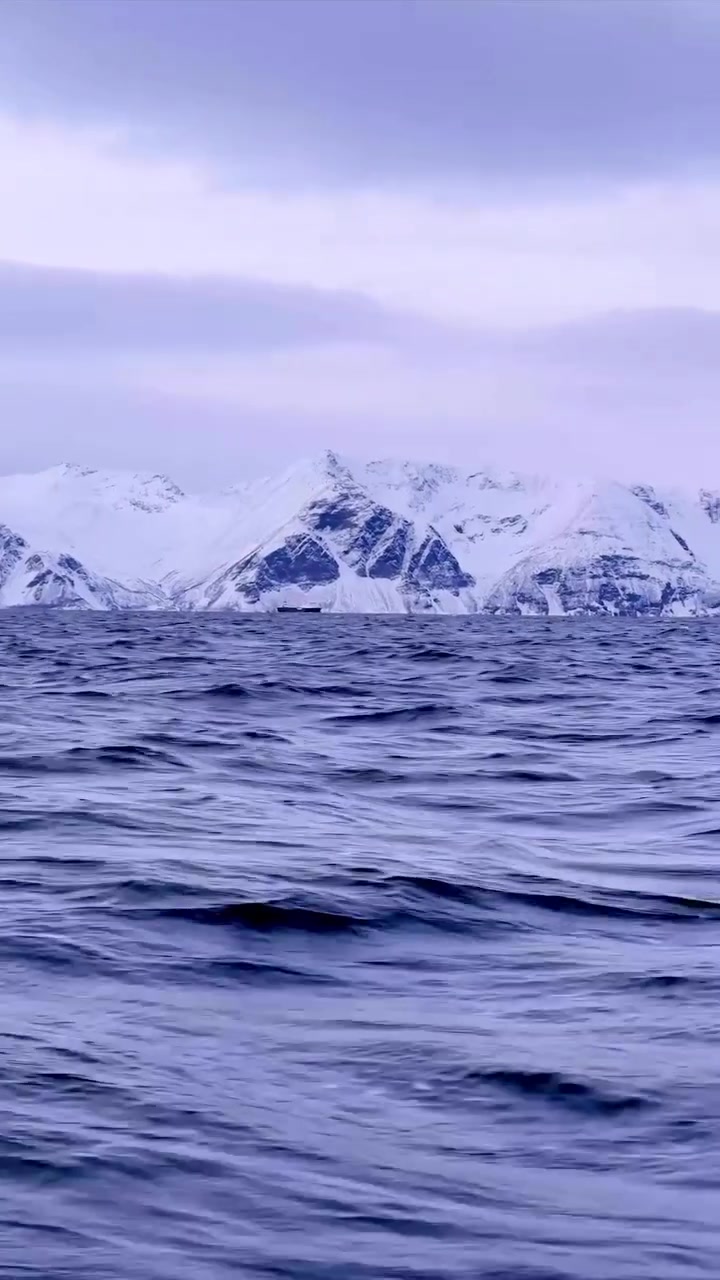
The winter of Northern Norway is a place where the sea and the skyline get intimate. The resulting encounter was The orca that surfaced right next to the whale-watching boat, a male orca breaching the waves. The gray-blue sea of Norway is a stage to the surreal encounter of an orca whale with a boat and the sublime beauty of the natural scenery.
Whale-watching in Norway
What’s it like to come face-to-face with an orca? In northern Norway, whale-watching tours offer a profound, raw experience with nature. This isn't a curated aquarium encounter. This is whales in their natural habitat, up close. Whale-watching tours here employ spotters experienced in monitoring orca behavior. The closer you get, the more you realize that an orca is a giant, agile, and almost intelligent creature. They often surface near the boat. This behavior leaves the viewers in a state of disbelief — the orca seems to take an interest in people, not to attack, but to have a social connection. The whale-watching season in Northern Norway takes place between September and December. The orca whales, also called "wild northern Norway killer whales, migrate to this region’s icy waters for feeding opportunities. The majestic creatures put on an awe-inspiring performance for the lucky spectators. Trained guides and detailed briefings before the tour teach essential safety protocol, communication for the experience, and leave the visitors in awe when the whales breach the surface.
The Northern Lights.
It’s a quintessential Norwegian experience. Whale-watching tours often combine with other adventures. The region's vastness adds to the thrill. Its beauty and wildlife draw vacationers who wish to explore the fjords, hike the mountains, and even see the northern lights, which are a unique phenomenon of Norway, where the sky can appear to dance. The whale-watching tour isn’t just about spotting whales — it merges land and sea experiences, incorporating the diverse wildlife and stunning landscapes of northern Norway. The ancient famed mountains provide the backdrop, and the contrasting green lights of the northern lights paint the sky. Norway is an orca’s world, The orca whale, also known as the killer whale, may be the biggest mammal that has ever lived. While whale-watching, you may encounter three different species of orcas.
Distinctive orca behavior
You don’t get to observe an orca in the wild in every part of the world. However, whale watching in Norway provides enough clues. The male orcas have a distinct dorsal fin. The dorsal fin makes the male orca distinct. The dorsal fin of the orca whale can stand up to two meters above the surface, making them easy to identify. It looks like glass, or a blade. Tour guides have a close encounter.
Orca etiquette
The Norwegian orca is called a gentle giant, but it does not mind human company. But from the point of view of the whale watchers, the orca is a showoff. The whale makes dramatic leaps, sometimes jumping 10 meters in the air. This behavior also appeared to the tour guides who were caught off guard. The whale appears to be a spectacle for them. They splash the water to the delight of the whale watchers. These sporadic behaviors leave the audience thrilled.
Fjord and mountain encounters
The contrast between the ocean and the mountain ranges is a northeast Norwegian trade mark. Winter fusing with the majestic mountains in a beautiful orca dance is also a north Norway trade mark. The orcas surfacing within a stone’s throw and the fjord and mountain backdrops blend into a surreal experience. This ornate dance is nature’s world.
The clearer the water, the better the viewing
The viewer feels the tension rise with every second as the whale comes up closer to the surface. The viewer sees the dorsal fin appear, sneaking up and disappearing again, playing with their emotions. The lack of clarity just adds to the thrill. The closer the whale gets, the brighter the visual is.
How to plan a whale-watching trip to Norway
Norway’s northern coast is a wild frontier. Here, the orca whales are majestic, and the backdrop is naturally picturesque. Planning a trip involves more than securing a spot. The season runs from September through December, so plan accordingly.
- Location: The ideal launch point is Tromsø, one of the most world-famous arctic cities. It's right in the middle of the Norwegian orca population.
- Timing: Timing your trip to coincide with the orca migration is essential. From September to December, the orcas are most active.
- Dressing: Whale-watching expeditions can be quite chilly, even if you are experienced at it. That’s because whales prefer icy waters to feed on seals.
- Packing: Pack waterproof clothing, including a jacket, pants, gloves, and boots. Bring binoculars for spotting orcas from a distance, and a camera with a good zoom lens to capture those up-close moments. Orca whales are the most playful of the whales. Their agility makes the watchers believe they are showoffs. Their majestic mass provides a visual spectacle as their body breaches the surface, making the viewer wish to see more of it. The contrast between the ocean and the fjord and mountain landscape makes the trip worthwhile.
Watch the Reel
Questions readers ask
What makes Norway's Arctic waters unique for orca sightings?
The Arctic waters of Northern Norway are unique for orca sightings because they offer a natural habitat for these whales, providing a unique chance to encounter orcas in their wild environment. The orcas migrate to this region for feeding opportunities, making it a prime spot for whale-watching tours. The region's icy waters and stunning landscapes add to the overall experience, making it a memorable encounter.
How do whale-watching tours in Norway ensure safety during encounters?
Whale-watching tours in Norway prioritize safety through trained guides and detailed briefings. Guides are experienced in monitoring orca behavior and teach essential safety protocols to visitors. This ensures that the encounter is both thrilling and safe, allowing visitors to appreciate the orcas up close without any risks.
What is the best time to go whale-watching in Norway for orca sightings?
The best time to go whale-watching in Norway for orca sightings is between September and December. During this period, orca whales migrate to the region's icy waters for feeding, making it an ideal time to spot these majestic creatures. The whale-watching season coincides with the orcas' natural migration patterns, increasing the chances of a successful sighting.
How do Norwegian orcas behave, especially around boats?
Norwegian orcas are known to surface near boats, often displaying curious and playful behavior. They may breach the waves, jump high into the air, and even seem to take an interest in people. This behavior is not aggressive but rather social, leaving viewers in a state of disbelief and awe at the orcas' agility and intelligence.
What other activities can you combine with whale-watching in Norway?
Whale-watching tours in Norway often combine with other adventures, such as exploring the fjords, hiking the mountains, and even seeing the northern lights. The region's vastness and diverse wildlife make it a perfect destination for a variety of outdoor activities, enhancing the overall experience. The combination of land and sea experiences creates a unique and memorable journey.
What makes the orca's dorsal fin so distinctive?
The orca's dorsal fin is particularly distinctive, especially in male orcas, which can stand up to two meters above the surface. This fin is often described as looking like glass or a blade, making it easy to identify. The unique shape and size of the dorsal fin are a key feature that tour guides use to spot and identify orcas during whale-watching tours.
How do the orcas interact with the whale-watching boats?
Orcas in Norway often interact with whale-watching boats in a playful and curious manner. They may breach the surface, jump high into the air, and even splash water, delighting the whale watchers. This behavior is not aggressive but rather a form of social interaction, making the encounter both thrilling and awe-inspiring for spectators.
Related deep dives
Similar reads based on topic and creator.


Recent articles
Fresh deep dives from the latest Reels we unpacked.



Comments
Be the first to comment.