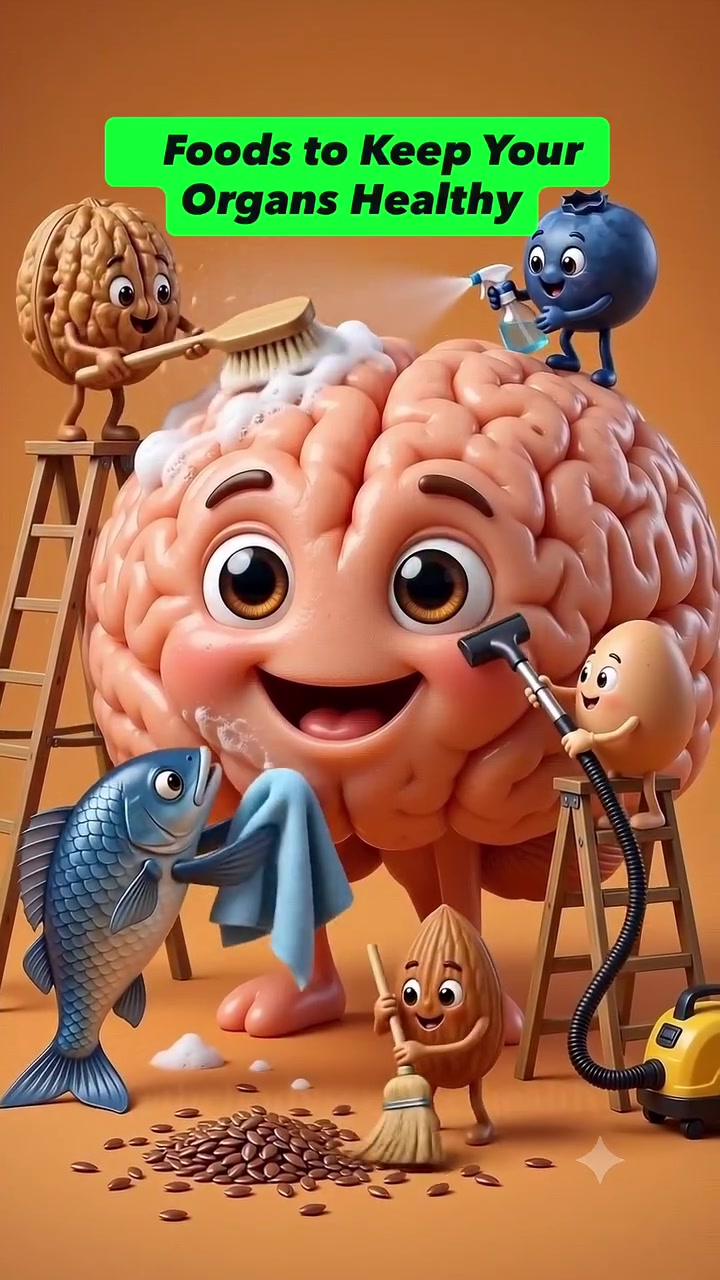
Healthy organs are the body’s engines—the vital pieces that keep us running. And it turns out, it's not just medicine and exercise that can help keep our organs in good working order. There's a profound role that food plays in protecting our organs.
The Body’s Kitchen Assistants
Eating well isn't just about having more energy or maintaining weight. Foods can contribute to organ health, nourishing and protecting your lungs, kidneys, brain, and heart. However, each organ requires different nutrients. There is no one-stop shop for body care—different foods link with specific organs. Walnuts relate to brain health, fish for the heart, and avocado supports the lungs. Your nourishment is your organ maintenance. Organs maintain the body’s intricate machinery. The brain governs thoughts and movements, the heart pumps blood (and life), the lungs do the job of breathing, and the kidneys filter waste out of the body. It turns out your organs are selective eaters, requiring different nutrients as fuel. Are you ready to dive into organ-specific diets?
The Edible Roadmap to Organ Health
Maintaining good health is key to longevity. Some argue that diet is the most important way to promote well-being. This is mirrored in the current well-being movement's emphasis on a diet as the No. 1 way to live longer. We already know about the toxicants, so aware consumers respond — choosing organic, limiting processed foods, and trying out vegan or plant-based diets. Consumers’ adoption of organic foods is growing at a rate of 15% each year. Best of all, we now recognize that a healthy diet isn't just a single thing — it's often a matter of eating the right specific foods.
It’s the Organs, Stupid
Eating well isn’t a blanket solution. So what if walnuts are good for the brain, but you already ate avocado — adding fish to your diet won't help. That’s because organs are tied to specific foods. Walnuts work through an amino acid, L-carnosine, to protect brain cells, which avocado can’t extract. Walnuts’ nutrients target the brain’s struggle with blood vessel elasticity. Fish is good for the heart as omega-3 fatty acids protect blood vessels from clogging. Avocado supports your respiratory system since its antioxidants do their magic reducing inflammation. Different organs need different nutrients. Why is this? There are two realities when it comes to food: the physical reality, which reveals the ways that nutrients enter our bodies, and the biological reality, which describes the ways that nutrients are absorbed. Charring broccoli and then processing it into an immune-boosting supplement may work for a plant, but it doesn’t replicate how the ingredients inside the plant interact when it’s consumed in a healthy way. Foods that promote organ health tend to rely on nutrient profiles that are relatively delicate—wasting foods' benefits by over-processing can actually break the elements that make them good for us.
Nuts and Bolts
Foods that keep organs healthy are designed with active ingredients that directly address your body’s needs. Take walnuts (which are made up of a carbohydrate and amino acid blend that helps protect the brain’s neurons). avocado when consumed as whole food is high in fiber and good fat, while also reducing inflammation. Fish is rich in omega-3 fatty acids. . These foods protect the heart because they promote blood vessel flexibility.
Teething Issues
Nutrient supplements can’t exactly replicate the health benefits of whole food. The amount of active nutrients it contains is far more than what a pill can contain. That’s because the nutrient profile of whole foods is so complex. Can’t do without walnuts? “You’re good eating walnut protein powder,” says Dr. Mark Hughes. But the protein isn’t the only nutrient walnuts provide. Yes, walnuts are rich in L-carnosine, which helps protect brain cells. Walnuts contain Omega fatty acids that don’t appear in powder form. When we extract nutrients from food, we often remove or negate components that make them a healthy choice.
Diet Demystification
We’re used to viewing dietary needs through a general lens. But organ-specific diets are the next frontier. Kidneys need antioxidants. Avocados and fish provide essential vitamins and minerals that help the body detoxify. However, the 90s emphasis on total calories is outdated. Picture a food pyramid with a different recommendation for each category: fruits, vegetables, oats, etc. That’s basically it, but this time it’s each organ as the categories (brain, heart, lungs, and kidney). It gets more detailed, too.
You Are What You Eat
If you’d like to promote organ health through diet, you want to focus on organ-specific nutrients. Your next trip to the grocery store won’t look like your current one. You might need a keen eye for details of your body to navigate the aisles. The good news is that organ-specific diets are fairly easy to adopt. Here are some tips on what to focus on:
- Walnuts: Walnuts are rich in Omega-3 fatty acids. The nutrient you want is L-carnosine, which helps cleanse brain cell membranes and keep them healthy. You can definitely mix walnuts in your salads or blend them with other seeds together. Eat about a quarter cup or 30 grams of walnuts a day.
- Fish: Going out for seafood is all in the name. Fish is a great source of omega-3 fatty acids, which the American Heart Association found helps to reduce heart issues.
- Avocado: Avocados are high in antioxidants. They have been designed by nature to help fight respiratory infections and other illness. Avocados contain a complex set of nutrients that make them one of the healthiest foods on the planet. Vegetables are not the same as fruits, and fruits are not the same as nuts. Your kidneys need different nutrients than your lungs.
Your Edible Medicine Chest
Food isn’t just an enjoyable aspect of life — it’s a key element in keeping our organs in good working order. The 1990s focus on overall carbohydrates and fats was outdated. Today we recognize that each organ has its own needs. Focus on those needs. Do that and you’re well on your way to a nutritious future.
Watch the Reel
Questions readers ask
What specific nutrients in walnuts make them beneficial for the brain?
Walnuts are packed with an amino acid called L-carnosine, which helps protect brain cells. Additionally, the nutrients in walnuts target blood vessel elasticity, which is crucial for maintaining brain health.
How does fish consumption benefit the heart?
Fish contains omega-3 fatty acids, which are essential for protecting blood vessels from clogging. This makes fish a great choice for maintaining heart health.
What makes avocado a good choice for lung health?
Avocados are rich in antioxidants, which help reduce inflammation in the respiratory system. This makes them a beneficial food for supporting lung health.
Why is it important to eat specific foods for different organs rather than just having a general healthy diet?
Different organs require different nutrients to function optimally. For example, walnuts provide specific nutrients for the brain, while fish is better for the heart. Eating a variety of these foods ensures that each organ gets the nutrients it needs.
Can over-processing foods like broccoli reduce their health benefits?
Yes, over-processing can break down the delicate nutrient profiles that make foods beneficial for our organs. For instance, charring and processing broccoli into a supplement might not replicate the health benefits of eating it in its natural, whole form.
Related deep dives
Similar reads based on topic and creator.

Recent articles
Fresh deep dives from the latest Reels we unpacked.




Comments
Be the first to comment.