OpenAI's Internal Memo: A Deep Dive into the Rivalry with Anthropic
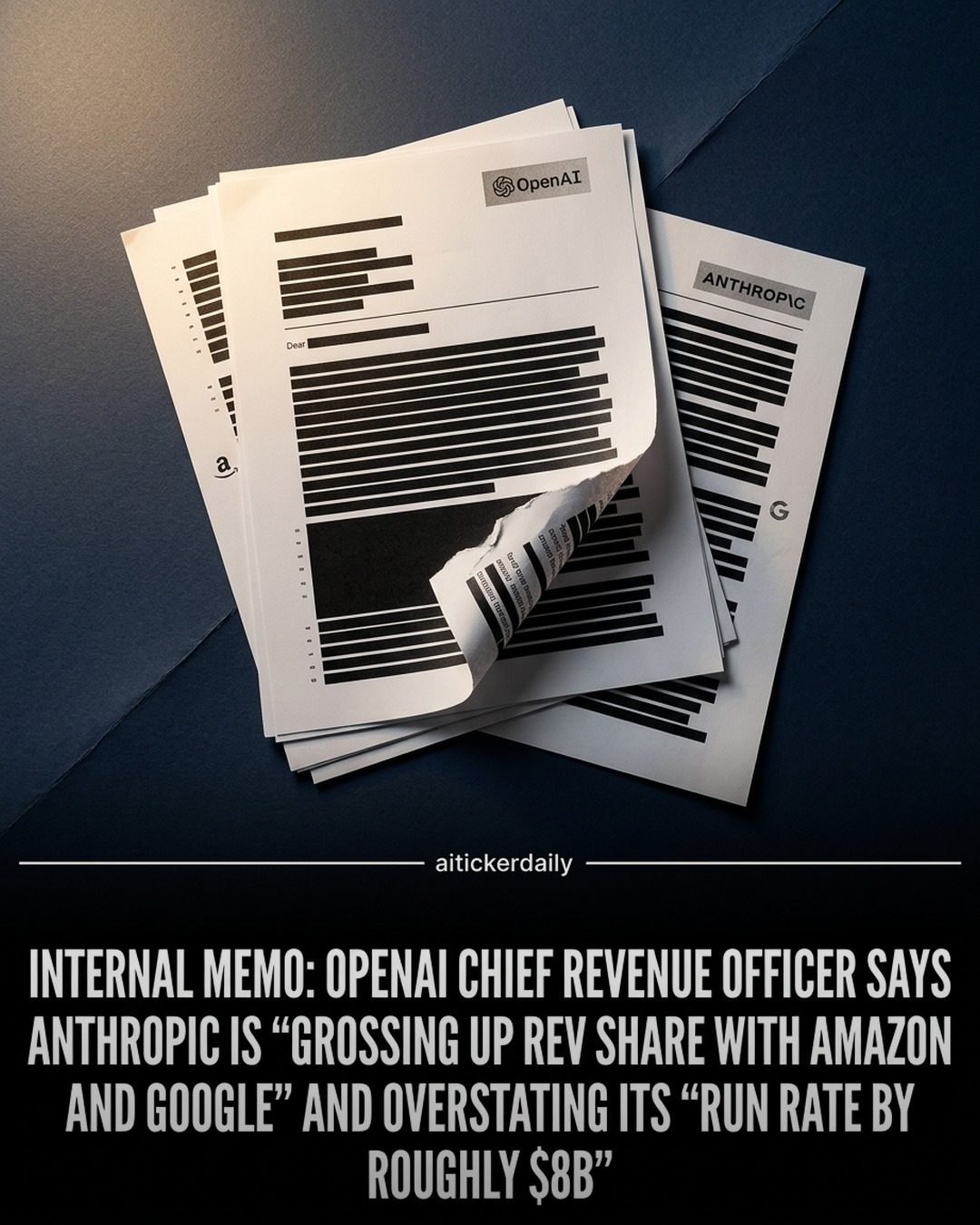
The recent leaking of an internal memo from OpenAI's chief revenue officer, Denise Dresser, has ignited a fiery debate in the tech industry. The memo, which highlights the intensifying competition with Anthropic, alleges that Anthropic is inflating its revenue share with tech giants Amazon and Google, and overstating its revenue run rate by roughly $8 billion.
This revelation sheds light on the fierce rivalry between the two AI labs, which are not only competing in the market but also vying for the same enterprise resources and partnerships. This dynamic has significant implications for investors, finance teams, and vendor relations as both labs navigate the competitive landscape.
This memo frames the competition in a way that investors and other stakeholders may consider when evaluating the two labs. Understanding the nuanced claims within the memo can help clarify the core issues. Here's a deep dive into the key points that emerged from the memo and what they mean for the industry.
Why This Matters
OpenAI and Anthropic are two of the most prominent AI labs in the world, each with ambitious goals and significant backing. The rivalry between them is not just about market share; it's about technological prowess, innovation, and strategic partnerships.
The allegations made by OpenAI add layers to the competition, suggesting a broader narrative around transparency, trust, and the metrics used to evaluate AI labs. Investors, finance teams, and vendor relations teams are all paying close attention to these developments, as they can significantly impact future partnerships, investments, and strategic decisions.
The Allegations: Grossing Up Revenue and Overstating Run Rate
The memo from OpenAI's chief revenue officer outlines two main allegations against Anthropic. Firstly, it suggests that Anthropic is "grossing up" its revenue share with Amazon and Google, implying that the reported figures are inflated and do not reflect the actual revenue generated. Secondly, the memo claims that Anthropic is overstating its "run rate" by roughly $8 billion. This term, "run rate," typically refers to the expected annual revenue based on current performance and is a crucial metric for investors and stakeholders. Overstating the run rate can create a misleading picture of a company's financial health and growth prospects.
The Implications for Investors and Stakeholders
The implications of these allegations are far-reaching. Investors and stakeholders rely on accurate financial information to make informed decisions. If the claims hold up under scrutiny, they could reframe how investors compare the two labs, particularly in terms of:
Partner Economics
The rivalry between OpenAI and Anthropic extends beyond financial figures to the economics of partnerships. Both labs are courting the same hyperscaler shelves and enterprise RFPs, making it crucial for investors to understand the dynamics of these partnerships. The memo's allegations suggest that the economics of these partnerships may be more complex than they appear on the surface, with potential implications for long-term viability and profitability.
Ramp Narratives
Ramp narratives refer to the stories companies tell about their growth trajectories. OpenAI’s memo alleges that Anthropic is presenting a more appealing growth curve through inflated figures, which can sway investor sentiment. In reality, disciplined capacity math versus optics-friendly growth curves are at play here. Investors and stakeholders need to distinguish between the two to make informed decisions about their investments.
What ‘Run Rate’ Means
The term 'run rate' is critical in this context. It represents the expected annual revenue based on current performance and is a key metric for evaluating the financial health and growth potential of a company. Overstating the run rate can lead to inflated expectations and may result in significant setbacks if the actual figures do not meet the projected numbers. This could have a domino effect on investor confidence, partnerships, and strategic decisions.
The Fight for Hyperscaler Shelves and Enterprise RFPs
Investors and vendor relations teams are paying close attention to the rivalry between OpenAI and Anthropic. The memo suggests that when trillion-dollar lab stories collide, finance and vendor teams hear the fight twice: once in product launches and once in how each side numbers the same cloud and distribution story. This dynamic is crucial for understanding the broader implications of the rivalry and its impact on the industry.
Practical Tips for Investors and Stakeholders
Given the complex nature of the allegations and their implications, it's essential for investors and stakeholders to stay informed and vigilant. Here are some practical tips to help navigate this competitive landscape:
Conduct Thorough Due Diligence
Before making any investment decisions, conduct thorough due diligence on both OpenAI and Anthropic. This includes examining their financial statements, partnership agreements, and market performance. Look for inconsistencies or red flags that may indicate overstated figures or financial misrepresentation.
Stay Updated on Industry Developments
Keeping abreast of the latest industry developments and news is crucial for understanding the competitive dynamics between OpenAI and Anthropic. Follow reliable sources, attend industry conferences, and engage with experts to gain insights into the latest trends and developments.
Engage with Both Labs
Direct engagement with both labs can provide valuable insights into their operations, financial health, and growth prospects. Attend product launches, participate in webinars, and engage with company representatives to gather firsthand information and ask pertinent questions.
Evaluate Metrics and Narratives
When evaluating the financial health and growth prospects of OpenAI and Anthropic, pay close attention to the metrics and narratives. Distinguish between disciplined capacity math and optics-friendly growth curves, and scrutinize the run rate and revenue share figures to ensure they are accurate and reliable.
Important Takeaways
The allegations made in the OpenAI memo have significant implications for the industry, particularly for investors, finance teams, and vendor relations. The following takeaways can guide stakeholders as they navigate this competitive landscape:
Vigilance is Key
Vigilance is crucial in the fast-moving world of AI and tech. Staying informed, conducting thorough due diligence, and engaging with both labs can provide valuable insights and help mitigate risks.
Transparency Matters
Transparency in financial reporting and partner economics is essential for building trust and credibility. Investors and stakeholders should scrutinize the metrics and narratives presented by both labs to ensure they are accurate and reliable.
Metrics and Narratives Should Be Evaluated Carefully
Metrics and narratives play a crucial role in evaluating the financial health and growth prospects of AI labs. Investors and stakeholders should distinguish between disciplined capacity math and optics-friendly growth curves, and scrutinize the run rate and revenue share figures.
Conclusion
The allegations made in OpenAI’s internal memo have far-reaching implications for the AI industry, particularly for investors, finance teams, and vendor relations. The claims about Anthropic's revenue figures and run rate add layers to the competitive narrative, highlighting the importance of transparency, trust, and accurate financial reporting.
As the rivalry between OpenAI and Anthropic continues to unfold, it is crucial for stakeholders to stay informed, vigilant, and engaged. By conducting thorough due diligence, staying updated on industry developments, and carefully evaluating metrics and narratives, investors and stakeholders can make informed decisions that align with their strategic goals and risk tolerance.
The competitive landscape of the AI industry is dynamic and ever-evolving. By understanding the nuances of the rivalry between OpenAI and Anthropic and staying informed, stakeholders can navigate this complex terrain with confidence and precision.
Watch the Reel
Questions readers ask
What are the main allegations made by OpenAI against Anthropic?
OpenAI has accused Anthropic of inflating its revenue by approximately $8 billion. Specifically, OpenAI claims that Anthropic is overstating its revenue share with major tech giants like Amazon and Google.
Who leaked the internal memo from OpenAI?
The memo was leaked by OpenAI's chief revenue officer, Denise Dresser. It highlights the intensifying rivalry and competition between OpenAI and Anthropic.
What impact has this memo had on the tech industry?
The leaked memo has ignited a fiery debate and impacted various aspects of the tech industry, including investor decisions, vendor relations, and the broader AI landscape. There are concerns that these claims could affect market share and enterprise resources.
What are the key implications of the rivalry between OpenAI and Anthropic for investors and finance teams?
The rivalry between these AI labs can influence investor confidence and decisions. Investors and finance teams need to carefully evaluate the claims and counterclaims to make informed decisions. This dynamic may also affect vendor and partnerships as both companies vie for the same resources and enterprise support.
What are the primary resources that OpenAI and Anthropic are competing for?
Both AI labs are competing for enterprise resources, as well as key partnerships with tech giants like Amazon and Google. These resources and collaborations are crucial for maintaining and expanding market share. The competition for these resources has significant implications for each company's growth and success in the AI industry.
How has the allegations impacted the broader AI landscape?
The allegations have sparked industry debate and could potentially reshape the AI landscape. Tech giants and investors may reevaluate their strategies and partnerships in light of these claims, leading to shifts in market dynamics and industry alliances.
Related deep dives
Similar reads based on topic and creator.




Recent articles
Fresh deep dives from the latest Reels we unpacked.




Comments
Be the first to comment.