OpenAI Employee Concerns
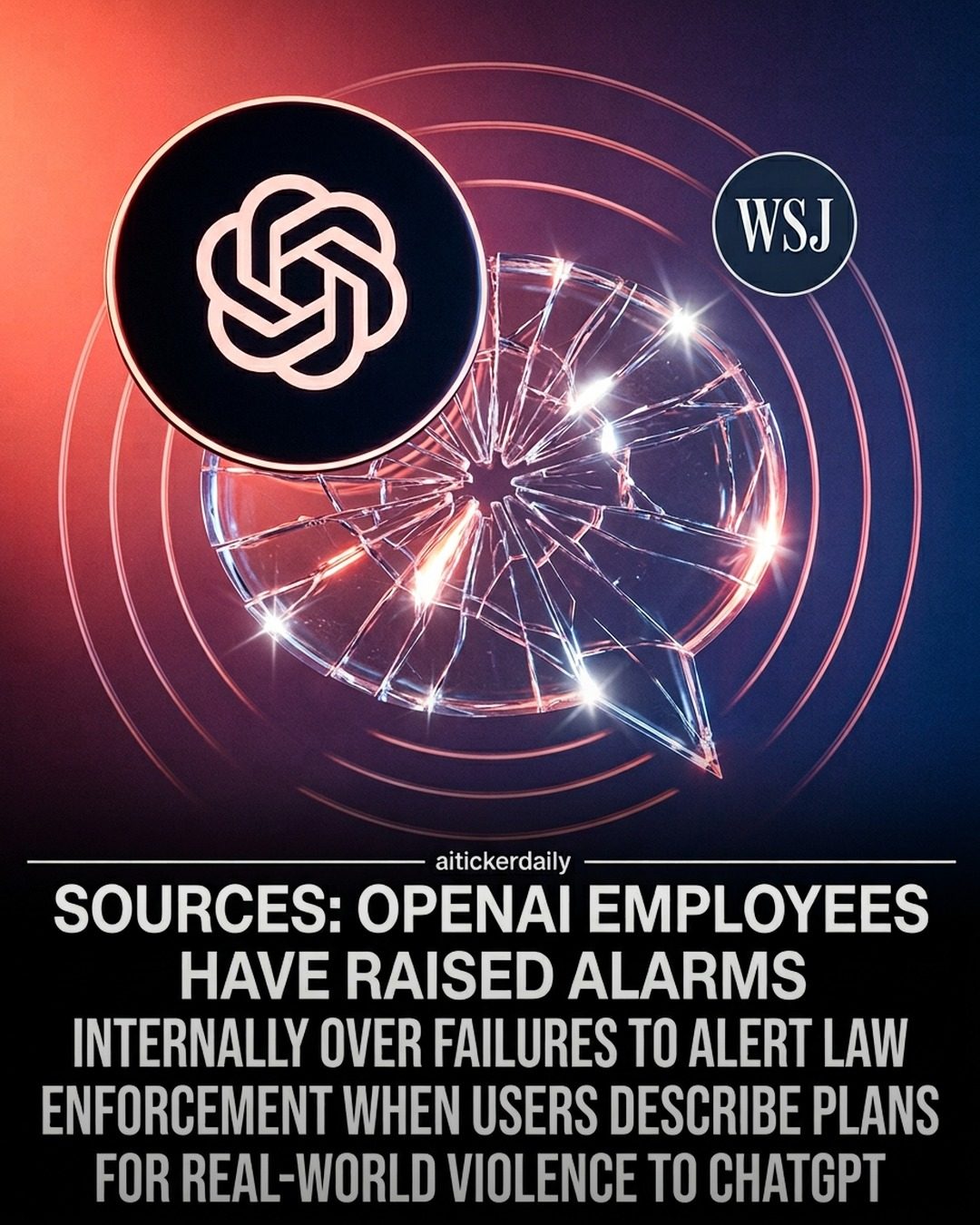
OpenAI employees have recently raised significant concerns internally about the company's handling of user-generated violent content within its popular chatbot, ChatGPT. These concerns center around the consistent escalation of such incidents to law enforcement and how these policies are documented, logged, and communicated. This debate highlights the delicate balance between user privacy, platform intervention, and mandatory reporting.
Why This Matters
The issues at hand are crucial for several reasons. Firstly, the escalation of user-generated violent content to law enforcement is a matter of public safety. Secondly, how companies like OpenAI handle these incidents can significantly impact buyer trust and liability. Lastly, the debate around escalation policies, logging, and transparency is relevant to any enterprise deploying AI assistants in sensitive workflows. Understanding these concerns and the broader implications is vital for anyone involved in AI development, deployment, or regulation.
The Debate on Escalation
User-Generated Violence and Platform Intervention
OpenAI's chatbot, ChatGPT, has been used by users to discuss and role-play violent scenarios, including mass shootings. This has raised alarms among employees about the company's escalation policies. The main concern is whether OpenAI consistently alerts law enforcement when users describe real-world violence.
The intersection of safety operations, legal exposure, and brand risk is at the heart of this debate. When harmful ideation surfaces in massive volumes, platforms like OpenAI must grapple with how to handle these situations effectively.
Escalation Policies and Logging
Scrutiny has landed on OpenAI's escalation policies, logging practices, and transparency following violent incidents. The company's ability to document escalation paths and ensure auditability is crucial. This includes mapping internal review workflows to vendor commitments on crisis signals and downstream reporting.
Buyer Trust and Liability
OpenAI's handling of violent content is about more than just user safety; it's also about buyer trust and liability. Enterprises that deploy AI assistants in sensitive workflows must ensure that these tools can handle harmful content appropriately. This includes having documented escalation paths and being transparent about how these paths are audited.
The Importance of Policy Updates
Legal and Regulatory Compliance
The debate around escalation policies, logging, and transparency is not just an internal concern for OpenAI. It's also a matter of legal and regulatory compliance. Violent incidents can draw regulatory and press attention, making it crucial for companies to have robust policies in place.
Partner Commitments and Transparency
Partnerships and vendor commitments are also under scrutiny. Enterprises deploying AI assistants should ensure that their partners have clear policies around crisis signals and downstream reporting. This includes coordination with authorities and having clear service level agreements (SLAs) around abuse handling.
Practical Tips
For enterprises deploying AI assistants, here are some practical tips to consider:
Define Clear Escalation Paths
Have clear and documented escalation paths for handling harmful content. These paths should be communicated to all stakeholders, including employees, partners, and authorities.
Ensure Auditability
Ensure that your escalation paths are auditable. This includes keeping detailed logs of all incidents and how they were handled.
Transparency
Be transparent about your policies and how you handle harmful content. This includes being open with your users, partners, and authorities about your escalation paths and auditability.
Coordination with Authorities
Have clear coordination protocols with law enforcement and other authorities. This includes knowing when and how to escalate incidents to the appropriate authorities. Policy updates and coordination with authorities are vital for maintaining trust and compliance.
Important Takeaways
The concerns raised by OpenAI employees highlight the complex balance between user privacy, platform intervention, and mandatory reporting. For enterprises deploying AI assistants, these issues are not just about the effectiveness of the technology but also about governance, safety, and legal compliance.
Conclusion
The concerns raised by OpenAI employees about the handling of violent content in ChatGPT underscore the broader issues of escalation policies, logging, and transparency. For companies deploying AI assistants, these issues are not just about technology but also about governance, safety, and legal compliance. Maintaining a balance between user privacy, platform intervention, and mandatory reporting is crucial. This includes having clear escalation paths, ensuring auditability, and being transparent about your policies and practices. As AI continues to evolve, these issues will only become more relevant, making it crucial for enterprises to stay informed and adaptable.
Watch the Reel
Questions readers ask
How does OpenAI currently handle reports of violent content on ChatGPT?
OpenAI has protocols in place to address violent content reported on ChatGPT. These protocols include escalation to law enforcement in certain cases, which has sparked internal debate among employees about the balance between user privacy and platform safety.
What are the main concerns raised by OpenAI employees regarding violent content reporting?
OpenAI employees are primarily concerned about the consistent escalation of violent content incidents to law enforcement and the transparency of these policies. They question how these incidents are documented, logged, and communicated, both internally and to users. They also raise issues of user privacy and the possible overreach of AI in sensitive areas.
Why is the escalation of violent content to law enforcement a contentious issue?
The escalation of violent content to law enforcement is contentious because it involves balancing public safety with user privacy. Employees worry that OpenAI's current practices may infringe on user privacy and could potentially lead to misuse or misunderstanding of the data reported to authorities. There are also questions about how much transparency is appropriate in these situations.
How does OpenAI's handling of violent content impact user trust and liability?
OpenAI's policies on violent content can significantly influence user trust. If users perceive that their privacy is not being respected or that the platform is overstepping, it could erode trust. Conversely, if OpenAI is seen as not taking violent content seriously enough, it could face legal and reputational issues. The company must navigate these challenges carefully to maintain a safe and trustworthy environment for users.
What steps can users take if they encounter violent content on AI platforms like ChatGPT?
Users who encounter violent content on AI platforms like ChatGPT should use the platform’s reporting tools to flag the content. If the issue is not resolved or if users feel it is urgent, they might consider reaching out to the company directly. However, it is important to note that the specific procedures and responses may vary depending on the platform's policies and the severity of the content.
What implications does this debate have for the broader deployment of AI in sensitive areas?
The debate at OpenAI highlights the need for clear and transparent policies in AI deployment, especially in sensitive areas. It underscores the importance of balancing user privacy, platform safety, and legal responsibilities. As AI becomes more integrated into various aspects of life, these considerations will become increasingly critical for maintaining public trust and ensuring responsible AI use.
How might OpenAI's policies on violent content affect its AI development and deployment processes?
OpenAI's policies on violent content could influence its AI development and deployment processes by necessitating more robust content filtering systems and clearer guidelines for content moderation. These changes could involve enhancing AI algorithms to better detect and handle violent content, as well as improving transparency and user communication about how these issues are managed. These steps could lead to more responsible and trustworthy AI deployment in the future.
Related deep dives
Similar reads based on topic and creator.




Recent articles
Fresh deep dives from the latest Reels we unpacked.




Comments
Be the first to comment.