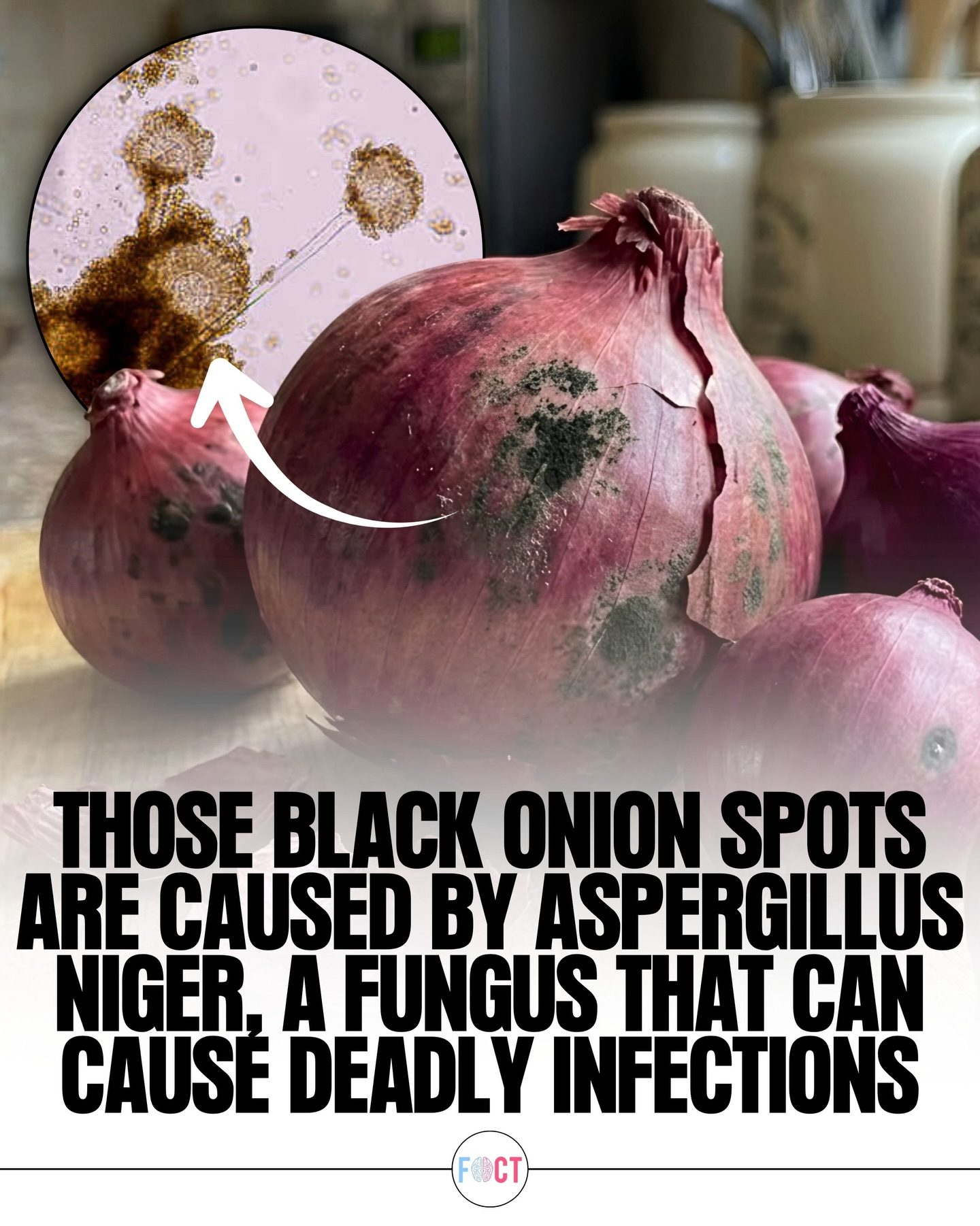
Black spots on onions are caused by Aspergillus niger, a fungus that can be dangerous to humans.
Onions are a staple in many kitchens and are used in a wide variety of dishes. Whether you’re slicing them for a salad, sautéing them for a stir-fry, or layering them in a hearty soup, onions add depth of flavor to almost any recipe. However, it's important to be aware of potential hazards that can come with these versatile vegetables. Black spots on onions are often a sign of Aspergillus niger, a fungus that can be more than just an unsightly blemish.
Why This Matters
Aspergillus niger is a mold that produces spores, which grow between the onion’s outer dry skin and fleshy scales. These spores can appear as powdery black streaks along the onion’s veins. While these spots might seem like a mere cosmetic issue, the fungus can pose serious health risks, especially to vulnerable individuals.
Understanding Aspergillus niger
The Fungus and Its Effects
Aspergillus niger is a common mold found in soil, air, and decaying plant matter. It is one of the most prevalent species of Aspergillus, a genus of fungi that includes more than 200 identified species. While many Aspergillus species are relatively harmless, Aspergillus niger can be problematic, especially for those with weakened immune systems.
How It Affects Humans
When inhaled, the spores of Aspergillus niger can lead to a condition known as aspergillosis. This infection can affect various organs, primarily the lungs, and in severe cases, it can spread to other parts of the body, including the kidneys and brain. Aspergillosis is particularly dangerous for individuals with compromised immune systems, such as those undergoing chemotherapy, organ transplant recipients, or individuals with HIV/AIDS. Symptoms of aspergillosis can range from mild respiratory issues to life-threatening illness.
The Role of Mold in Onions
The mold that grows on onions thrives in damp, warm environments, making improperly stored onions a breeding ground. The spores can penetrate the onion and spread quickly, making it difficult to detect. Once the fungus has taken hold, it can produce mycotoxins, which are poisonous substances produced by certain molds that can be harmful to humans when ingested.
Identifying and Addressing Fungal Growth
How to Spot the Signs
The first step in avoiding the risks associated with Aspergillus niger is learning to recognize the signs of fungal growth on onions. Black spots, powdery streaks, and a musty smell are all indicators that the onion has been affected by mold. If you notice any of these signs, it's best to discard the onion to prevent potential health issues.
Proper Storage Techniques
To minimize the risk of fungal growth on onions, proper storage is crucial. Here are some tips to keep your onions fresh and safe:
- Store Dry: Ensure onions are completely dry before storing them. Moisture can encourage mold growth.
- Cool and Dark: Store onions in a cool, dark, and dry place, such as a basement or pantry. Avoid storing them in the refrigerator, as the moisture can accelerate spoilage.
- Ventilated: Use a container with good ventilation to allow for airflow. A mesh bag or a basket with holes works well.
- Avoid Plastic: Avoid storing onions in plastic bags or containers, as these can trap moisture and accelerate mold growth.
Practical Tips
When to Worry
If you notice black spots on an onion, it's important to take immediate action. Here are some steps to follow:
- Inspect Thoroughly: Check the onion for any signs of mold. If the spots are minimal and only on the outer layer, you can carefully cut away the affected areas and use the rest of the onion. However, if the mold has penetrated deeper, it's safer to discard the entire onion.
- Wash Before Use: Always wash onions thoroughly before cutting or cooking. This helps remove any spores that may be present on the surface.
Keeping Your Kitchen Safe
To maintain a safe and healthy kitchen environment, follow these guidelines:
- Clean Regularly: Keep your kitchen clean, especially areas where onions and other produce are stored. Regularly wipe down surfaces with a mild detergent or vinegar solution to remove any potential mold spores.
- Use Fresh Produce: Always use fresh, unblemished produce. Avoid buying onions that show signs of mold or decay, as this can spread to other produce.
- Grade Your Produce: Sort your produce. Place onions that are not in the best shape at the bottom of the bin, and use them before the fresher-looking ones.
- No Cross Contamination: Store onions and other produce separately to prevent cross-contamination. Use separate containers or baskets for different types of produce, and wash your hands after handling any produce that shows signs of mold.
Important Takeaways
Aspergillus niger is a fungus that can cause serious health issues, especially for vulnerable individuals. Black spots on onions are a clear sign of this fungus, and it's important to take precautions to avoid potential infections. By following proper storage techniques and thoroughly inspecting your onions, you can minimize the risk of fungal growth and keep your kitchen safe.
Conclusion
At first glance, black spots on onions might seem like a minor issue, but understanding the underlying cause and potential risks is essential. Aspergillus niger is a mold that can lead to serious health problems, particularly for those with weakened immune systems. By taking simple precautions and following proper storage and handling techniques, you can minimize the risk of infection and ensure the safety of your food.
Always remember to discard any onions that show signs of mold, and if you have any concerns about your health, consult a healthcare professional for advice.
Watch the Reel
Questions readers ask
What are the signs of Aspergillus niger on onions?
Look for black spots or powdery black streaks along the onion’s veins. These are clear indicators of Aspergillus niger fungus. The spots often appear between the onion’s outer dry skin and the fleshy scales, and these spores can grow and spread over time.
Who is most at risk from Aspergillus niger infections?
People with compromised immune systems are most at risk. While Aspergillus niger can affect anyone, those with weakened immune systems are more susceptible to infections and should avoid contact with the fungus.
How can I prevent Aspergillus niger from growing on my onions?
Store onions in a cool, dry, and well-ventilated area. Avoid high humidity and moisture as these conditions promote fungal growth. Additionally, do not store onions near ethylene-producing fruits as these can accelerate spoilage.
Can Aspergillus niger be removed from onions?
Once Aspergillus niger has taken hold, it can be difficult to remove entirely. Cutting away affected areas can help, but it's best to discard onions with significant mold growth. Washing onions with vinegar or hydrogen peroxide can prevent the spread of spores, but it is not guaranteed to remove all traces of the fungus.
What should I do if I suspect Aspergillus niger on my onions?
Inspect the onions thoroughly. If you find black spots or streaks, discard the affected onions. If you've already handled the onions, wash your hands carefully. If you're concerned about potential exposure, consult a healthcare professional, especially if you have a weakened immune system.
Can Aspergillus niger infect other foods besides onions?
Aspergillus niger can infect a variety of foods besides onions. It commonly grows on fruits, vegetables, and grains. Proper food storage and handling practices are essential to prevent this mold from spreading and causing contamination.
How can I safely store onions to prevent fungus growth?
Keep onions in a single layer in a dark, dry, and cool place. Ensure good air circulation to prevent moisture buildup. Avoid storing onions in plastic bags or sealed containers, as this can trap moisture and promote fungal growth.
Related deep dives
Similar reads based on topic and creator.

Recent articles
Fresh deep dives from the latest Reels we unpacked.




Comments
Be the first to comment.