The Advancements of Robotic Hand Technology
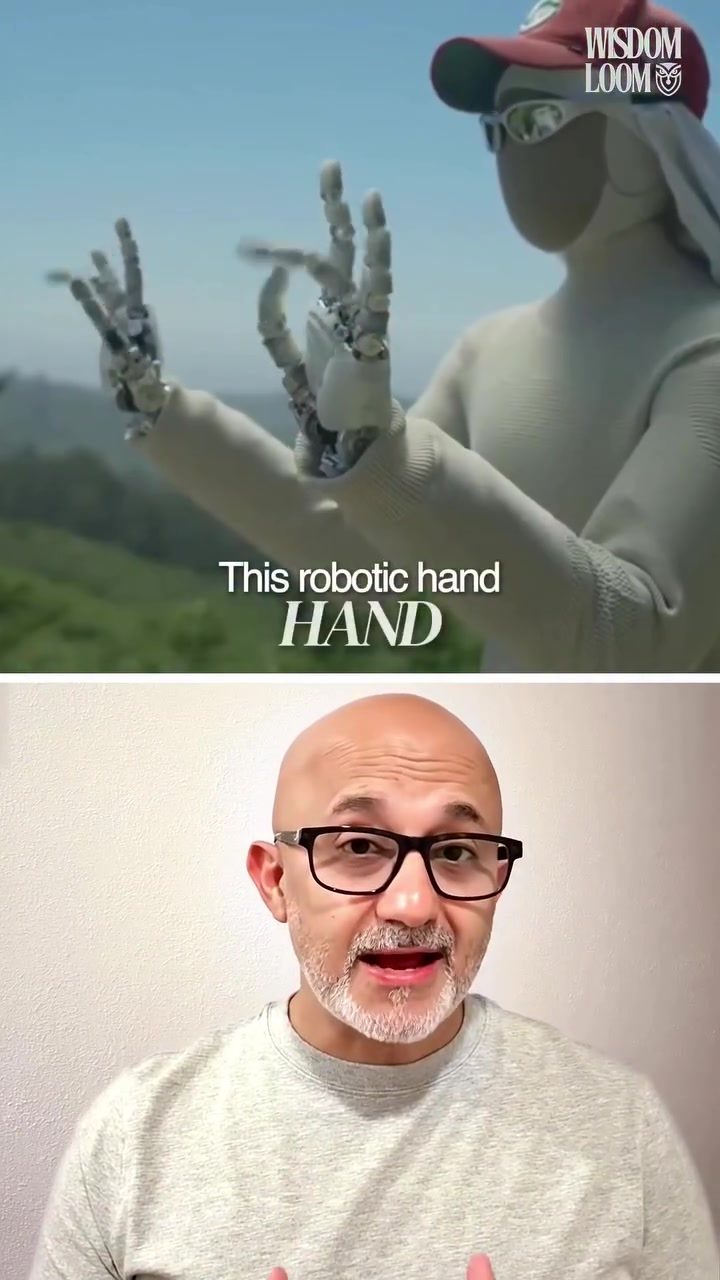
Robotic hands are becoming increasingly sophisticated, mimicking the complexity of human hands and addressing longstanding challenges in robotics. These advancements are brought to the forefront by companies like OneX, which have developed robotic hands with remarkable dexterity and precision.
Why This Matters
The evolution of robotic hands is a critical step in the broader field of robotics, as it addresses one of the most significant challenges: dexterity. Robotic hands have traditionally lagged behind human hands in terms of flexibility and precision, which has limited their usefulness in complex tasks. This technology aims to bridge that gap, enabling robots to perform delicate and precise movements, thus expanding their potential applications.
Main Discussion
The Complexity of the Human Hand
The human hand is a marvel of evolution, equipped with over 20 degrees of freedom and thousands of touch receptors. This complexity allows humans to perform a wide range of tasks with ease, from zipping a jacket to picking up a grape without crushing it. Robotic hands have historically struggled to replicate this level of dexterity, which has been a significant barrier to their widespread use in everyday tasks.
The Innovations of OneX
OneX has made significant strides in addressing this challenge. Their robotic hand design features 25 degrees of freedom, allowing each finger to move independently, much like a human hand. This design is inspired by human anatomy, with motors sitting inside the forearm and pulling artificial tendons. This tendon-driven approach makes the hand lighter, faster, and more precise than traditional designs that place heavy motors inside the fingers.
Key Features of the Robotic Hand
The OneX robotic hand incorporates several key features that set it apart from its predecessors:
- Degrees of Freedom: With 25 degrees of freedom, each finger can move independently, allowing for a wide range of movements and greater flexibility.
- Tendon-Driven Design: Inspired by human anatomy, the hand uses motors in the forearm to pull artificial tendons, making it lighter and more efficient.
- Pressure Sensing: The hand can detect pressure and adjust its grip in real-time. This enables it to handle delicate objects without damaging them.
- Adaptive Grip: The hand's ability to sense and respond to pressure allows it to adapt its grip to different objects, making it versatile for various tasks.
Practical Tips
When considering the use of robotic hands, especially those designed for intricate tasks, keep the following tips in mind:
Choosing the Right Hand
Look for robotic hands that mimic human anatomy, as they are more likely to replicate the necessary dexterity. Pay attention to the degrees of freedom, pressure sensing capabilities, and the overall design to ensure it meets your specific needs.
Integrating with AI
The combination of advanced robotic hands and AI can lead to innovative applications. Ensure that the robotic hand you choose is compatible with your AI systems for seamless integration.
Testing and Calibration
Before deploying the robotic hand in critical tasks, conduct thorough testing and calibration. This will ensure optimal performance and minimize the risk of errors.
Maintenance and Updates
Regular maintenance and updates are crucial to keep the robotic hand in good working condition. Follow the manufacturer's guidelines for maintenance and stay updated with the latest firmware and software updates.
Important Takeaways
The advancements in robotic hand technology, as demonstrated by OneX, represent a significant step forward in the field of robotics. These hands, with their 25 degrees of freedom, tendon-driven design, pressure sensing, and adaptive grip, are paving the way for more sophisticated and versatile robotic applications. As this technology continues to evolve, it will likely find widespread use in various industries, from manufacturing to healthcare.
Conclusion
The future of robotic hands looks promising, with companies like OneX leading the way in developing hands that can perform delicate and precise tasks. As we continue to refine and advance this technology, the potential applications are vast and exciting. Whether it's in manufacturing, healthcare, or everyday tasks, the evolution of robotic hands is set to revolutionize the way we interact with and rely on robots.
Watch the Reel
Questions readers ask
What does 'degrees of freedom' mean in the context of robotic hands?
Degrees of freedom refer to the number of ways a robotic hand can move. Each degree allows for a specific type of motion, like rotating a finger or bending a wrist. The more degrees of freedom, the more human-like the movements can be, allowing for greater dexterity and precision in tasks.
How does OneX's robotic hand mimic human hand movements?
OneX's robotic hand mimics human hand movements by incorporating 25 degrees of freedom. This allows it to perform a wide range of motions similar to a human hand, such as gripping, pinching, and delicate manipulations, making it well-suited for complex tasks that require fine motor skills.
What are the advantages of a robotic hand with high degrees of freedom?
A robotic hand with high degrees of freedom, like OneX's, offers greater flexibility and precision in movements. This enables the hand to perform intricate tasks, such as handling delicate objects or manipulating tools, which was previously challenging for robots.
How does the advancement of robotic hand technology benefit various industries?
The advancement of robotic hand technology benefits industries such as manufacturing, healthcare, and research by enabling robots to perform more complex and precise tasks. This can lead to increased efficiency, improved safety, and the ability to handle tasks that were previously impossible for robots.
What are some of the complex tasks that OneX's robotic hand can perform?
OneX's robotic hand can perform a variety of complex tasks, including delicate manipulations, precise gripping, and intricate movements. This includes tasks such as handling fragile objects, assembling small components, or even performing surgical procedures with high precision.
How does hand anatomy influence the design of robotic hands?
Hand anatomy significantly influences the design of robotic hands, as engineers aim to replicate the human hand's structure and movement. By understanding the bones, muscles, and tendons in a human hand, researchers can develop robotic hands with similar capabilities, allowing for more natural and precise movements.
What are the future prospects for robotic hand technology?
The future of robotic hand technology looks promising, with ongoing research and development focusing on further enhancing dexterity, grip strength, and precision. As technology advances, robotic hands are expected to become even more capable, paving the way for broader applications in various fields.
Related deep dives
Similar reads based on topic and creator.




Recent articles
Fresh deep dives from the latest Reels we unpacked.




Comments
Be the first to comment.