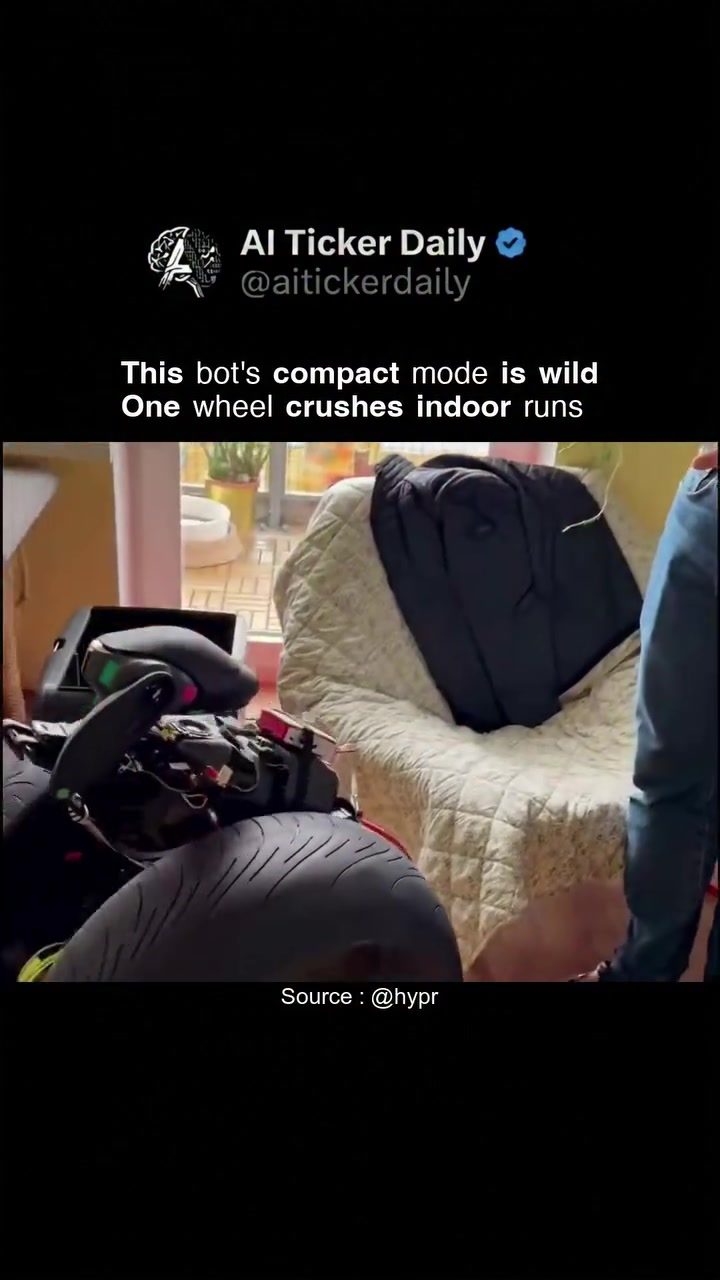
One-Wheeled Robots and Their Impact on Indoor Navigation
One-wheeled robots are pushing the boundaries of what's possible in indoor navigation. These compact, agile machines are designed to maneuver through tight spaces and cluttered environments with ease. Their unique design allows them to shrink their footprint, making them ideal for use in homes, offices, and other indoor settings.
Why This Matters
Indoor robots, such as those used for cleaning, delivery, or monitoring, often face challenges navigating through cluttered or tight spaces. Furniture legs, door jambs, and other obstacles can impede their movement, making traditional robots less effective in real-world settings. One-wheeled robots, on the other hand, offer a solution to these problems. Their single-wheel design allows them to navigate tight aisles and cluttered areas with agility, making them more versatile and effective in indoor environments.
Main Discussion
The Advantages of a Single-Wheel Design
The single-wheel design of these robots provides several key advantages. Firstly, it allows for a smaller footprint, which is crucial for navigating tight spaces. Traditional robots with multiple wheels or tracks can struggle with obstacles like furniture legs and door jambs. In contrast, a one-wheeled robot can pivot and maneuver around these obstacles with ease.
Secondly, the compact mode of these robots allows them to shrink their footprint further, making them even more agile in cluttered environments. This feature is particularly useful in homes or offices where space is limited.
Indoor Navigation Challenges
Indoor navigation presents unique challenges that robots must overcome to be effective. These challenges include:
- Cluttered Environments: Homes and offices are often filled with furniture, boxes, and other items that can obstruct a robot's path.
- Tight Aisles: Narrow corridors and doorways can be difficult for larger robots to navigate.
- Dynamic Obstacles: Moving objects like people and pets can create unpredictable obstacles for robots to navigate around.
One-wheeled robots are designed to handle these challenges with their agile, compact design. By shrinking their footprint and using a single wheel for movement, these robots can navigate through tight aisles and cluttered environments with ease.
Compact Mode and Its Benefits
One of the standout features of one-wheeled robots is their compact mode. This mode allows the robot to shrink its footprint, making it even more maneuverable in tight spaces. By reducing the size of the robot, compact mode helps the robot avoid obstacles and navigate through cluttered environments more effectively.
This feature is particularly useful in homes and offices where space is at a premium. For example, a one-wheeled robot in compact mode can easily navigate through narrow corridors and between furniture without getting stuck or obstructed.
Practical Use Cases
One-wheeled robots have a wide range of practical applications in indoor environments. Some of the most promising use cases include:
- Home Cleaning: One-wheeled robots can navigate through cluttered living spaces, making them ideal for vacuuming or mopping.
- Office Delivery: In an office setting, these robots can deliver documents, packages, or supplies to employees, navigating through crowded workspaces with ease.
- Security and Monitoring: One-wheeled robots can be used to monitor indoor spaces, providing surveillance and security in homes, offices, and other buildings.
- Assistance for the Elderly or Disabled: These robots can assist individuals with mobility challenges by navigating through cluttered environments and retrieving items.
Practical Tips
Maximizing the Benefits of One-Wheeled Robots
To get the most out of a one-wheeled robot, consider the following tips:
- Optimize Your Environment: Keep walkways clear of clutter to allow the robot to navigate more efficiently.
- Use Compact Mode Wisely: Activate compact mode when navigating through tight spaces or cluttered areas to maximize maneuverability.
- Schedule Regular Maintenance: Regularly clean and maintain the robot to ensure it operates at peak performance.
- Update Software: Keep the robot's software up-to-date to benefit from the latest features and improvements.
Integrating One-Wheeled Robots into Daily Life
To seamlessly integrate one-wheeled robots into daily routines, consider the following:
- Program Routine Tasks: Schedule the robot to perform routine tasks, such as cleaning or delivery, at specific times.
- Set Boundaries: Use virtual barriers or physical barriers to keep the robot within designated areas, ensuring it doesn't enter restricted zones.
- Monitor Performance: Regularly check the robot's performance and adjust settings as needed to optimize its effectiveness.
Important Takeaways
One-wheeled robots offer a unique solution to the challenges of indoor navigation. Their compact design and single-wheel agility make them highly effective in cluttered and tight spaces. By understanding their capabilities and integrating them into daily routines, users can benefit from their versatility and efficiency in various indoor environments.
Conclusion
One-wheeled robots are at the forefront of indoor navigation technology. Their compact design and single-wheel agility make them ideal for navigating through tight aisles and cluttered environments. As technology advances, these robots are poised to become even more integrated into our daily lives, providing valuable assistance in homes, offices, and other indoor settings. By understanding their capabilities and incorporating them into daily routines, users can maximize the benefits of these innovative machines.
Watch the Reel
Questions readers ask
How does a one-wheeled robot navigate tight spaces?
A one-wheeled robot navigates tight spaces by using its compact and agile design. The single wheel allows it to turn on a dime, pivot 360 degrees and shrink its footprint, making it ideal for indoor environments with obstacles like furniture and doorways.
What advantages does a one-wheeled robot have in cluttered environments?
One-wheeled robots excel in cluttered environments due to their unique design. They can easily maneuver around obstacles and through narrow spaces, making them highly effective for tasks in homes and offices where traditional robots may struggle.
Can a one-wheeled robot be used for tasks other than navigation?
Yes, one-wheeled robots can be equipped to perform various tasks, such as cleaning, delivery, and monitoring. Their agility and compact size make them versatile for different indoor applications, enhancing their usefulness beyond simple navigation.
How does the single-wheel design improve indoor robot agility?
The single-wheel design improves indoor robot agility by allowing the robot to make sharp turns and navigate complex paths with ease. This design also enables the robot to quickly change direction and avoid obstacles, making it more efficient in dynamic indoor environments.
Are one-wheeled robots suitable for both home and office settings?
Yes, one-wheeled robots are suitable for both home and office settings. Their compact size and agile maneuverability make them ideal for navigating through tight spaces and cluttered environments commonly found in these areas, ensuring effective and efficient performance.
How does a one-wheeled robot compare to traditional multi-wheeled robots in indoor navigation?
One-wheeled robots offer several advantages over traditional multi-wheeled robots in indoor navigation. They can navigate tight spaces more easily, turn in smaller areas, and adjust to cluttered environments more effectively, making them a superior choice for complex indoor settings.
What kind of tasks can a one-wheeled robot perform in an office setting?
In an office setting, a one-wheeled robot can perform a variety of tasks such as delivering documents, monitoring security, and even assisting with office maintenance. Their agility and compact design allow them to navigate through crowded workspaces efficiently, making them valuable tools for enhancing productivity and security.
Related deep dives
Similar reads based on topic and creator.




Recent articles
Fresh deep dives from the latest Reels we unpacked.




Comments
Be the first to comment.