Octopus Behavior: Throwing Debris and More
Introduction
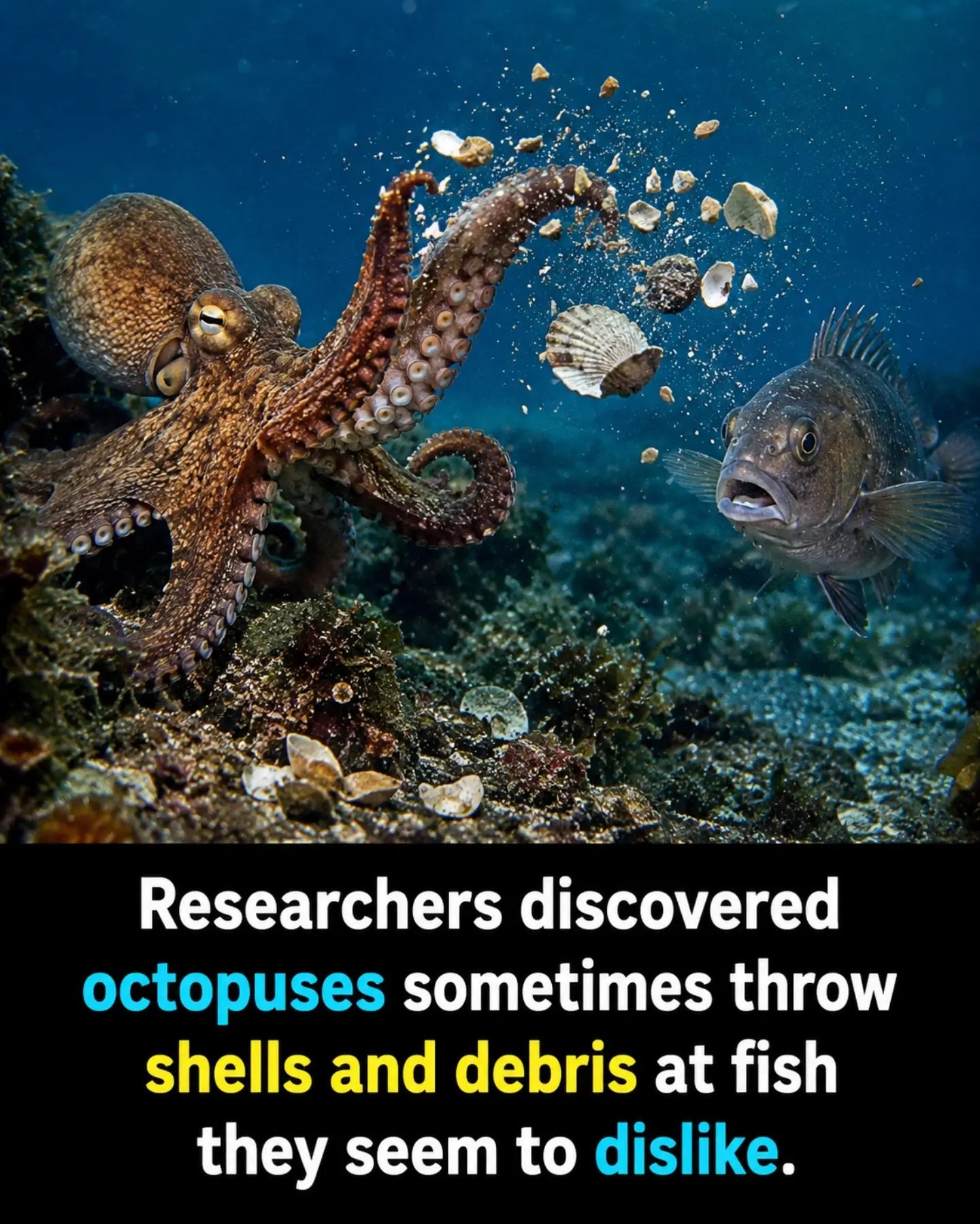
Octopuses exhibit a variety of fascinating behaviors, and one of the most intriguing is their tendency to throw shells and debris, seemingly directed at fish. This behavior has piqued the interest of researchers who have observed and documented it in natural ocean environments. Understanding this behavior offers insights into the complex social dynamics and problem-solving capabilities of these remarkable creatures.
Context: Why This Matters
The study of octopus behavior is crucial for several reasons. First, it helps us understand the intelligence and adaptability of these marine creatures. Their ability to manipulate objects and use them in their interactions with other species provides valuable insights into the evolution of tool use and problem-solving in the animal kingdom. Second, observing such behaviors can help marine biologists and conservationists devise better strategies for protecting these creatures and their habitats. By understanding how octopuses interact with their environment, researchers can develop more effective conservation plans and monitor the health of marine ecosystems.
Main Discussion
A Complex Behavior
The act of an octopus throwing shells and debris is more than just a curious quirk. Researchers have noted that this behavior is often directed at fish, leading to speculation that it may be a form of aggression or a way to communicate dislike. This observation underscores the complexity of octopus behavior and their ability to express frustration or hostility.
Environmental and Social Factors
Observing this behavior in a natural ocean environment, complete with rocks and sand, provides contextual clues about the social and environmental factors that might trigger such actions. Octopuses are known to be highly intelligent and adaptable, capable of solving problems and learning from their experiences. The act of throwing objects could be a learned behavior, perhaps passed down through generations or acquired through individual experiences.
Biological and Behavioral Insights
The physical act of throwing debris requires a degree of dexterity and coordination. Octopuses have no bones, which allows them to squeeze through tight spaces and manipulate objects with their eight flexible arms. Their ability to use tools, like throwing shells, indicates a level of cognitive ability and problem-solving skills that are rare in the animal kingdom. This behavior highlights the octopus's capacity for problem-solving and its role as an apex predator in its ecosystem.
Practical Tips
While this behavior is intriguing, it is essential to consider the ethical implications of observing and studying these creatures. Here are some practical tips for those interested in learning more about octopus behavior:
- Respect Wildlife: Always maintain a safe and respectful distance when observing marine life. Avoid disturbing their natural habitat or behavior.
- Conservation Efforts: Support organizations that work towards marine conservation. Understanding octopus behavior can help in creating effective strategies for their protection.
- Educational Resources: Engage with educational resources, such as documentaries and scientific articles, to deepen your knowledge of octopus behavior and marine biology.
Important Takeaways
- Intelligence and Adaptability: Octopuses exhibit complex behaviors, including throwing shells and debris, which demonstrate their intelligence and adaptability.
- Social Dynamics: Observing these behaviors in a natural environment provides insights into their social dynamics and interactions with other species.
- Research and Conservation: Understanding octopus behavior can aid in conservation efforts and help researchers develop better strategies for protecting marine ecosystems.
Conclusion
The act of an octopus throwing shells and debris is a fascinating example of their intelligence and adaptive behavior. By studying these behaviors, we gain valuable insights into the complex world of marine life and the intricate ways in which these creatures interact with their environment. This knowledge not only enriches our understanding of the natural world but also helps in creating effective conservation strategies to protect these remarkable creatures and their habitats.
Watch the Reel
Questions readers ask
Why do octopuses throw shells and debris at fish?
Octopuses throw shells and debris at fish as a display of aggression or as a means of communication. This behavior is often observed in their natural ocean environment and helps researchers understand the social dynamics and interactions of these creatures.
How does throwing debris demonstrate octopus intelligence?
By manipulating objects and using them in specific ways, such as throwing debris, these creatures show problem-solving skills. This behavior is a demonstration of their cognitive abilities, adaptability, and understanding of their surroundings.
Can octopus behavior be observed underwater?
Yes, octopus behavior, including shell throwing, can be observed underwater. Researchers often document these behaviors in natural ocean environments to gain a better understanding of their social interactions and problem-solving capabilities.
What does the behavior of throwing shells reveal about octopus adaptability?
The behavior of throwing shells and debris demonstrates the octopus's ability to adapt to their environment and use available resources for defense, communication, or manipulation. This adaptability is a key aspect of their survival and interaction with other species.
How do octopuses interact with fish through shell throwing?
When octopuses throw shells or debris at fish, it can be a form of aggression or a way to deter predators. This behavior shows a form of social interaction and helps researchers understand the complexities of underwater dynamics between these species.
What other behaviors do octopuses exhibit besides throwing shells?
Octopuses exhibit a variety of behaviors, including camouflage, problem-solving tasks, and intricate communication methods. These behaviors, along with shell throwing, contribute to our understanding of their intelligence and adaptability in the ocean environment.
Do octopuses throw debris for any other reasons besides aggression?
Yes, octopuses may also throw debris as a form of communication or to manipulate their environment. For example, they might use debris to create barriers or to signal to other octopuses, showcasing their problem-solving capabilities and social interactions.
Related deep dives
Similar reads based on topic and creator.


Recent articles
Fresh deep dives from the latest Reels we unpacked.




Comments
Be the first to comment.