Coastal Living and Wellbeing
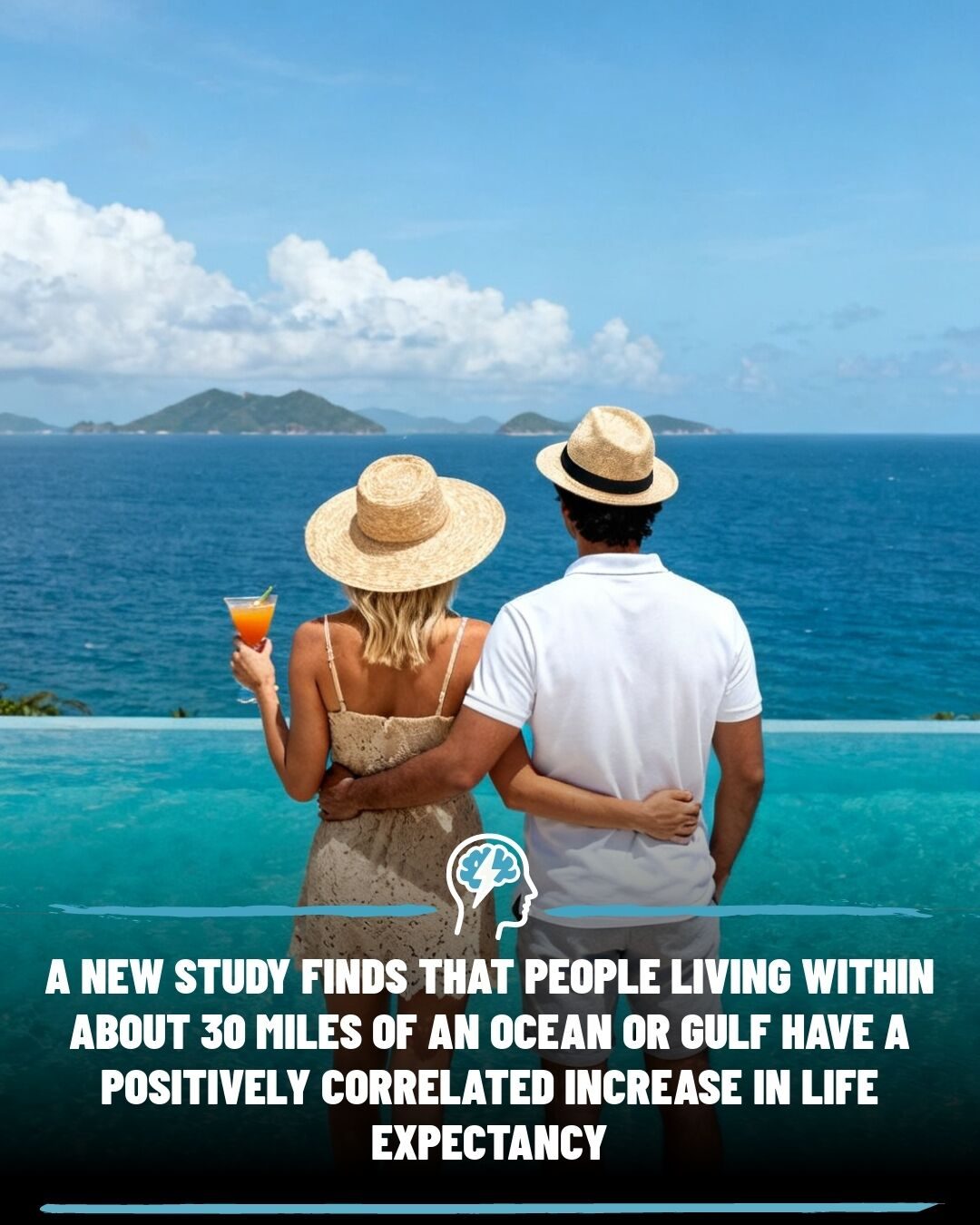
Living near the ocean might add years to your life, according to recent research from Ohio State University. The study analyzed over 66,000 U.S. census tracts and found that people living within 30 miles of an ocean or gulf tend to live longer, often more than one year above the national average. The findings highlight several health-promoting factors associated with coastal living.
Why This Matters
The link between coastal living and increased life expectancy is significant. It encourages a broader understanding of how our environment impacts our health. By examining the benefits of coastal living, we can gain insights into how to enhance well-being, regardless of where we live.
Main Discussion
Health Benefits of Coastal Living
Coastal areas offer several advantages that contribute to a healthier lifestyle. One of the most notable benefits is the milder climate. Coastal regions often experience fewer extreme temperatures, which can reduce the stress on the body and lower the risk of heat-related illnesses. The air quality near the ocean is generally better due to the constant flow of fresh, salt-infused air, which can improve respiratory health.
Additionally, coastal living provides more opportunities for outdoor recreation and physical activity. The proximity to the ocean encourages activities like swimming, surfing, and beach walks, all of which promote an active lifestyle and mental well-being.
Infrastructure and Economic Factors
Coastal communities often have better transportation infrastructure and higher average incomes. These factors contribute to overall well-being. Better infrastructure means easier access to healthcare, education, and other essential services. Higher incomes can lead to better living conditions, nutrition, and healthcare, all of which are crucial for longevity.
The Role of Water Bodies
The study revealed that not all water bodies offer the same benefits. Living near inland bodies of water, such as rivers or large lakes, did not show the same positive correlation with increased life expectancy. In urban areas, proximity to inland water was even associated with slightly lower life expectancy. This disparity is likely due to factors like pollution, flood risks, and a lack of safe recreational spaces around urban waterways.
Coastal Living vs. Urban Living
The differences between coastal and urban living are stark. Urban areas often face issues like air pollution, congestion, and limited green spaces, which can negatively impact health. In contrast, coastal living offers cleaner air, more opportunities for outdoor activities, and a generally more relaxed atmosphere. The contrast highlights the importance of environmental factors in shaping our health and well-being.
Practical Tips
Incorporating Coastal Elements into Your Lifestyle
Even if you don't live near the coast, you can still incorporate elements of coastal living into your daily life. Here are a few tips:
-
Spend Time Outdoors: Make an effort to spend more time outside, whether it's in a park, on a lake, or just in your backyard. Nature has a calming effect and encourages physical activity.
-
Engage in Outdoor Activities: Find activities that you enjoy, such as hiking, biking, or swimming. These activities not only keep you physically active but also provide mental relaxation.
-
Improve Air Quality: If you live in an urban area, consider using air purifiers and plants to improve indoor air quality. Regularly ventilate your home to let in fresh air.
-
Enjoy Fresh Produce and Seafood: If possible, incorporate fresh, locally sourced produce and seafood into your diet. These foods often contain higher nutrient levels, which can contribute to overall health.
Important Takeaways
The study's findings underscore the importance of our environment in shaping our health. Coastal living offers a combination of environmental, social, and economic factors that contribute to a longer, healthier life. While not everyone can move to the coast, recognizing these factors can help us make healthier choices and improve our overall well-being.
Remember, it's not just about living near the ocean; it's about creating an environment that supports your health and well-being. Whether you live inland or by the coast, finding ways to incorporate elements of a healthy lifestyle into your daily routine can make a significant difference.
Conclusion
Coastal living offers numerous benefits that can contribute to a longer, healthier life. The study from Ohio State University provides valuable insights into how our environment influences our health. By understanding these factors, we can make informed choices to enhance our well-being, regardless of where we live. Whether it's through spending more time outdoors, engaging in physical activities, or improving our living conditions, small changes can lead to significant improvements in our overall health and longevity.
Watch the Reel
Questions readers ask
How does living near the ocean impact life expectancy?
Studies show that coastal residents may live more than a year longer than the national average. This is attributed to factors such as climate, outdoor activities, and better infrastructure, all of which contribute to longer, healthier lives.
What specific health benefits are associated with coastal living?
Coastal living offers numerous health benefits, including cleaner air, more opportunities for outdoor activities, and a generally more relaxed environment. These factors combined can lead to better overall well-being and potentially increased longevity.
How far from the ocean do you need to live to gain these benefits?
Research indicates that living within 30 miles of an ocean or gulf can provide these health benefits. The proximity to the sea allows residents to enjoy the coastal climate and engage in outdoor activities, which positively impact overall well-being.
What makes the climate near the ocean beneficial for health?
The coastal climate is often milder and more consistent, with less extreme temperature fluctuations compared to inland areas. This can reduce stress on the body and lower the risk of health issues related to harsh weather conditions.
Are there specific studies that support the benefits of ocean living?
Yes, a large study from Ohio State University analyzed over 66,000 U.S. census tracts and found that people living near the ocean tend to live longer. This research highlights the positive impact of the coastal environment on overall health and longevity.
Can inland residents experience similar benefits without moving to the coast?
While inland residents may not have the same direct access to the sea, they can still adopt aspects of coastal living. Engaging in regular outdoor activities, maintaining a healthy lifestyle, and enjoying sea breeze vacations can help replicate some of the benefits associated with coastal living.
How do outdoor activities by the sea contribute to a longer life?
Outdoor activities by the sea, such as swimming, walking on the beach, and water sports, can improve cardiovascular health, lower stress levels, and promote a more active lifestyle. These activities, combined with the relaxing effects of the sea, contribute to a healthier, longer life.
Related deep dives
Similar reads based on topic and creator.




Recent articles
Fresh deep dives from the latest Reels we unpacked.




Comments
Be the first to comment.