Ocean Cleanup Technology: Innovations in Marine Waste Management
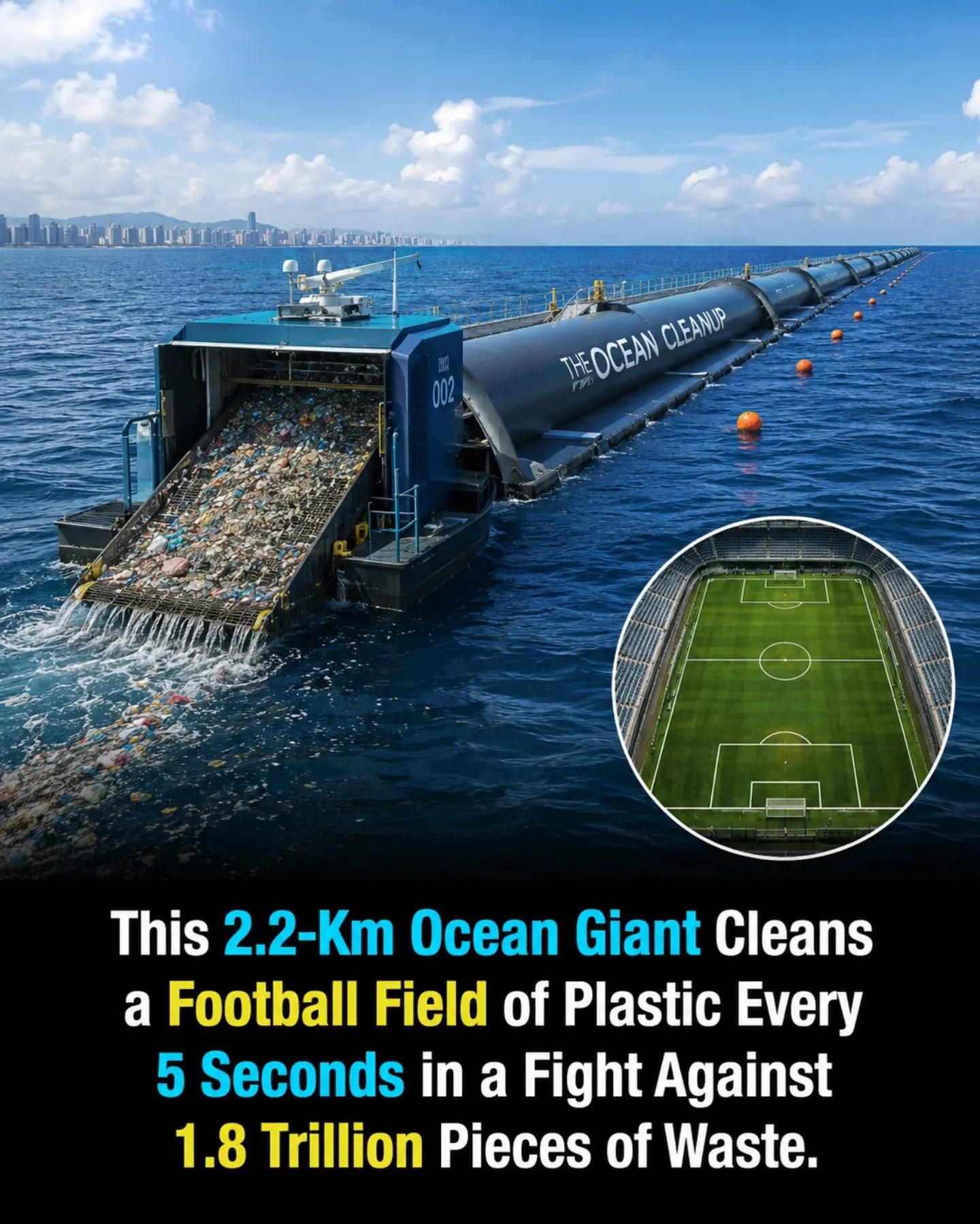
Ocean cleanup technology has emerged as a critical area of focus in the fight against marine pollution. As the oceans become increasingly contaminated with plastic waste, innovative solutions like The Ocean Cleanup's 002 device are revolutionizing how we approach waste management in marine environments. This technology is not just about cleaning up the oceans; it's about addressing a massive global problem that threatens marine life and ecosystems.
Why This Matters
Plastic pollution in the oceans is a growing concern. Estimates suggest there are 1.8 trillion pieces of plastic waste in our oceans, with the majority of this waste coming from land-based sources. This waste poses significant threats to marine life, ecosystems, and even human health. The Ocean Cleanup 002 is part of a broader effort to tackle this issue head-on, demonstrating how technology can be a powerful tool in the fight against pollution.
The Ocean Cleanup 002 is an impressive feat of engineering, stretching 2.2 kilometers (1.36 miles) in length. This massive device is designed to collect plastic waste from the ocean, depositing it onto a ship for further processing. The efficiency of this device is staggering—it can clean an area equivalent to a football field of plastic every five seconds. This capability highlights the scale of the plastic waste problem and the urgent need for innovative solutions.
Main Discussion
The Ocean Cleanup 002: Design and Functionality
The Ocean Cleanup 002 is a marvel of modern engineering, designed to withstand the harsh conditions of the open ocean while efficiently collecting plastic waste. The device operates using a combination of natural ocean currents and advanced technology to capture plastic debris. Its design allows it to collect waste from both the surface and subsurface, ensuring a comprehensive cleanup effort.
One of the key features of the Ocean Cleanup 002 is its modular design. This allows for easy maintenance and scalability, meaning additional units can be added to the system to increase its capacity and efficiency. The modularity also makes it easier to repair and upgrade individual components without disrupting the overall operation.
The Technology Behind the Cleanup
The Ocean Cleanup 002 uses a combination of passive and active collection methods. Passively, the device leverages the natural movement of the ocean currents to capture plastic waste as it moves through the water. Actively, it employs a system of pumps and filters to collect waste from deeper ocean layers. This dual approach ensures that plastic waste is collected from both the surface and subsurface, addressing the full spectrum of ocean pollution.
The device is also equipped with advanced sensors and monitoring systems that provide real-time data on its performance and the state of the ocean environment. This data is crucial for understanding the effectiveness of the cleanup efforts and for making informed decisions about future deployments.
Environmental Impact
The environmental impact of the Ocean Cleanup 002 is significant. By removing vast amounts of plastic waste from the ocean, the device helps to reduce the harmful effects of pollution on marine life and ecosystems. This includes protecting species that are at risk from entanglement, ingestion, and habitat destruction caused by plastic waste.
Additionally, the cleanup efforts have the potential to improve ocean health and biodiversity. By reducing the amount of plastic in the ocean, the device helps to mitigate the environmental consequences of pollution, allowing marine ecosystems to recover and thrive. This, in turn, has a positive impact on global food security and the health of the planet.
Practical Tips
Supporting Ocean Cleanup Efforts
There are several ways individuals can support ocean cleanup efforts, both locally and globally. One of the most effective ways is to reduce plastic waste at the source. This can be achieved by making conscious choices about the products we buy and the packaging we use. Opting for reusable items, recyclable materials, and eco-friendly products can significantly reduce the amount of plastic waste that ends up in the ocean.
Participating in local beach and river cleanups is another practical way to support ocean cleanup efforts. These community-driven initiatives help to remove plastic waste from coastal areas and waterways, preventing it from reaching the ocean. Many organizations coordinate these events and provide the necessary resources and support for volunteers.
Advocating for Policy Changes
Advocating for policy changes at the local, national, and international levels is also crucial. Policies that promote recycling, reduce single-use plastics, and hold companies accountable for their waste management practices can have a significant impact on marine pollution. By supporting legislation and initiatives that prioritize environmental protection, individuals can contribute to a cleaner, healthier ocean.
Important Takeaways
Ocean cleanup technology, exemplified by The Ocean Cleanup 002, is a groundbreaking solution to one of the world's most pressing environmental challenges. Its ability to collect vast amounts of plastic waste from the ocean highlights the importance of innovative technology in tackling environmental issues. By combining natural ocean currents and advanced technology, this device showcases how engineering can be leveraged for environmental conservation.
The environmental impact of The Ocean Cleanup 002 is far-reaching, from protecting marine life to improving ocean health and biodiversity. Supporting these efforts through individual actions and policy advocacy can make a significant difference in the fight against plastic pollution.
Conclusion
The Ocean Cleanup 002 represents a significant step forward in the fight against marine pollution. By leveraging cutting-edge technology and innovative design, this device is making a tangible impact on the issue of plastic waste in the ocean. As we continue to confront the challenges posed by marine pollution, solutions like The Ocean Cleanup 002 offer hope and a pathway to a cleaner, healthier ocean. Through collective efforts and technological advancements, we can create a future where our oceans are free from the devastating effects of plastic waste.
Watch the Reel
Questions readers ask
How does The Ocean Cleanup's 002 device work to collect plastic waste?
The Ocean Cleanup's 002 device is designed with a 2.2-kilometer-long barrier that efficiently collects plastic waste while allowing marine life to pass safely beneath it. The device uses natural ocean currents to capture and concentrate plastic debris, making it easier to collect and remove from the water.
What makes The Ocean Cleanup's technology innovative in fighting marine plastic?
The Ocean Cleanup's technology stands out due to its smart design, which enables efficient and large-scale collection of plastic waste. By utilizing natural ocean currents, the system minimizes energy consumption and maximizes effectiveness. Additionally, the technology is continually evolving, with the 002 device being an upgraded iteration of previous models.
How significant is the problem of plastic waste in the ocean addressed by the 002 device?
The problem is vast, with estimates indicating 1.8 trillion pieces of plastic littering the ocean. The 002 device is specifically designed to combat this issue by collecting plastic debris on a large scale.
What are the primary sources of marine plastic debris that the 002 device aims to combat?
The majority of marine plastic debris originates from land-based sources, including improper waste disposal, littering, and runoff. The Ocean Cleanup's 002 device targets this plastic waste by intercepting it in the ocean before it further pollutes marine environments.
Can the 002 device harm marine life while collecting plastic waste?
The 002 device is engineered to be safe for marine life. Its design allows sea creatures to pass underneath the barrier unimpeded, ensuring that the collection process does not inadvertently harm or entangle marine animals.
Who is behind The Ocean Cleanup project and what are their goals?
The Ocean Cleanup project was founded by Boyan Slat, a Dutch inventor and entrepreneur. The primary goals are to develop advanced technologies that collect plastic debris from the ocean and interdict plastic pollution before it reaches the ocean from rivers. The project aims to reduce the amount of plastic waste in oceans and improve ocean health.
How does The Ocean Cleanup project plan to manage the collected plastic waste?
Once the 002 device collects the plastic waste, it is transported to shore for recycling or proper disposal. The Ocean Cleanup project collaborates with recycling partners to process the collected plastic, ensuring that it is repurposed into new products, closing the plastic loop.
Related deep dives
Similar reads based on topic and creator.



Recent articles
Fresh deep dives from the latest Reels we unpacked.




Comments
Be the first to comment.