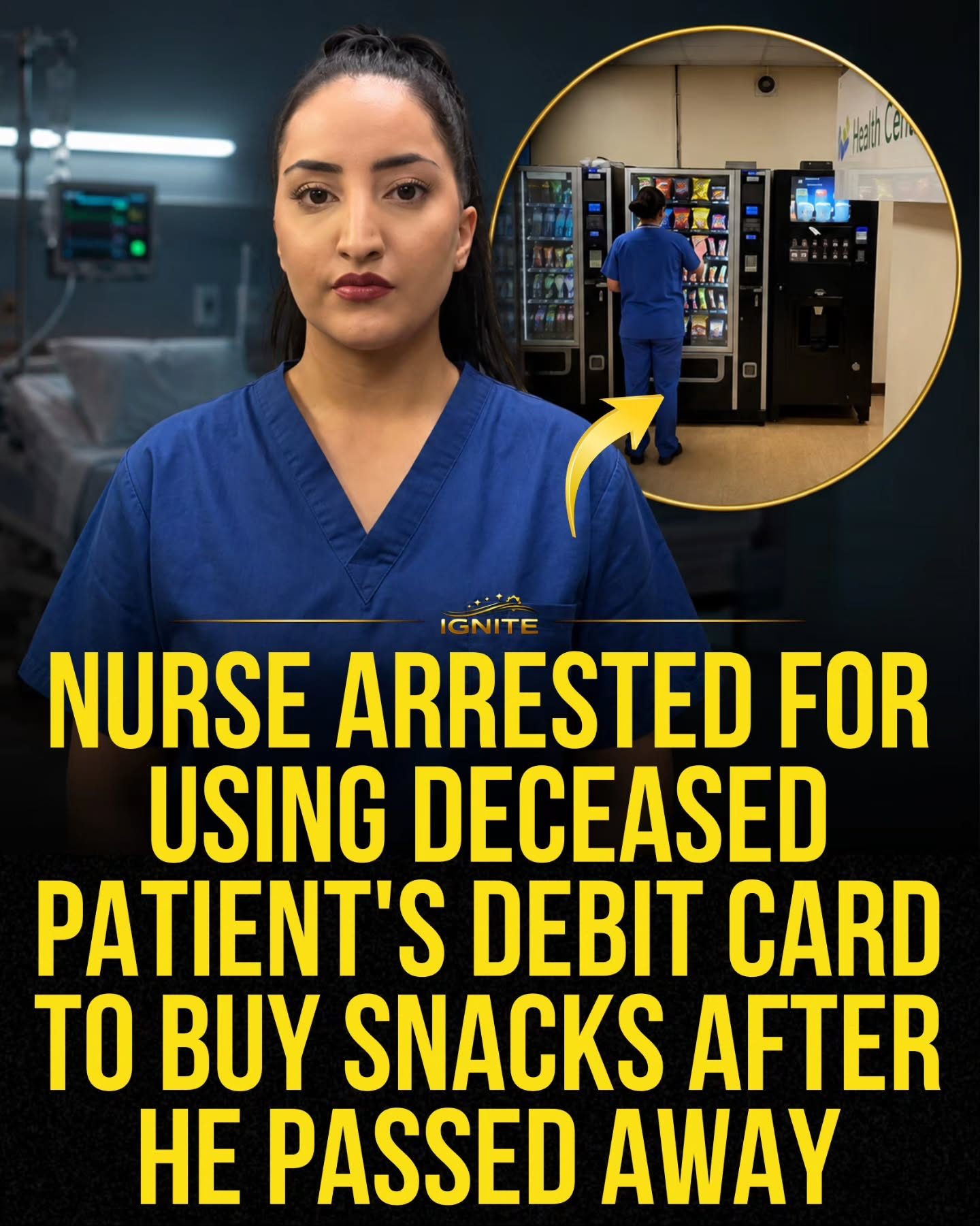
Nurse Arrested for Debit Card Theft
The recent arrest of a nurse for the theft of a deceased patient's debit card has sparked a lot of attention. The nurse was accused of using the card to buy snacks, and the incident occurred in a hospital setting. Let's delve into a more detailed perspective on what happened and the implications it has for the medical community.
Context / Why this matters
Theft of any kind is always distressing, especially within a trusted environment like a hospital. The actions of this nurse violate the trust placed in medical professionals, who are often the last line of defense for patients. The consequences of such an act extend beyond the hospital; it affects the trust that society at large places in healthcare workers. The incident emphasizes the importance of accountability, ethical behavior, and stringent oversight within healthcare facilities.
Main discussion
The Incident
The nurse in question was allegedly found using a deceased patient's debit card to purchase snacks. The news story describes the nurse being arrested for this act. This event underscores the potential for misconduct within healthcare settings and the need for vigilant monitoring of patient belongings and financial information.
The Hospital Setting
The incident raises questions about security protocols in hospitals. Hospitals are not only places of healing but also potentially vulnerable to financial misconduct. The environment, filled with medical equipment and vending machines, should ideally be secure and monitored to prevent such thefts. The background of the nurse in scrubs, presumably in a hospital setting, highlights the irony of the situation—healthcare professionals are entrusted with life-saving responsibilities, but this incident shows that they can also engage in fraudulent activities.
Legal Perspective
The legal ramifications of the nurse’s actions are severe. The use of a deceased patient's debit card without authorization is a criminal offense. It involves fraud and misappropriation of funds, which can lead to serious legal penalties, including imprisonment. The nurse's actions have not only legal implications but also ethical and professional repercussions that could impact their career.
Ethical Implications
The ethical implications of such an act are profound. Healthcare professionals are held to a high standard of ethical conduct, and any breach of this trust can have far-reaching consequences. The nurse’s actions have breached the trust that patients and their families place in healthcare professionals. This incident can undermine public trust in the medical community and highlight the importance of ethical training and oversight in all healthcare settings.
Public Reaction
The public reaction to this incident has been one of shock and disbelief. Many people find it hard to believe that a healthcare professional could engage in such misconduct. The incident has sparked discussions about the need for stricter measures to prevent such incidents and the importance of maintaining high ethical standards within the healthcare profession. Comments by the general public often reflect a sense of betrayal and a call for more stringent regulations and oversight.
Practical tips
For Healthcare Professionals
To prevent such incidents, healthcare professionals should be routinely reminded of their ethical responsibilities and the legal implications of misconduct. Regular training and awareness programs can help reinforce these principles. Additionally, hospitals should implement strict protocols for securing patient belongings, including financial information and personal items.
For Hospitals
Hospitals should invest in advanced security measures, including surveillance cameras and access controls. Clear policies and procedures should be in place for handling patient belongings and financial information. Regular audits and compliance checks can help ensure that these measures are being followed.
For the Public
Patients and their families should be vigilant about their belongings and financial information while in the hospital. There are steps you can take to protect your personal items, including:
- Keeping valuables and financial information with you at all times.
- Informing hospital staff if you suspect any misconduct.
- Requesting that your belongings be stored securely.
Important takeaways
This incident serves as a stark reminder of the importance of ethical conduct and accountability in the healthcare profession. It highlights the need for stringent measures to prevent fraud and misconduct. The incident also underscores the importance of maintaining public trust in healthcare professionals and the need for transparency and vigilance.
Conclusion
The arrest of a nurse for using a deceased patient's debit card is a shocking event that has raised serious questions about security, ethics, and trust in healthcare settings. It serves as a reminder for healthcare professionals, hospitals, and the public to be vigilant and responsible. By taking practical steps and implementing stricter protocols, we can help prevent such incidents and ensure that healthcare professionals uphold the highest standards of ethical conduct.
Watch the Reel
Questions readers ask
What specific items were stolen by the nurse?
The nurse was accused of stealing a deceased patient's debit card, and it was reported that the nurse used the card to buy snacks.
What are the potential consequences for the nurse and the hospital?
The nurse faces criminal charges and potential loss of their nursing license and job. The hospital may face scrutiny, leading to policy changes and enhanced security measures to prevent such incidents in the future.
How can hospitals prevent theft of patient belongings?
Hospitals can implement stricter security protocols, such as secure storage for patient belongings, regular audits, and enhanced monitoring, along with promoting a culture of accountability and ethical behavior among staff.
What should family members do to protect a patient's belongings in a hospital setting?
Family members should keep valuables at home if possible, and if that's not feasible, store them in a secure location within the hospital, such as a designated safe or with a trusted family member or friend who can be present at the hospital.
What are the implications of this incident for the nursing profession?
This incident underscores the importance of maintaining high ethical standards and accountability within the nursing profession. It serves as a reminder that all healthcare professionals must uphold the trust and confidence placed in them by patients and the public.
Who is responsible for safeguarding the belongings of a patient in a hospital?
The hospital and its staff are responsible for safeguarding a patient's belongings. However, family members and friends should also take an active role in ensuring the security of a patient's possessions. Family members may not be notified of the theft of a patient's belongings if the patient is deceased until a family member is at the hospital.
What should be done if a nurse is suspected of theft or misconduct?
If a nurse is suspected of theft or misconduct, it should be reported to the appropriate authorities within the hospital, such as the supervisor or ethics committee, and to law enforcement if necessary. Hospitals should have clear procedures in place for addressing and investigating such claims.
Related deep dives
Similar reads based on topic and creator.



Recent articles
Fresh deep dives from the latest Reels we unpacked.




Comments
Be the first to comment.