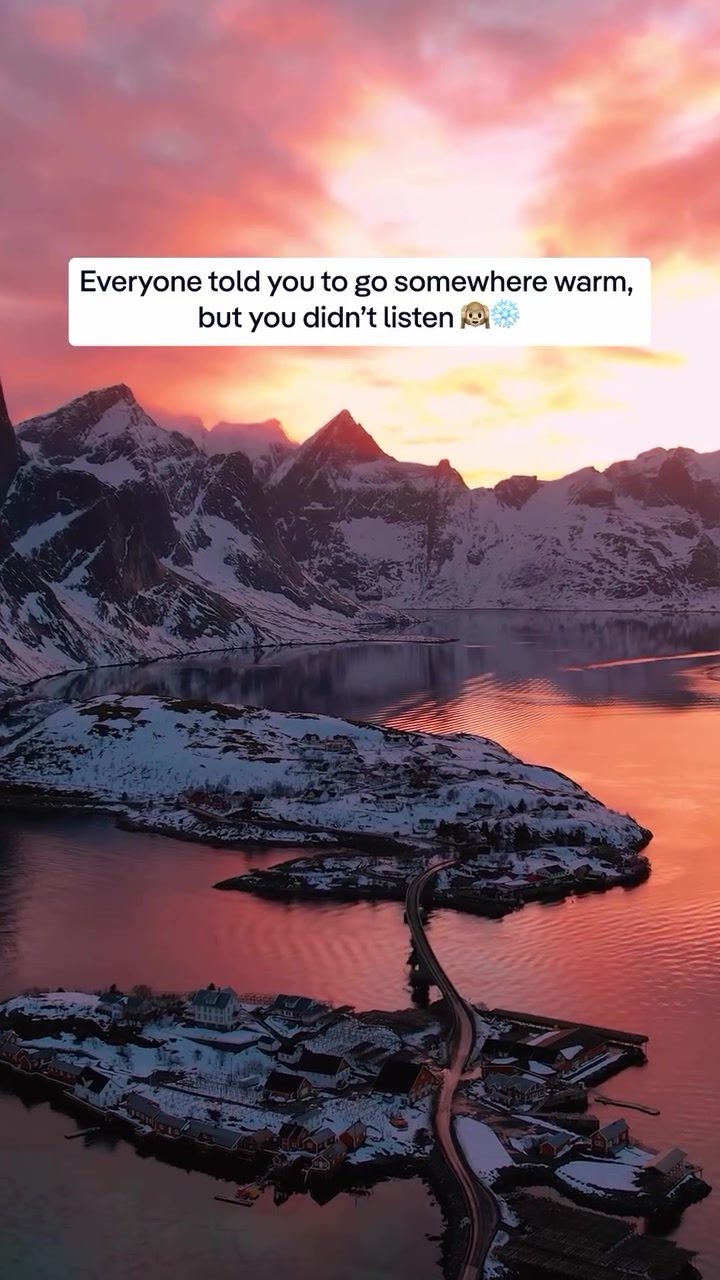
Norway's Winter Wonderland: A Journey Through the Arctic Sky
Norway's winter landscape is a breathtaking spectacle that draws travelers from around the world. During the colder months, the Arctic sky comes alive with the Northern Lights, while sunsets paint vibrant hues across the snowy peaks of the Lofoten Islands. This natural phenomenon, combined with the serene beauty of the fjords and the thrill of spotting migrating whales, makes Norway a must-visit destination for winter enthusiasts.
Context / Why This Matters
The allure of Norway's winter landscape is not just about the picturesque scenery; it's also about the unique experiences that come with it. The combination of the Northern Lights, stunning sunsets, and the chance to see wildlife like orcas and humpback whales makes it a destination that stands out. For those planning a winter getaway, Norway offers a blend of adventure, relaxation, and natural beauty that is hard to find elsewhere.
Main Discussion
The Aurora Borealis
The Northern Lights, or Aurora Borealis, is a natural phenomenon that occurs when charged particles from the sun interact with Earth's atmosphere. In Norway, this spectacle is best viewed in the colder months, where the clear, dark skies provide the perfect backdrop for the dancing lights. The Lofoten Islands, in particular, are renowned for their stunning displays, with the lights often visible from the comfort of a cozy cabin or while exploring the snowy landscapes.
The phenomena are unpredictable, but with careful planning, travelers can increase their chances of witnessing this magical sight. Local guides and tourism agencies offer Aurora tours, which include transportation to optimal viewing spots and expert advice on the best times to watch.
Sunsets and Snowy Peaks
The sunsets in Norway during winter are a sight to behold. The golden hues of the setting sun cast a warm glow over the snowy peaks, creating a stark contrast that is both dramatic and serene. The Lofoten Islands, with their jagged mountains and pristine fjords, offer some of the most breathtaking sunset views. Travelers can enjoy these moments from various vantage points, including hiking trails, boat tours, or cozy lodges with panoramic windows.
Wildlife Encounters
Norway's fjords are not just beautiful; they are also teeming with wildlife. During the winter months, orcas and humpback whales migrate through the fjords, providing a rare opportunity to witness these majestic creatures in their natural habitat. Boat tours and whale-watching excursions are popular activities that allow travelers to get up close to these marine giants. The sight of a humpback whale breaching the surface or an orca pod swimming gracefully through the fjords is an experience that will stay with you long after the trip.
The Charm of the Lofoten Islands
The Lofoten Islands are a group of islands located above the Arctic Circle, known for their stunning landscapes and vibrant communities. From the quaint fishing villages to the bustling towns, the Lofoten Islands offer a unique blend of traditional Norwegian culture and modern amenities. The islands are home to numerous tour guides and hospitality services that cater to a wide range of interests, from adventure sports to culinary experiences. The locals are known for their warmth and hospitality, making visitors feel welcome and at home.
Practical Tips
Best Time to Visit
To witness the Northern Lights and enjoy the winter wonderland, the best time to visit Norway is from September to March. During these months, the nights are longer, and the skies are clearer, providing ideal conditions for viewing the Aurora Borealis. However, it is important to note that the weather can be unpredictable, so it is advisable to plan for both indoor and outdoor activities.
What to Pack
When visiting Norway in winter, it is essential to pack warm clothing. Layers are key, as the weather can vary from mild to extremely cold. Thermal underwear, insulated jackets, gloves, and hats are must-haves. Waterproof boots and a sturdy pair of hiking boots are also recommended for exploring the snowy landscapes.
Getting Around
Norway has an excellent public transportation system, including buses, trains, and ferries, making it easy to travel between villages and towns. However, renting a car is often the best way to explore the more remote areas, especially if you plan to visit the Lofoten Islands. This will give you the freedom to travel at your own pace and access some of the more off-the-beaten-path locations.
Important Takeaways
Norway's winter landscape is a treasure trove of natural wonders and unique experiences. From the enchanting Northern Lights to the breathtaking sunsets and the thrill of spotting migrating whales, this destination offers something for every traveler. The Lofoten Islands, with their charming villages and vibrant culture, add an extra layer of charm to the overall experience.
Conclusion
Whether you are a nature enthusiast, an adventure seeker, or simply looking for a peaceful getaway, Norway's winter wonderland has something to offer. The combination of natural beauty, unique wildlife encounters, and the warmth of the local culture makes it a destination that truly stands out.
Watch the Reel
Questions readers ask
When is the best time to visit Norway for a chance to see the Northern Lights?
The best time to visit Norway for the Northern Lights is from September to mid-April, with the peak viewing months being from November to February, as the nights are longer and the skies are darker. It's also ideal to visit during a new moon period, as this increases the chances of seeing a more vibrant display.
What types of whales can you see in Norway during winter?
During winter, Norway is home to various whale species, including orcas (killer whales), humpback whales, and minke whales. These majestic creatures can be spotted along the coast, with the best viewing opportunities in the Vesterålen and Lofoten archipelagos.
Which fjords in Norway offer the best winter experiences?
Fjords are best enjoyed in Norway during the winter, offering spectacular views of snow-capped peaks and tranquil waters. The Geirangerfjord, Nærøyfjord, and Lysefjord are some of the best places to see fjords. The narrow, steep-sided fjords offer breathtaking natural beauty, and the quieter atmosphere during winter makes for a serene experience.
What are some unique activities to do in Norway during winter?
Norway offers a range of winter activities beyond the usual sightseeing. These include dog-sledding, snowshoeing, and ice fishing. Additionally, visitors can enjoy local culture and activities such as reindeer sledding, and ice-caving, providing a mix of adventure and relaxation.
How can I best prepare for a Norway winter vacation?
Preparing for a Norway winter vacation involves packing warm, waterproof clothing, including thermals, a warm coat, gloves, a hat, and sturdy, insulated boots. It's also important to check weather conditions and plan activities accordingly, as well as consider booking Northern Lights tours or whale-watching excursions in advance to secure your spot.
What are the unique aspects of Norway's winter sunsets?
Norway's winter sunsets are renowned for their vibrant colors, casting a warm glow over the snowy landscapes. The lingering twilight effect, known as “blue hour,” can last for extended periods, creating a mesmerizing spectacle. This unique phenomenon is especially captivating in regions like the Lofoten Islands, offering a blend of natural beauty and tranquility.
Related deep dives
Similar reads based on topic and creator.

Recent articles
Fresh deep dives from the latest Reels we unpacked.




Comments
Be the first to comment.