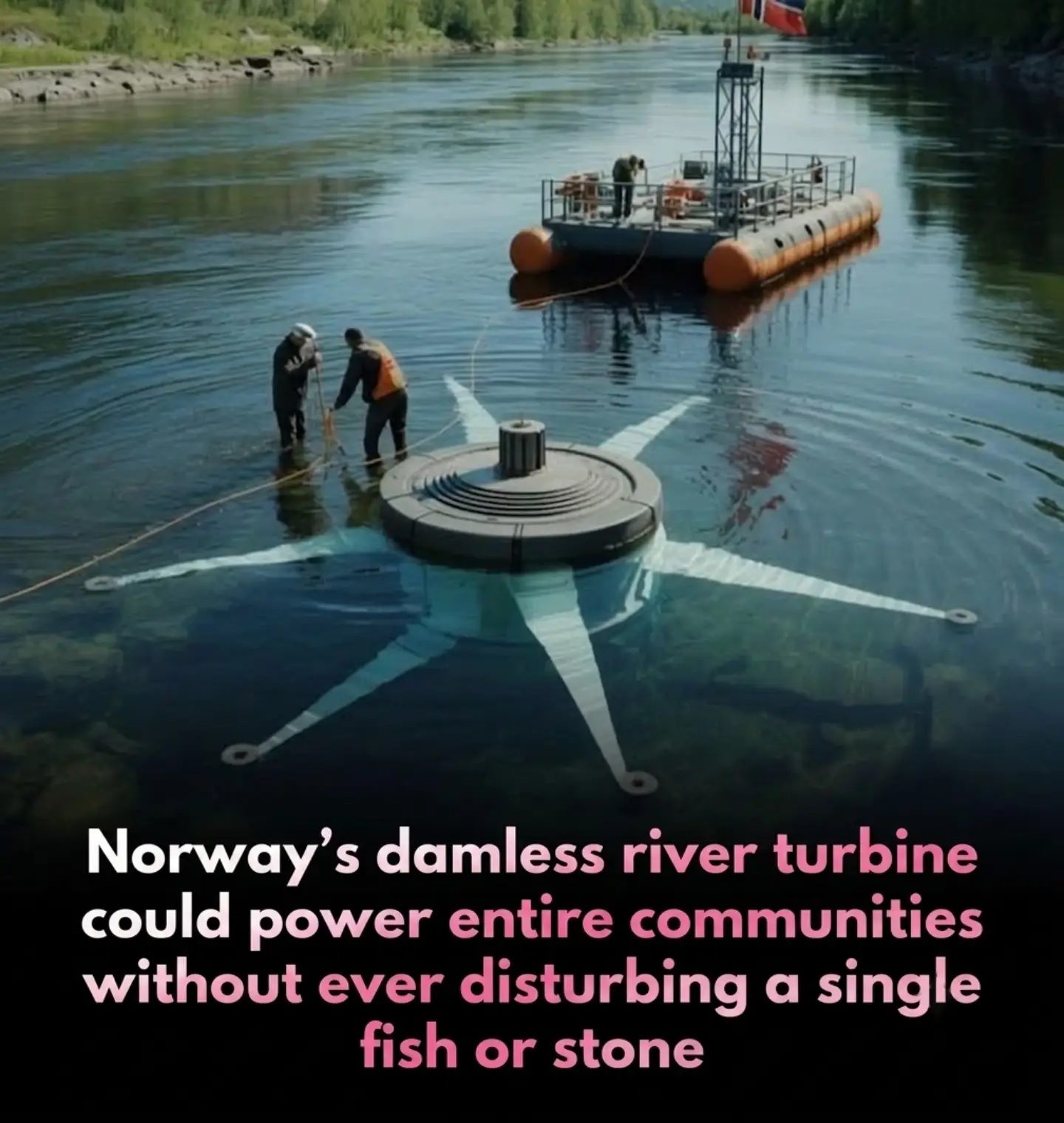
River Turbine Technology: A Revolution in Sustainable Energy
River turbines are emerging as a revolutionary technology in the field of renewable energy. Unlike traditional hydropower plants that rely on massive, environmentally disruptive dams, river turbines offer a more sustainable and eco-friendly solution. One standout example is the Kvasnes turbine, developed by the Norwegian company Kvasnes AS. This turbine represents a significant breakthrough in run-of-river, zero-head hydroelectric power.
Why This Matters
The demand for clean and sustainable energy sources is on the rise as the world seeks to reduce its carbon footprint. River turbines address this need by harnessing the natural kinetic energy of flowing river currents. This technology can power entire communities without disturbing the local ecosystem, making it a viable solution for sustainable energy production.
Main Discussion
The Design and Function of River Turbines
River turbines, such as the Kvasnes turbine, are designed to sit entirely submerged on the riverbed. This ultra-low-profile, damless design is a stark contrast to traditional hydropower plants, which require massive dams to create water pressure. By avoiding the need for civil engineering infrastructure like reservoirs or water diversion channels, river turbines allow the natural flow of the river to remain completely uninhibited. This design not only minimizes the ecological footprint but also ensures that local aquatic habitats remain entirely undisturbed.
Harnessing Natural Energy
The Kvasnes turbine utilizes specialized, low-RPM horizontal blades to harness the energy from flowing river currents. This design is crucial for two reasons. Firstly, it ensures that the turbine operates efficiently without causing any harm to fish or other aquatic life. Secondly, it generates a predictable, clean baseload of electricity for nearby communities. This means that the energy output is consistent and reliable, providing a stable power source for local residents.
Environmental Benefits
One of the most significant advantages of river turbines is their minimal environmental impact. Traditional hydropower plants often disrupt local ecosystems by altering the natural flow of rivers and displacing wildlife. In contrast, river turbines operate without causing any disruption to the riverbed or aquatic habitats. Fish can pass safely over or around the structure, ensuring that the local ecosystem remains undisturbed while still benefiting from the clean energy produced.
Economic and Social Impact
The Kvasnes turbine and similar technologies have the potential to transform the energy landscape in rural and remote communities. By providing a reliable source of clean energy, these turbines can power entire communities sustainably. This can lead to economic growth, improved quality of life, and reduced dependence on fossil fuels. Moreover, the installation and maintenance of river turbines can create job opportunities in local communities, further boosting the local economy.
The Future of River Turbine Technology
As the demand for sustainable energy solutions continues to grow, river turbine technology is poised to play a crucial role. Ongoing research and development are focused on improving the efficiency and scalability of these turbines. Innovations in materials, blade design, and installation methods are paving the way for even more efficient and environmentally friendly energy solutions.
Practical Tips
If you're considering implementing a river turbine in your community, here are some practical tips to keep in mind:
-
Evaluate the River Flow: Ensure that the river in your community has a consistent flow of water throughout the year. This will maximize the energy output of the turbine.
-
Consult with Experts: Work with experts in hydroelectric power and environmental impact assessments to ensure that the installation is done correctly and with minimal disruption to the local ecosystem.
-
Community Engagement: Engage with local stakeholders, including residents and environmental groups, to build support for the project and address any concerns they may have.
-
Maintenance Plans: Develop a comprehensive maintenance plan to ensure that the turbine operates efficiently over the long term. Regular inspections and timely repairs are essential for maintaining the system's reliability.
-
Economic Feasibility: Conduct a thorough cost-benefit analysis to determine the economic viability of the project. Consider factors such as initial investment, operational costs, and potential savings on energy bills.
Important Takeaways
River turbine technology, exemplified by the Kvasnes turbine, offers a promising solution for sustainable energy production. By harnessing the natural kinetic energy of flowing river currents, these turbines can power entire communities without causing environmental disruption. Their design, which minimizes ecological impact and ensures reliable energy output, makes them an attractive option for both rural and urban areas. As the technology continues to evolve, river turbines are set to play a significant role in the transition to a more sustainable energy future.
Conclusion
The Kvasnes turbine and similar river turbine technologies represent a significant advancement in the field of renewable energy. Their design, which minimizes environmental impact and maximizes energy output, makes them an ideal solution for powering communities sustainably. As the world continues to seek clean and reliable energy sources, river turbines are poised to play a crucial role in achieving this goal. By harnessing the natural energy of flowing rivers, these turbines offer a promising pathway to a more sustainable and eco-friendly energy future.
Watch the Reel
Questions readers ask
How do Norway's damless turbines generate electricity?
Norway's damless turbines, such as the Kvasnes turbine, produce electricity by capturing the kinetic energy from river currents. This is achieved without the need for dams, allowing the river to flow naturally while still generating clean power.
What are the environmental benefits of using river turbines?
River turbines offer a low environmental impact power solution as they do not require large dams or reservoirs. This allows for minimal ecosystem disruption and helps preserve natural habitats, unlike traditional hydroelectric plants.
Can river turbines power entire communities?
Yes, river turbines can power entire communities. They provide a stable and eco-friendly electricity supply from the natural kinetic energy of flowing river currents, making them a reliable source of power.
How do river turbines compare to traditional hydropower plants?
River turbines differ from traditional hydropower plants by not requiring dams, making them more environmentally friendly. Traditional hydropower plants often cause significant changes to river ecosystems, while river turbines allow rivers to flow naturally.
What is the significance of the Kvasnes turbine in Norway's renewable energy sector?
The Kvasnes turbine, developed by the Norwegian company Kvasnes AS, is a significant breakthrough in zero-head hydroelectric power. It demonstrates the potential of river turbines as an effective and eco-friendly solution for sustainable power.
What makes river turbines a sustainable power solution?
River turbines harness the power of natural river currents, making them a sustainable power solution. They do not rely on fossil fuels and produce no greenhouse gas emissions, aligning with the global effort to reduce carbon footprints.
Are there other countries using damless turbine technology?
While Norway is a notable leader in this technology, other countries are also exploring the use of damless turbines for sustainable power. The technology's eco-friendly benefits and low environmental impact make it an attractive solution for various regions worldwide.
Related deep dives
Similar reads based on topic and creator.




Recent articles
Fresh deep dives from the latest Reels we unpacked.




Comments
Be the first to comment.