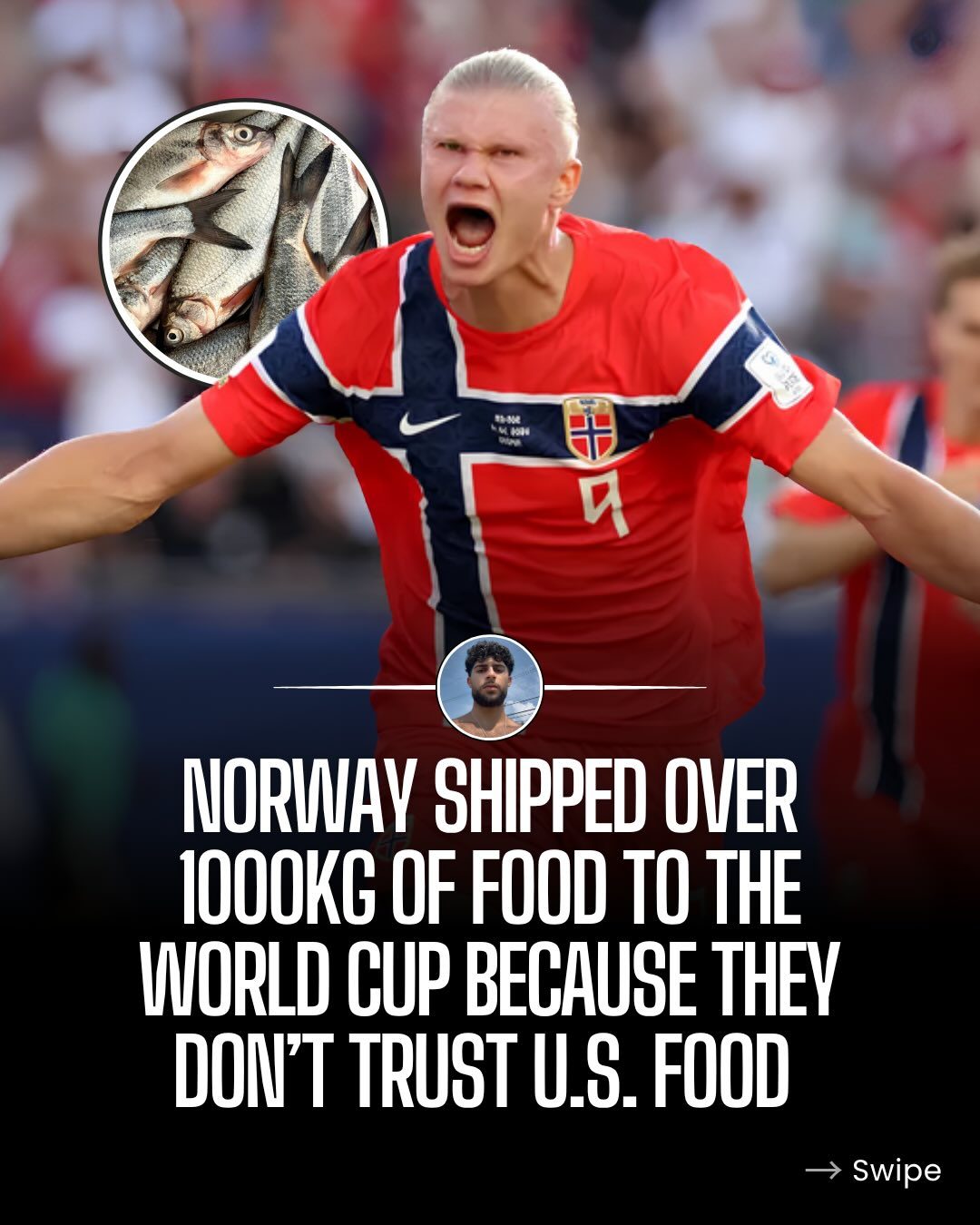
Norway Brings Icelandic Food to the World Cup
The Norwegian national team has taken an unprecedented approach to ensure their players' performance at the World Cup. By shipping over 1,000 kilograms of food to the tournament, they aim to maintain a consistent, high-quality diet tailored to their athletes' needs.
Context / Why this Matters
Food plays a critical role in the performance of athletes. Nutritional strategies can significantly impact energy levels, recovery, and overall health. For teams competing in major tournaments like the World Cup, maintaining a familiar and optimal diet becomes even more crucial. Norway's decision to bring their own food reflects a commitment to controlling every aspect of their players' well-being, ensuring they are in peak condition to compete at the highest level.
Main Discussion
The Importance of Familiar Food
Norway's strategic move to bring their own food is rooted in the belief that familiar food can enhance performance. The team shipped 300 kilograms of salmon and white fish to ensure the athletes get high-quality protein. Salmon is rich in omega-3 fatty acids, which are known to reduce inflammation and support heart health. White fish offers lean protein, aiding in muscle repair and growth. By providing these familiar staples, Norway ensures their players can focus on their performance without worrying about dietary changes.
The Role of Traditional Cheese
In addition to fish, Norway brought 116 kilograms of traditional Norwegian brown cheese. Brown cheese, also known as brunost, is a Norwegian specialty made from a blend of goat and cow milk. It is rich in protein, calcium, and vitamins, making it a valuable addition to the athletes' diet. The cheese not only provides nutritional benefits but also serves as a comforting reminder of home, which can positively affect mental well-being and morale.
Hydration and Nutrition
Norway also packed 6,000 oranges to ensure their athletes stay hydrated and energized. Oranges are high in vitamin C, which supports the immune system and aids in recovery. Hydration is crucial for athletes, especially during intense physical activities, and oranges provide a natural and refreshing way to stay hydrated.
The Importance of Elite Chefs
To prepare these high-quality meals, Norway sent three elite Norwegian chefs. These chefs are experts in creating nutritionally balanced and delicious meals designed to meet the specific needs of elite athletes. Their role goes beyond cooking; they ensure that the meals are not only nutritious but also appealing, making it easier for the players to adhere to their dietary plan.
Practical Tips
Norway’s approach to nutrition at the World Cup offers several practical tips for athletes and coaches:
-
Plan Ahead for Nutrition: Whether competing in a major tournament or training for a local event, athletes should prepare their meals in advance. This ensures they have access to the specific nutrients they need to perform at their best.
-
Focus on High-Quality Protein: Incorporating high-quality proteins like salmon and white fish into daily meals can enhance muscle repair and growth. Foods rich in omega-3 fatty acids, as salmon offers, can also reduce inflammation and support overall health.
-
Hydrate Regularly: Staying hydrated is key to maintaining peak performance. Incorporate hydrating foods like oranges into your diet to ensure you stay refreshed and energized.
-
Enlist Expert Help: Consider working with a nutritionist or chef who specializes in athletic diets. They can help create balanced and appealing meals that meet the specific needs of athletes.
Important Takeaways
Norway's decision to bring over 1,000 kilograms of food to the World Cup is a testament to their commitment to the players' performance and well-being. By ensuring that their athletes have access to familiar, high-quality food, they aim to maintain consistency in their nutrition, which can significantly impact their performance on the field.
Conclusion
Sports teams worldwide are taking innovative approaches to optimize performance. Norway's decision to ship their own food for the 2026 World Cup highlights the importance of nutrition in athletic success. From high-quality protein sources to elite chefs, every aspect of their nutrition strategy is designed to give their players the best possible chance to excel. This approach not only ensures optimal physical performance but also provides a sense of familiarity and comfort, which can positively impact mental well-being and morale.
Watch the Reel
Questions readers ask
Why did Norway choose to bring 1,000 kilograms of traditional food to the World Cup?
The Norwegian football team brought a large shipment of traditional foods to maintain a consistent and familiar diet. This ensures that they can control the quality of their food and maintain optimal nutrition during the tournament.
What specific foods are included in Norway's World Cup food shipment?
Norway's food shipment includes traditional staples such as salmon, white fish, and brown cheese. These foods are chosen for their nutritional benefits and familiarity to the players.
How does traditional Norwegian food benefit the football team's performance?
Traditional Norwegian foods like salmon and white fish are rich in proteins and healthy fats, which support muscle recovery and energy levels. Additionally, the familiarity of these foods can positively impact the players' mental well-being, reducing stress related to dietary changes.
What role does brown cheese play in the Norwegian football team's diet?
Brown cheese is a Norwegian staple that is high in protein and calcium, which are crucial for muscle recovery and bone health. It also provides a sense of familiarity and comfort to the players, helping to maintain their mental well-being during the tournament.
How does Norway's food strategy differ from other teams' approaches to nutrition at the World Cup?
While other teams may rely on local food options or have their own nutritionists, Norway's approach stands out due to the large quantity and specific nature of the food they bring. This ensures a high level of control over their diet and adherence to their nutritional plan, rather than adapting to local diets or relying on unfamiliar meal options.
What would happen if a team wouldn’t eat familiar food during a major tournament?
Without familiar food, athletes might experience discomfort, decreased appetite, or even gastrointestinal issues. Familiar foods help athletes maintain their weight and energy levels. Furthermore, the comfort and familiarity can reduce mental stress and improve overall well-being.
How does Norway's food strategy support the mental well-being of the players?
By bringing familiar foods, Norway ensures that their players do not have to adapt to new tastes or ingredients. This reduces the stress associated with dietary changes and helps maintain a consistent routine, which can be comforting in a new and unfamiliar environment like the World Cup.
Related deep dives
Similar reads based on topic and creator.




Recent articles
Fresh deep dives from the latest Reels we unpacked.




Comments
Be the first to comment.