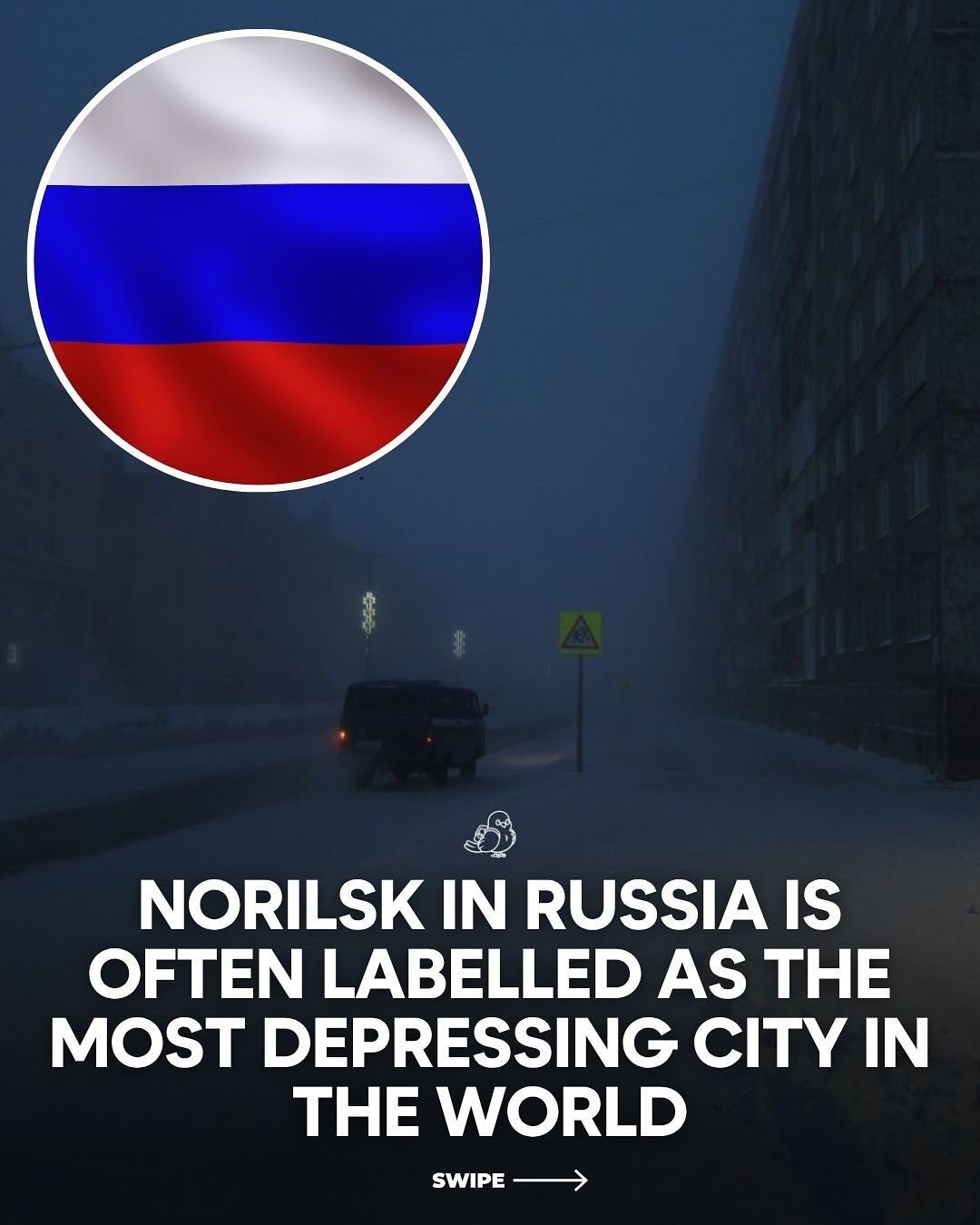
Norilsk, Russia: A City of Extreme Isolation and Pollution
Norilsk, Russia, nestled in the frozen expanse of Siberia, is often referred to as the most depressing city in the world. The title isn't unfounded; this city faces a multitude of challenges that make it one of the most inhospitable places on Earth. Let's explore the factors that contribute to Norilsk's grim reputation and the unique aspects that make it a fascinating study in resilience.
Context / Why This Matters
Understanding Norilsk is not just about exploring an extreme environment; it's about grasping the complex interplay of industrialization, climate, and human endurance. This city, located above the Arctic Circle, provides a stark example of how human activities can shape—and often, scar—the environment. Its story serves as a reminder of the consequences of unchecked industrialization and the resilience of communities living in the harshest conditions.
Main Discussion
The Environmental Impact of Industrialization
Norilsk's primary industries revolve around massive nickel and copper smelting plants. These operations release millions of tons of sulfur dioxide annually, creating a persistent grey sky and even staining rivers red from toxic runoff. The environmental toll is immense. Large areas of the surrounding tundra are severely damaged, and the health of locals is at constant risk. Respiratory illnesses, cancers, and other health issues are common, making daily life extremely challenging.
Historical and Geographical Isolation
Norilsk's origins are deeply rooted in the Soviet era, built on the labor of Gulag prisoners. These individuals endured unimaginable Arctic conditions to construct the city's stark Soviet-era buildings. This historical context adds a layer of somberness to the city's landscape. The harsh winters, with temperatures dropping below –50°C, and the extended periods of darkness during winter further deepen the isolation and hardship endured by its residents.
The Permanent Grey Sky and Health Risks
The most striking visual aspect of Norilsk is its perpetually grey sky, a result of the constant pollution from the smelting plants. This has not only affected the climate but also the mental and physical health of its residents. The air quality is among the worst in the world, leading to a myriad of health issues that significantly impact the quality of life for locals.
Renewal and Hope Amidst the Desolation
Despite the bleakness, signs of renewal are emerging in Norilsk. The upcoming Arctic Museum of Modern Art is a beacon of hope, symbolizing transformation and a new chapter for the city. This cultural initiative could play a significant role in revitalizing the community, providing both a cultural hub and an economic boost, offering a brighter future for its residents.
The Role of the Gulags in Norilsk's Development
Norilsk's story is also a story of a dark past. The city's construction was largely driven by forced labor from Gulags, a grim reminder of the brutal regime that once governed Russia. The harsh conditions and endless darkness of the Arctic landscape made the labor even more brutal. This historical context adds a layer of somberness that is impossible to separate from the city's narrative.
Practical Tips
If you are planning to visit Norilsk, it's crucial to be well-prepared. Here are some practical tips:
- Travel During Summer: The winter months in Norilsk can be life-threatening due to extreme cold and continuous darkness. Plan your visit during the summer when temperatures are relatively warmer and daylight is more abundant.
- Protect Your Health: Ensure you bring appropriate gear to protect against pollution. Consider wearing masks and carrying respiratory aids.
- Stay Informed: The city's harsh conditions and health risks require constant vigilance. Stay informed about local health advisories and environmental conditions.
- Respect the History: Understand and respect the city's historical context. Visit historical sites to understand the past better.
Important Takeaways
Norilsk stands as a testament to the resilience of human communities, even in the face of extreme environmental and historical challenges. Its story is one of struggle and hope, where the harshness of nature and the legacy of human suffering coexist with the promise of a brighter future. The city's transformation, symbolized by initiatives like the Arctic Museum of Modern Art, highlights the potential for renewal and growth in even the most degraded environments.
Conclusion
Norilsk, with its bleak climate and historical scars, offers a unique perspective on the resilience of human communities. The city's challenges, from extreme environmental pollution to historical isolation, serve as a stark reminder of the impact of industrialization and the strength of human endurance. Yet, within this bleakness, there is hope. Initiatives like the upcoming Arctic Museum of Modern Art show that even in the coldest, darkest corners of the world, there is potential for renewal and transformation.
Watch the Reel
Questions readers ask
What makes Norilsk one of the harshest cities to live in the world?
Norilsk's extreme isolation, severe pollution, and harsh Arctic climate create unique challenges that make it one of the harshest cities to live in. The city experiences long, dark winters and short summers, with temperatures often dropping below -40°C (-40°F). Additionally, industrial activities have led to significant environmental degradation, affecting air and water quality.
What is the primary source of pollution in Norilsk?
The primary source of pollution in Norilsk is industrial activities, notably metal smelting and mining. These processes emit significant amounts of heavy metals and sulfur dioxide into the air, contributing to severe air pollution and environmental degradation.
How does the severe climate of Norilsk affect daily life?
The severe Arctic climate in Norilsk impacts daily life in numerous ways. Residents must contend with extreme cold, limited daylight during winter, and challenging travel conditions. Infrastructure and housing are designed to withstand the harsh weather, but daily activities can still be significantly disrupted.
What is it like to live in Norilsk with its extreme isolation?
Living in Norilsk means dealing with extreme isolation, which can lead to feelings of disconnection from the rest of the world. Access to goods and services can be limited, and social interactions tend to be within a small, close-knit community. Despite the challenges, many residents have developed strong community bonds and resilience.
What industries contribute to the pollution in Norilsk?
The primary industries contributing to pollution in Norilsk are metal mining and smelting. These activities release large amounts of pollutants, including heavy metals and sulfur dioxide, into the air and water. The Norilsk Nickel company is a major contributor, making it one of the world's most polluted cities.
How does Norilsk's industrialization impact its environment?
Industrialization in Norilsk has led to significant environmental damage. The city is known for its severe pollution, which affects both air and water quality. Heavy metals and sulfur dioxide from industrial processes contribute to acid rain and soil contamination, making it one of the most polluted cities in the world.
What are some of the unique aspects of living in Norilsk, Russia?
Living in Norilsk presents unique aspects such as a strong sense of community, resilience, and unique infrastructure built to withstand the harsh climate. Despite the challenges, residents have adapted to the extreme conditions, creating a fascinating study in human endurance and adaptation.
Related deep dives
Similar reads based on topic and creator.



Recent articles
Fresh deep dives from the latest Reels we unpacked.




Comments
Be the first to comment.