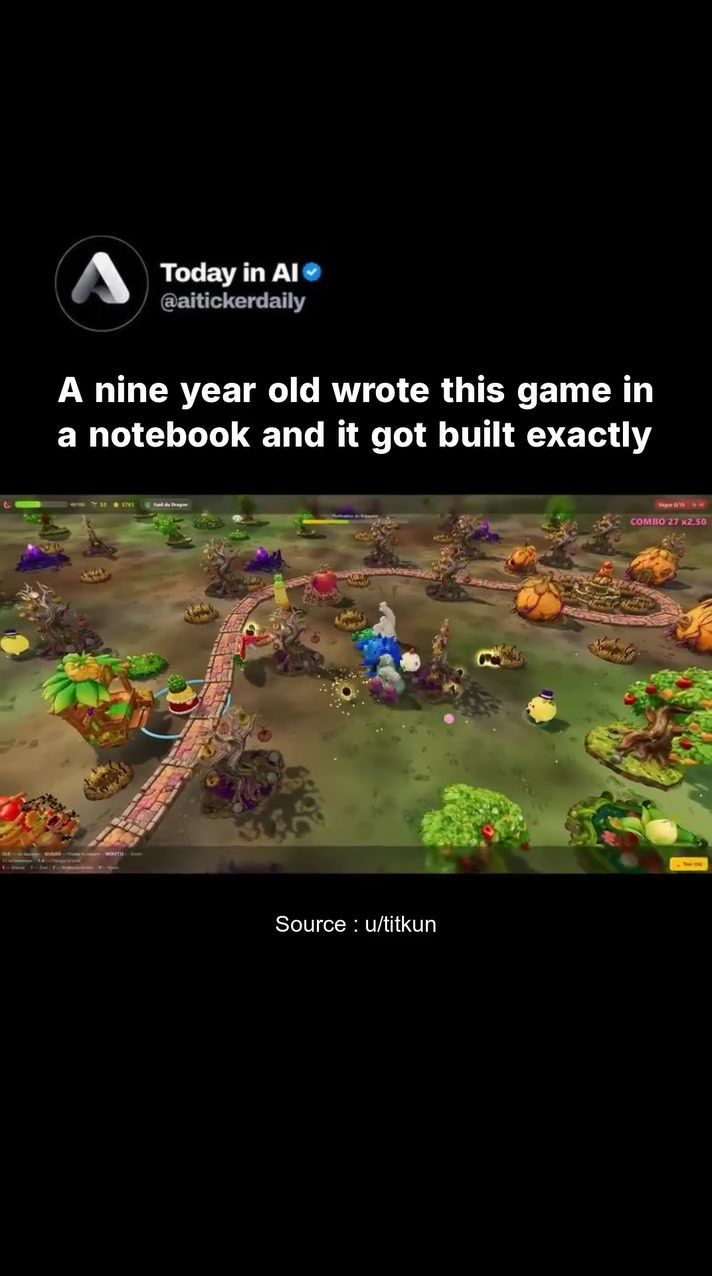
The Game Design Notebook: Le Royaume des Pepins
A unique collaboration between two nine-year-olds and game developers has resulted in a delightful game, Le Royaume des Pepins. This project showcases the power of creative imagination and the importance of translating a concept from concept to game design. The original game design document — or "design doc" — was written in a notebook and included illustrations that were pivotal to the final game. This notebook, a testament to the kids' creativity, included a story about a watermelon slice's quest to purify a kingdom and defeat an army of germs.
Context: The Power of Young Imagination
Designing a game usually involves a meticulous process that includes extensive documentation, design language, and artistic expertise. However, the development of Le Royaume des Pepins took a unique route by directly translating the concepts and artwork from a nine year old's notebook, which allowed the game to retain the innocence, creativity, and charm of the original idea.
From Notebook to Gameplay
The Original Concept
The game's design began with a simple yet engaging story: a watermelon slice lives in a happy town, encountering a lemon who warns of an army of germs approaching. The watermelon learns to seek weapons from a market to fight back. This basic premise was transformed into Le Royaume des Pepins, a game where the player takes on the role of the watermelon, purifies the kingdom, and battles against the invading germs. The simplicity of the original story allows it to retain its playful nature.
Translating the Notebook
A crucial aspect of Le Royaume des Pepins' success is the direct translation of the notebook's content. Instead of rewriting the children's descriptions into formal design language, the developers typed the notebook content nearly verbatim. This approach ensured that the game retained the unique voice and perspective of the young designers. The illustrations drawn by the children were used to guide the art direction, resulting in characters that looked like the ones the kids had imagined rather than generic AI-created fruit.
The Core Verb
The heart of the game is the action verb that defines the watermelon's purpose. When asked what the watermelon does, one of the children responded, "purify." This simple yet powerful verb became the cornerstone of the game. Every element of the game, from the mechanics to the storyline, was built around the concept of purification. This focus gave the game a clear direction and a strong narrative drive.
The Power of Simple Feedback
One of the most telling moments in the development process was a simple but effective bug report. A nine-year-old played the game for about thirty seconds and noted, "the germs are too slow." This immediate and honest feedback from a child was more insightful than many detailed reports from adults. It highlights the importance of staying true to the original ideas and the simplicity of childlike logic in problem-solving.
Practical Tips for Game Design
Embrace Simplicity
One of the key takeaways from Le Royaume des Pepins is the importance of simplicity. The game's design is straightforward, focusing on a clear objective and a simple narrative. This simplicity makes the game accessible and engaging for a wide audience.
Retain the Original Voice
When translating ideas from a notebook or concept document, it's crucial to retain the original voice and perspective. This ensures that the final product remains true to the original concept and retains its unique charm. Not doing so means it loses its original essence, which is the core of what makes it special and unique.
Use Illustrations as a Guide
The artwork in Le Royaume des Pepins was directly inspired by the illustrations in the notebook. This approach ensures that the visuals of the game are consistent with the original vision. Using illustrations as a guide can help maintain the artistic integrity of the game and make it more relatable to the audience.
Value Simple Feedback
Feedback from users, especially young ones, can be incredibly valuable. Simple, straightforward comments can often point out issues that more detailed reports might miss. Valuing and acting on such feedback can significantly improve the overall quality of the game.
Important Takeaways
Maintain Simplicity
Le Royaume des Pepins demonstrates the power of simplicity in game design. The straightforward narrative and clear objectives make the game engaging and accessible.
Stay True to the Original Concept
The game's success lies in its faithful translation of the original notebook content. This approach ensures that the game retains its unique charm and voice.
Art Direction
Using the original artwork as a reference for the game's visuals ensures that the game's aesthetic remains true to the original concept, making it more relatable to the audience.
Feedback
Simple, straightforward comments from young players can provide valuable insights and help improve the game. This type of feedback is invaluable in the development process.
Conclusion
Le Royaume des Pepins is a testament to the power of creativity and simplicity in game design. By staying true to the original concept and retaining the unique voice and perspective of the young designers, the game has managed to capture the imagination of players. The importance of using illustrations as a guide and valuing simple feedback cannot be overstated. These elements have contributed to the game's success and have made it a delightful addition to the gaming world.
Watch the Reel
Questions readers ask
How did the notebook design of two nine-year-olds turn into a real game?
The two nine-year-olds created a detailed game design document in their notebook, complete with illustrations. Game developers then used this original concept to create the video game Le Royaume des Pepins, preserving the kids' creative vision throughout the process.
What is the storyline of Le Royaume des Pepins?
The game follows a watermelon slice on a quest to cleanse a kingdom overrun by an army of germs. This quirky storyline was originally conceived by the nine-year-old designers and translated into the final game.
Who were the key contributors to the game's development?
The primary contributors were two nine-year-old children who created the original concept and design doc, and the game developers who brought the kids' vision to life in the form of a charming video game.
What makes the design process of Le Royaume des Pepins unique?
Unlike typical game design processes, Le Royaume des Pepins began with a notebook filled with the imaginative ideas of two young children. This unique starting point highlights the power of young imagination in game development.
What role did the notebook play in the development of Le Royaume des Pepins?
The notebook served as the foundational design document for the game. It included illustrations and the storyline, which were crucial in guiding the game developers to create a final product that stayed true to the original concept.
Why is preserving the original essence of a concept important in game design?
Preserving the original essence ensures that the unique and imaginative aspects of the concept are maintained. This is particularly important when the concept comes from a creative source, such as the nine-year-olds who designed Le Royaume des Pepins.
What can other young game designers learn from the creation of Le Royaume des Pepins?
This project demonstrates that age is no barrier to creative game design. Young designers can learn the importance of documenting their ideas thoroughly and collaborating with professionals to bring their imaginative concepts to life.
Related deep dives
Similar reads based on topic and creator.



Recent articles
Fresh deep dives from the latest Reels we unpacked.




Comments
Be the first to comment.