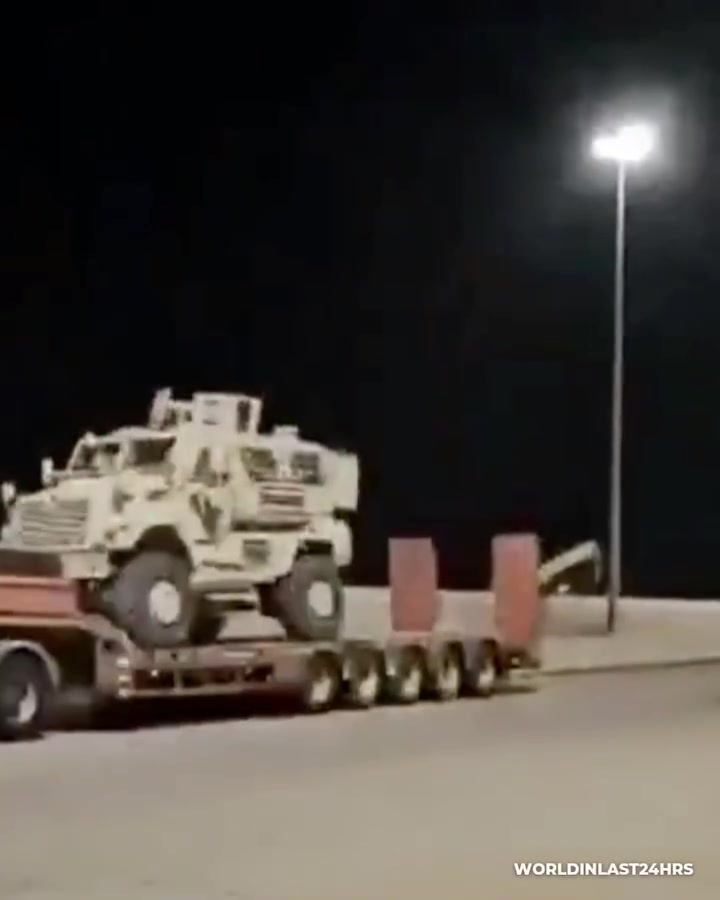
Navigating the Nightshift — The Freightways after Dark
Truck driving can be a dreary life, but that's doubly-so at night. And yet, every year, millions of freight shipments happen on the back of nighttime trucking. Nighttime driving can be more efficient for drivers and trucks, thanks to a number of factors. Drivers are often able to get more consistent miles with less traffic on the road. Drivers are less likely to encounter hazards like road debris or aggressive drivers. The trade-off for efficiency is lower visibility.
The late marksman's dance
At the heart of the world's supply chain, trucking at night is a distinctive subculture of long-haul drivers. These drivers navigate highways that are slick with rain and wet tar or streaked with oil and grease. They often see the lights of their trucks and fellow vehicles as their only friends, as they navigate dark roads for hours at a time. The art of the job is balancing mental alertness, restrained urgency, the gentle acceleration of a heavy vehicle. Drivers can experience a sense of isolation and fatigue, but the reward is often a job well done and the satisfaction of knowing that their work is essential to the economy. Drivers navigate tight turns, maintain caution, and maintain speed control to ensure the safety of themselves and others on the road. There's a steady rhythm to the road, drivers must often remain alert and focused on the task at hand, and avoid distractions or hazards that can arise at night, which requires constant vigilance and quick reaction times. Truckers have to be able to adapt to changing conditions and stay safe.
An overlooked field
With millions of miles driven at night and on highways around the world, nighttime trucking plays a vital role in keeping the global economy moving. Truck drivers frequently transport goods and products at night, aiding in the continuous flow of goods and getting them to their destinations. This is the silent, unseen side of the global supply chain. But considering some recent OCR text from the video, it turns out that there are some pretty unique trucker networks, like WORLDIANLAST24HRS. Without details, how these might work in practice is up to speculation. But it's clear that the modern trucking industry uses communication and coordination.
### The Road's Dark Rhythm
Truckers use an intricate dance of artificial lighting to manoeuvre safely. The headlights of a truck are crucial for navigating the road at night, illuminating the path ahead and ensuring that the driver can see potential hazards. Nighttime truckers use their lights, windshield, mirrors, and other tools to ensure that their trips are safe and uneventful. These elements combine to create an informal symbiosis with other drivers on the road.
### Comrades of the Road
Drivers are often able to communicate effectively with their fellow drivers, using the headlights and taillights of their vehicles to navigate the road. They know that it's all about mutuality, they know that it's all about making the world go round. So with only a few exceptions, they respect each other, they help each other, and they appreciate each other.
### The Dangers of Night Driving
Nighttime driving can be more hazardous for truckers, because of the altered visibility conditions. With less traffic comes a greater chance of encountering animals on the road, dealing with difficult weather, and navigating unfamiliar routes.
### Constant Vigilance
At night, truckers' work is more than just hauling cargo — it’s also about maintaining the most attention to the safety of the entire journey. The switching between lights on and off allows for a smoother transition for other drivers, minimizing the disruption in nighttime driving. Truckers have to be able to adapt to changing conditions and stay safe. Drivers may adjust their speed and turn on their hazard lights.
### How a Truck Functions
The average truck is designed with several key components that work together to facilitate safe and efficient driving. Headlights, taillights, a windshield, mirrors, and a smartphone aid in navigating the road and communicating with other drivers. Drivers adjust speed, often using cruise control, and take breaks to ensure that they remain alert and focused on the task at hand.
### The Dangers of Trucking at Night
Trucking at night can be more hazardous due to factors like reduced visibility, increased fatigue, and potential hazards on the road. Drivers must be vigilant and adapt to changing conditions in order to ensure their safety and the safety of others.
### Coping with the Fatigue
To cope with fatigue, truck drivers have several strategies. Drivers can take regular breaks to replenish their energy and avoid distractions. Drivers can also use tools like mirrors, headlights, and taillights to navigate the road and communicate with other drivers. Taking short breaks and maintaining a healthy lifestyle can help prevent fatigue. The physical act of driving is itself an exercise in vigilance against fatigue and sleepiness that could be deadly at high speeds.
### Why Drivers do it
For many truck drivers, the appeal of night driving is simple: easier navigation, reduced traffic, and better sleep. Regular driving hours can be more difficult to manage, and nighttime driving can provide a more predictable work schedule. Night driving can be more convenient, allowing drivers to complete their shifts during fewer waking hours. Night driving can also be less crowded, allowing for easier navigation and quicker trips.
Navigating to another security
Nighttime trucking is a unique and essential aspect of the transportation industry, but it comes with its own set of challenges and risks. There's no question that drivers have to be able to adapt to changing conditions and stay safe. Drivers must navigate these challenges in order to ensure the safe and efficient delivery of goods and products. But altogether, despite the dangers and the drudgery, the work itself is also a convergence of discipline, companionship, and community, and in that sense, it's anything but monotonous.
Watch the Reel
Questions readers ask
What makes nighttime trucking more efficient for drivers and trucks?
Nighttime trucking can be more efficient due to less traffic, which allows drivers to maintain a more consistent speed and cover more miles. Additionally, there are fewer hazards like road debris or aggressive drivers, which can make the journey smoother. However, the trade-off is lower visibility, which requires extra vigilance.
Why do truckers use their headlights and taillights to communicate with each other on the road?
Truckers use their headlights and taillights as a form of non-verbal communication to navigate the road safely. For example, a quick flash of headlights can signal to another driver that it's safe to pass, or a tap on the brakes can warn others of a potential hazard ahead. This mutual respect and communication help maintain safety and coordination on the road.
How do truckers stay alert and focused during long nighttime drives?
Truckers have to balance mental alertness and restrained urgency, maintaining a steady rhythm while navigating the road. They must remain constantly vigilant, reacting quickly to any distractions or hazards that can arise. The sense of isolation and fatigue can be challenging, but the satisfaction of a job well done and the knowledge that their work is essential to the economy can be a driving motivation.
What is the significance of nighttime trucking in the global supply chain?
Nighttime trucking plays a crucial role in keeping the global economy moving. By transporting goods and products at night, truckers aid in the continuous flow of goods, ensuring they reach their destinations efficiently. This unseen side of the supply chain is vital for maintaining the steady flow of commerce around the world.
What is the WORLDIANLAST24HRS network and how does it contribute to nighttime trucking?
The WORLDIANLAST24HRS network is a unique trucker network mentioned in the article. Details are unclear, but it likely involves communication and coordination among drivers to ensure smooth and efficient nighttime operations. Such networks can help with sharing information about road conditions, hazards, and support, enhancing the overall safety and efficiency of nighttime trucking.
Recent articles
Fresh deep dives from the latest Reels we unpacked.




Comments
Be the first to comment.