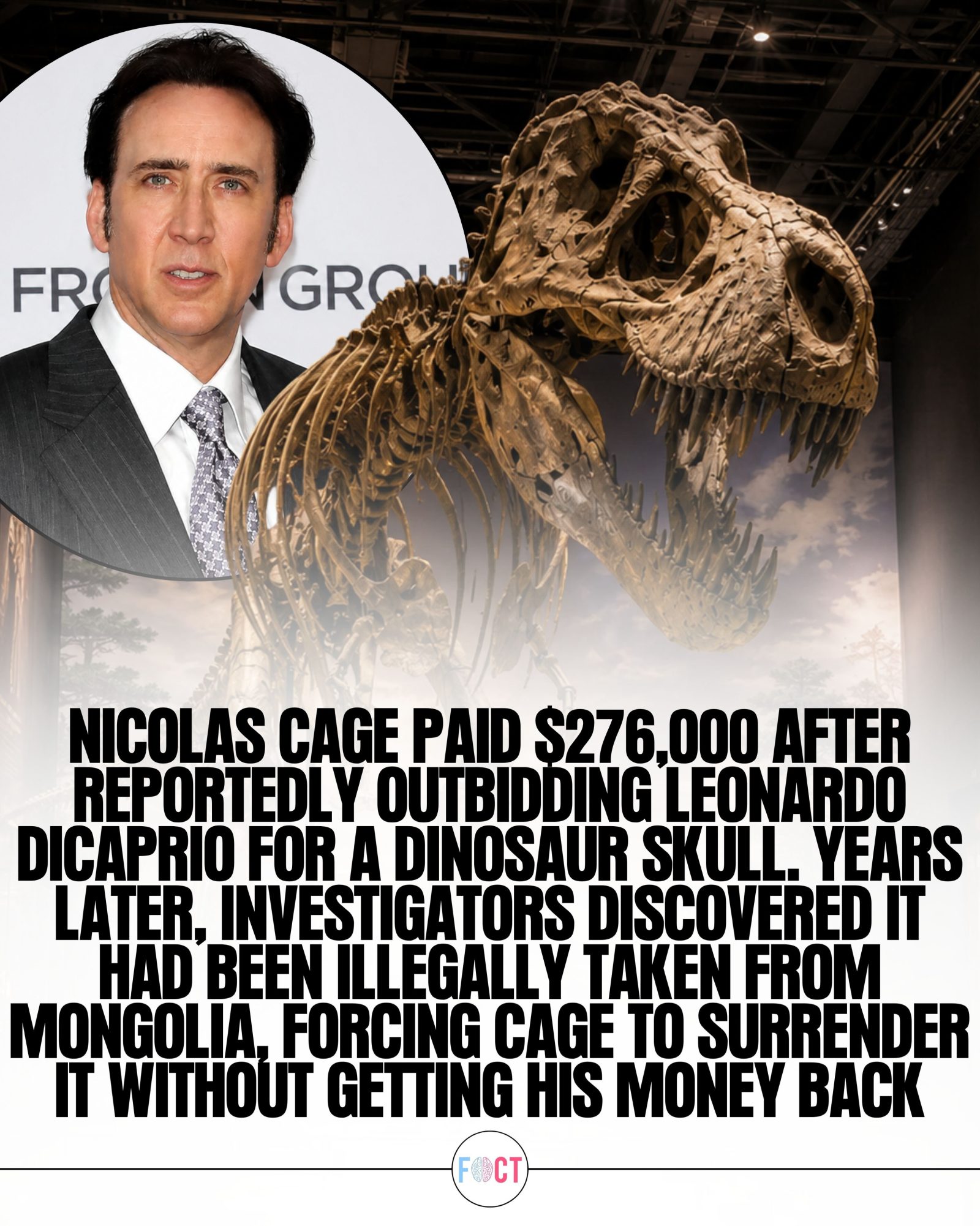
Nicolas Cage and the Controversial Dinosaur Skull
The story of Nicolas Cage and his purchase of a Tyrannosaurus bataar skull is a tale of high-stakes bidding, international law, and the complexities of the fossil market. In 2007, Cage bought the rare fossil for $276,000 from a Beverly Hills gallery, reportedly outbidding fellow A-lister Leonardo DiCaprio in the process. However, the excitement of the acquisition quickly turned into a legal ordeal when it was revealed that the skull had been illegally removed from Mongolia. The fossil was eventually surrendered to the Mongolian government.
Context: The Allure of Dinosaur Fossils
The fossil market is a thriving industry, with dinosaur bones being among the most coveted items. These prehistoric relics offer a tangible connection to the past, making them highly desirable for collectors and museums alike. However, the market is not without its controversies. Illegal excavation and smuggling are significant issues, often fueled by the high demand and lucrative prices that fossils can fetch.
The Tyrannosaurus Bataar Skull
The Tyrannosaurus bataar is a species of tyrannosaurid dinosaur that roamed Mongolia during the Late Cretaceous period. Its skull is particularly prized for its size and the intriguing details it offers about prehistoric life. The specimen in question was a rare and impressive find, making it a coveted prize for any collector.
The Beverly Hills Purchase
In 2007, Nicolas Cage acquired the Tyrannosaurus bataar skull from a gallery in Beverly Hills. The purchase price of $276,000 reflected the skull's rarity and desirability. Cage's acquisition was notable not just for the price but also because it involved outbidding Leonardo DiCaprio, another high-profile celebrity with a known interest in paleontology and collecting.
The Discovery of Illegal Origins
Federal investigators later discovered that the skull had been illegally removed from Mongolia. This revelation turned the high-profile purchase into a legal quagmire. The illegal excavation and smuggling of fossils from Mongolia are not uncommon, driven by the high demand and lucrative market for dinosaur bones. The legal implications of such activities are severe, and the Mongolian government has been vigilant in pursuing the return of illegally obtained fossils.
Nicolas Cage's Involvement
Cage was not accused of knowing that the skull was stolen at the time of purchase. However, the legal complexities surrounding the fossil trade meant that he had to surrender the skull to the Mongolian government. This decision was a significant loss for Cage, as he did not receive any refund for the $276,000 he had paid. The episode underscores the challenges and risks involved in the fossil market, even for high-profile buyers.
Practical Tips: Navigating the Fossil Market
For those interested in collecting fossils, it's essential to be aware of the legal and ethical considerations involved. Here are some practical tips:
Research and Documentation
Before purchasing any fossil, conduct thorough research to ensure it was legally obtained. Authentic fossils often come with detailed provenance documentation, including their origins and ownership history. Be wary of any documents that appear incomplete or suspicious.
Professional Help
It can be beneficial to consult with a reputable fossil dealer or expert to ensure the legality and authenticity of your purchase. These professionals can provide valuable insights and help you navigate the complexities of the fossil market.
Legal Compliance
Always adhere to international laws and regulations regarding the purchase and import of fossils. Purchase only from reputable sources that can confirm the legal provenance of their items. Be wary of items from countries with strict export laws, as they may have been illegally obtained.
Museums and Institutions
Consider supporting museums and institutions that focus on paleontology. Many of these organizations have extensive collections of fossils and can offer educational resources and insights into the world of paleontology.
Ethical Considerations
Beyond legal considerations, it's crucial to think about the ethical implications of fossil collecting. Some fossils, particularly those from endangered or illegally excavated sites, may have significant cultural or historical value. Consider the impact of your purchase on these sites and communities.
Important Takeaways
The story of Nicolas Cage's Tyrannosaurus bataar skull is a reminder of the complex and often dangerous world of fossil collecting. It highlights the need for thorough research, legal compliance, and ethical considerations when engaging in this field.
Conclusion
The acquisition and subsequent surrender of the Tyrannosaurus bataar skull by Nicolas Cage serves as a cautionary tale for collectors and enthusiasts. It underscores the importance of due diligence, professional guidance, and adherence to legal and ethical standards in the fossil trade. By being informed and cautious, collectors can contribute to the preservation of our paleontological heritage while avoiding the pitfalls of the illegal fossil market.
Watch the Reel
Questions readers ask
What specific dinosaur fossil did Nicolas Cage purchase in 2007?
Nicolas Cage bought a Tyrannosaurus bataar skull in 2007 for $276,000. This purchase was made during a high-stakes auction where he outbid Leonardo DiCaprio.
Why did Nicolas Cage's purchase of the dinosaur skull lead to legal issues?
The legal issues arose because the Tyrannosaurus bataar skull had been illegally excavated from Mongolia. The Mongolian government sought the return of the fossil, leading to a complex legal battle.
What was the outcome of the legal battle over the dinosaur skull?
The legal battle ended with Nicolas Cage surrendering the dinosaur skull to the Mongolian government. This resolution highlighted the legal complexities and international laws surrounding the fossil market.
How did the incident involving Nicolas Cage's dinosaur skull shed light on the fossil market?
The incident underscored the controversial side of the dinosaur fossil market, highlighting issues such as illegal excavation and the high stakes involved in acquiring rare fossils.
What role did Leonardo DiCaprio play in the story of Nicolas Cage's dinosaur skull purchase?
Leonardo DiCaprio was involved in the bidding process for the Tyrannosaurus bataar skull. Nicolas Cage outbid him to acquire the rare fossil, but the excitement of the purchase quickly turned into a legal ordeal.
What makes dinosaur fossils so alluring to collectors like Nicolas Cage?
Dinosaur fossils are highly sought after due to their rarity and the tangible connection they provide to prehistoric times. The allure lies in their uniqueness and the history they represent.
What legal challenges are associated with the dinosaur fossil market?
The fossil market faces legal challenges related to international laws and the illegal excavation of fossils. Incidents like the one involving Nicolas Cage and the Tyrannosaurus bataar skull illustrate the complexities and risks associated with purchasing rare dinosaur fossils.
Related deep dives
Similar reads based on topic and creator.



Recent articles
Fresh deep dives from the latest Reels we unpacked.




Comments
Be the first to comment.