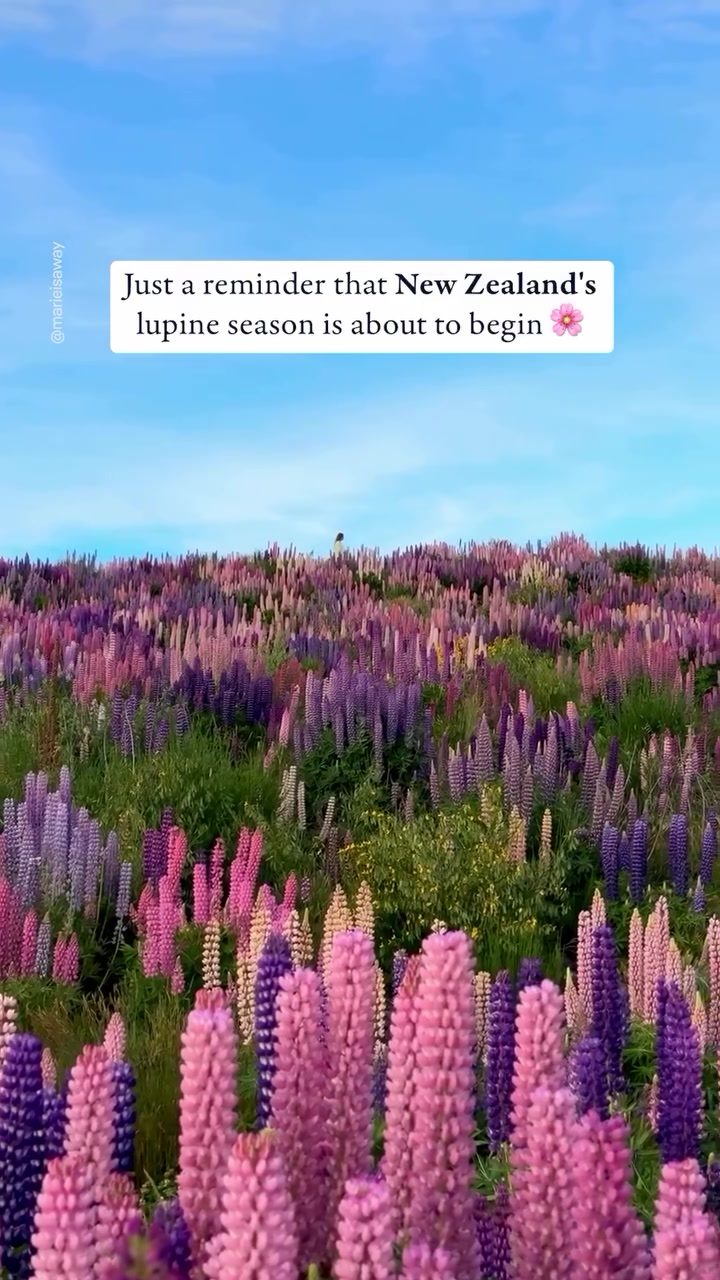
New Zealand Lupine Season
New Zealand's South Island is on the cusp of a spectacular transformation as the lupine season approaches. From mid-to-late November through early January, vibrant fields of lupins in brilliant pinks, purples, and blues sweep across the landscape, turning ordinary fields into enchanting fairytale settings. This natural phenomenon is a delight for viewers and visitors.
Why This Matters
The lupine season is more than just a burst of color; it's a cultural and natural event that draws locals and tourists alike. The flowers, which carpet the landscapes of the South Island, not only add beauty to the region but also serve as a reminder of the area's unique biodiversity. These flowers transform the landscape into a visual feast, with their vibrant hues contrasting beautifully against the lush greenery and the crisp blue skies.
The Magic of Lupines
Where to Find Them
The South Island of New Zealand is the primary destination for catching the lupine season in all its glory. Some of the top spots include:
- Lake Tekapo: A serene lake nestled in the Mackenzie Basin, Lake Tekapo is famous for its turquoise waters and the stunning backdrop of the Southern Alps. During the lupine season, the fields surrounding the lake are adorned with a kaleidoscope of colors, making it a photographer's dream.
- Mackenzie Basin: This region, including Lake Pukaki, offers vast landscapes dotted with vibrant lupins. The surrounding mountains and glaciers provide a dramatic contrast to the delicate flowers.
- Queenstown and Glenorchy: These areas are not only famous for adventure sports but also offer a unique blend of stunning views and vibrant lupins. The dramatic landscapes are enhanced by the colorful blooms, making it a must-visit destination.
- Lindis Pass: This scenic route, often used as a shortcut between Queenstown and Christchurch, becomes especially picturesque during the lupine season. The fields along the pass are a riot of colors, making it a perfect spot for a leisurely drive or a photographic adventure.
Tips for Visiting
The lupine season is a delightful experience, but it requires some planning to ensure a smooth and enjoyable visit. Here are a few tips:
Best Time to Visit
The lupine season typically runs from mid-to-late November through early January. This period offers the best viewing opportunities, but it's essential to check local conditions as the exact timing can vary.
Photographic Tips
- Lighting: The best lighting for photography is at dawn or dusk. The soft, golden light of these hours will make your lupin photos even more stunning.
- Paths and Trails: Stick to designated paths to avoid damaging the flowers and to protect the natural habitat. This also ensures that you don't miss out on the best viewing spots.
Weather Considerations
New Zealand's weather can be unpredictable, especially in the mountainous regions. It's crucial to dress in layers and be prepared for sudden changes. A good pair of walking shoes, a warm jacket, and waterproof gear can make a significant difference in your comfort level.
Respecting Nature
Respecting nature is paramount. The lupin flowers are a natural treasure, and it's essential to ensure they remain protected. Avoid picking or damaging the flowers and stay on designated paths. This not only preserves the natural beauty but also ensures that future visitors can enjoy the same experience.
Practical Tips
Getting Around
To make the most of your lupine season adventure, consider renting a car. This will give you the flexibility to explore at your own pace and visit multiple locations. Ensure you have a good GPS or map to navigate the scenic routes, as some spots can be a bit off the beaten path.
Accommodation
Accommodation options range from luxury lodges to budget-friendly hostels. Lake Tekapo and Queenstown offer a variety of choices, so plan ahead and book your stay in advance, especially during peak season.
Local Guides and Tours
Joining a guided tour can enrich your experience. Local guides can provide insights into the best viewing spots, interesting facts about the lupins, and tips on the best times to visit. Some tours also offer unique experiences like photography workshops and nature walks.
What to Pack
- Camera Equipment: A good camera and a tripod will help you capture the vibrant colors. Extra batteries and memory cards are also a good idea.
- Warm Clothing: Layered clothing, a waterproof jacket, and sturdy shoes are essential.
- Snacks and Water: Carry enough food and water to keep you energized throughout the day.
- Sun Protection: Pack sunscreen, a hat, and sunglasses to protect against the strong New Zealand sun.
Important Takeaways
- Unique Experience: The lupine season in New Zealand is a unique and unforgettable experience that every nature lover should witness at least once.
- Best Viewing Spots: The South Island, particularly Lake Tekapo, Mackenzie Basin, and Queenstown/Glenorchy, offer some of the most stunning views of the lupins.
- Weather Preparedness: Plan for unpredictable weather and dress accordingly.
- Respect Nature: Stay on designated paths and avoid damaging the flowers to preserve this natural treasure.
Conclusion
New Zealand's lupine season is a natural spectacle that transforms the South Island into a magical landscape. Whether you're a nature enthusiast, a photographer, or simply someone who appreciates natural beauty, the lupine season is an experience not to be missed. Plan your visit, capture the vibrant hues, and immerse yourself in the enchanting beauty of New Zealand's wildflowers.
Watch the Reel
Questions readers ask
When is the best time to visit New Zealand to see the lupine flowers in bloom?
The best time to visit New Zealand to witness the lupine season is from mid-to-late November through early January. During this period, the lupine flowers are in full bloom, transforming the landscapes of the South Island into vibrant displays of pink, purple, and blue.
What are the best spots for viewing lupines in New Zealand?
Some of the best spots for viewing lupines in New Zealand include Queenstown, Glenorchy, the Mackenzie Basin, and Lake Tekapo. These locations are known for their stunning displays of lupine flowers, offering visitors a breathtaking experience.
Why are the lupines such a significant event in New Zealand?
The lupine blooming season is significant in New Zealand because it is a natural phenomenon that brings vibrant colors to the South Island’s landscapes. It highlights the region’s unique biodiversity and attracts both locals and tourists, who come to marvel at the fairytale-like displays of pink, purple, and blue flowers.
Do the lupines bloom at the same time in all parts of New Zealand?
The lupine blooming season is more prevalent in the South Island and typically peaks from mid-November to January. While the main bloom time is consistent, the exact timing can vary slightly depending on the specific location and weather conditions.
What colors can be seen during the lupine season?
During the lupine season, you can see a vibrant array of colors, including brilliant pinks, purples, and blues. These colors transform the landscapes into enchanting scenes, drawing visitors from around the world to witness this natural spectacle.
How do the lupines affect the local environment?
The lupine flowers not only add beauty to the South Island but also play a role in the local ecosystem. They support pollinators and contribute to the overall biodiversity of the region, making the lupine season an important natural event beyond just its visual appeal.
Related deep dives
Similar reads based on topic and creator.




Recent articles
Fresh deep dives from the latest Reels we unpacked.




Comments
Be the first to comment.