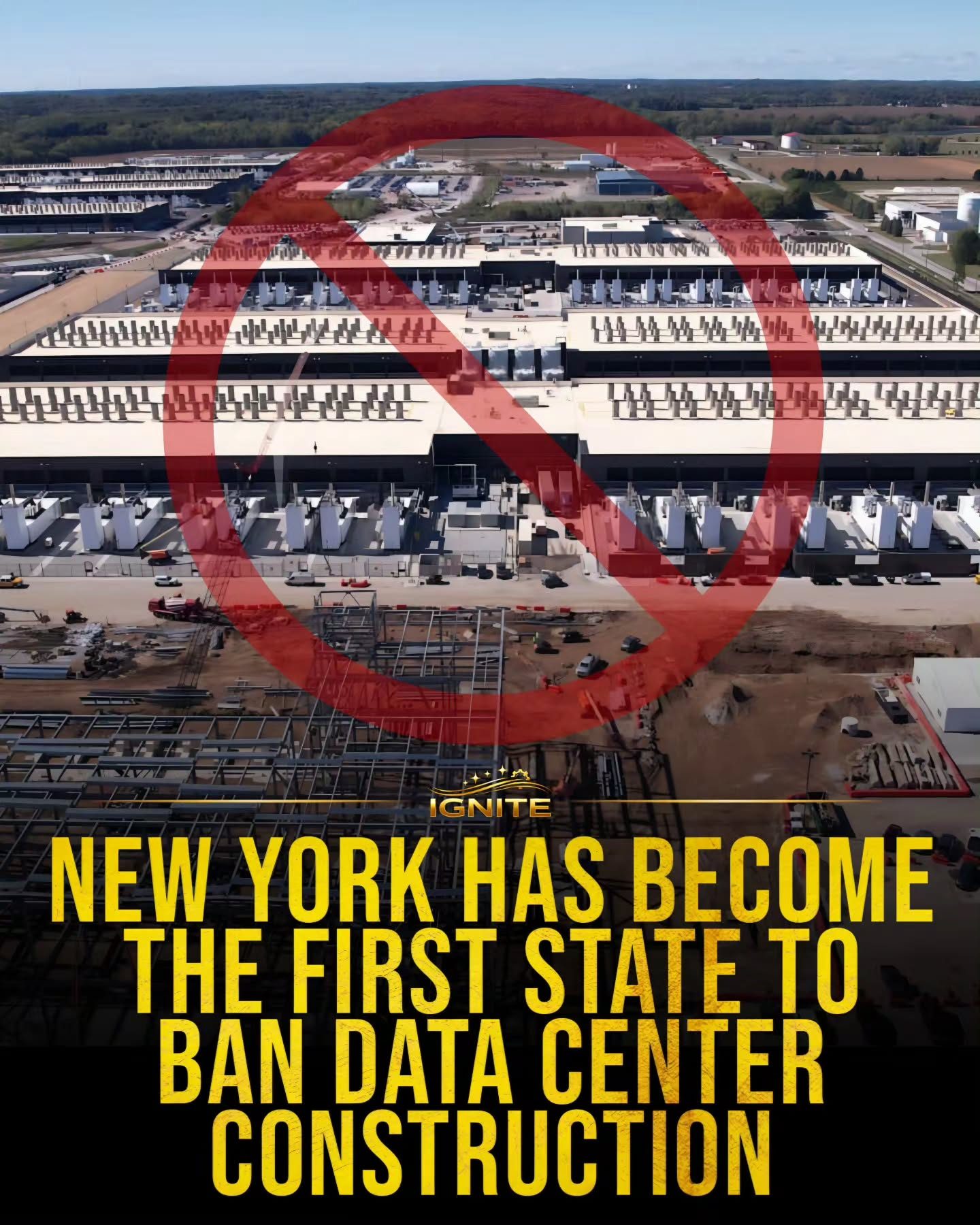
Data Center Construction Ban in New York
The state of New York has made a significant move by becoming the first in the nation to ban new data center construction. This development is part of a broader conversation about sustainability, energy consumption, and the environmental impact of digital infrastructure. This ban is a pivotal step that underscores the urgency of addressing the environmental footprint of data centers, which are increasingly crucial for modern digital operations.
Why This Matters
Data centers are the backbone of the digital age, housing the servers that power everything from cloud computing to streaming services. However, they consume vast amounts of energy and contribute to carbon emissions. By banning new data center construction, New York is taking a stand against the environmental costs of digital infrastructure, encouraging other states to follow suit.
The Environmental Impact of Data Centers
Data centers require immense amounts of energy to operate and cool their servers. This energy consumption has significant environmental implications. According to the International Energy Agency, data centers accounted for about 1% of global electricity demand in 2020, and this figure is expected to rise as digital services expand.
New York's ban is a direct response to these environmental concerns. The primary aim is to reduce the state's carbon footprint by limiting the energy demand from new data centers. This move is part of a larger initiative by New York to transition to a more sustainable future, which includes stricter regulations on energy use and emissions.
The Role of IGNITE
IGNITE, a prominent player in the data center industry, is closely involved in these discussions. While the specific implications of the ban for IGNITE are not fully clear, it is evident that the company will need to adapt to new regulations and potentially explore alternative solutions for data center construction.
The Economic Implications
The ban on new data center construction will have economic repercussions. Data centers provide jobs and stimulate local economies through construction, maintenance, and operational activities. However, the long-term benefits of reducing energy consumption and greenhouse gas emissions could offset these short-term losses. New York's ban could also spur innovation in the sector, driving the development of more energy-efficient technologies and sustainable data center designs.
Potential Alternatives and Solutions
While the ban on new data centers is a significant step, it is not the only solution. There are several alternatives and solutions that can help mitigate the environmental impact of data centers:
- Energy-Efficient Technologies: Investing in more energy-efficient hardware and cooling systems can reduce the overall energy consumption of data centers.
- Renewable Energy Sources: Transitioning to renewable energy sources like solar and wind power can drastically reduce the carbon footprint of data centers.
- Modular Data Centers: Modular data centers are pre-fabricated and can be quickly deployed, reducing construction time and energy use.
- Location Optimization: Strategically locating data centers in areas with cooler climates or nearby renewable energy sources can also help reduce energy consumption.
Practical Tips for Businesses
For businesses operating or planning to operate data centers, the ban poses new challenges and opportunities. Here are some practical tips to navigate this landscape:
- Review Existing Infrastructure: Assess the energy efficiency of your current data centers and identify areas for improvement.
- Invest in Renewable Energy: Consider transitioning to renewable energy sources to power your data centers.
- Explore Modular Solutions: Investigate modular data center solutions that can be quickly deployed with minimal environmental impact.
- Stay Informed: Keep up with the latest regulations and technological advancements in the data center industry to ensure compliance and sustainability.
Important Takeaways
New York's ban on new data center construction is a landmark decision that highlights the urgent need to address the environmental impact of digital infrastructure. Key takeaways include:
- The environmental impact of data centers is significant, and immediate action is needed to mitigate their carbon footprint.
- New York's ban is part of a broader effort to transition to a more sustainable future and reduce energy consumption.
- The ban has economic implications, but the long-term benefits of sustainability could offset these short-term losses.
- Businesses must adapt by investing in energy-efficient technologies, renewable energy sources, and exploring modular data center solutions.
Conclusion
The ban on new data center construction in New York marks a significant shift in how we approach the environmental impact of digital infrastructure. As the digital age continues to evolve, it is crucial to find sustainable solutions that balance the need for digital services with the imperative to protect our planet. By taking bold steps like this, New York is paving the way for a more sustainable future, encouraging other states and industries to follow suit.
Watch the Reel
Questions readers ask
What prompted New York to implement a ban on new data center construction?
New York's ban on new data center construction is primarily driven by the need to reduce energy consumption and carbon emissions, which are significant issues with data centers, and to promote sustainable digital infrastructure.
How does this ban affect existing data centers in New York?
The ban specifically targets new construction, so existing data centers in New York will not be affected by this legislation, except for potential future expansions.
What other states have followed New York's lead on this issue?
As of the latest updates on New York's ban, no other states have implemented a similar ban. However, New York's initiative may inspire other states to re-evaluate their policies on data centers and sustainability.
What are the energy consumption and carbon emission concerns associated with data centers?
Data centers consume vast amounts of energy to power and cool the servers that store and process digital information. This high energy consumption consequently results in substantial carbon emissions, making them a significant contributor to the carbon footprint of the tech industry.
How might this ban impact the tech industry's reliance on data centers?
The ban could encourage the tech industry to innovate in green data center practices, such as improving energy efficiency, utilizing renewable energy sources, and exploring alternative storage solutions.
What are the potential benefits of New York's data center construction ban?
The ban could lead to a reduction in the state's carbon footprint, promote the development of more energy-efficient technologies, and set a precedent for other states to consider similar measures for environmental sustainability.
Related deep dives
Similar reads based on topic and creator.




Recent articles
Fresh deep dives from the latest Reels we unpacked.




Comments
Be the first to comment.