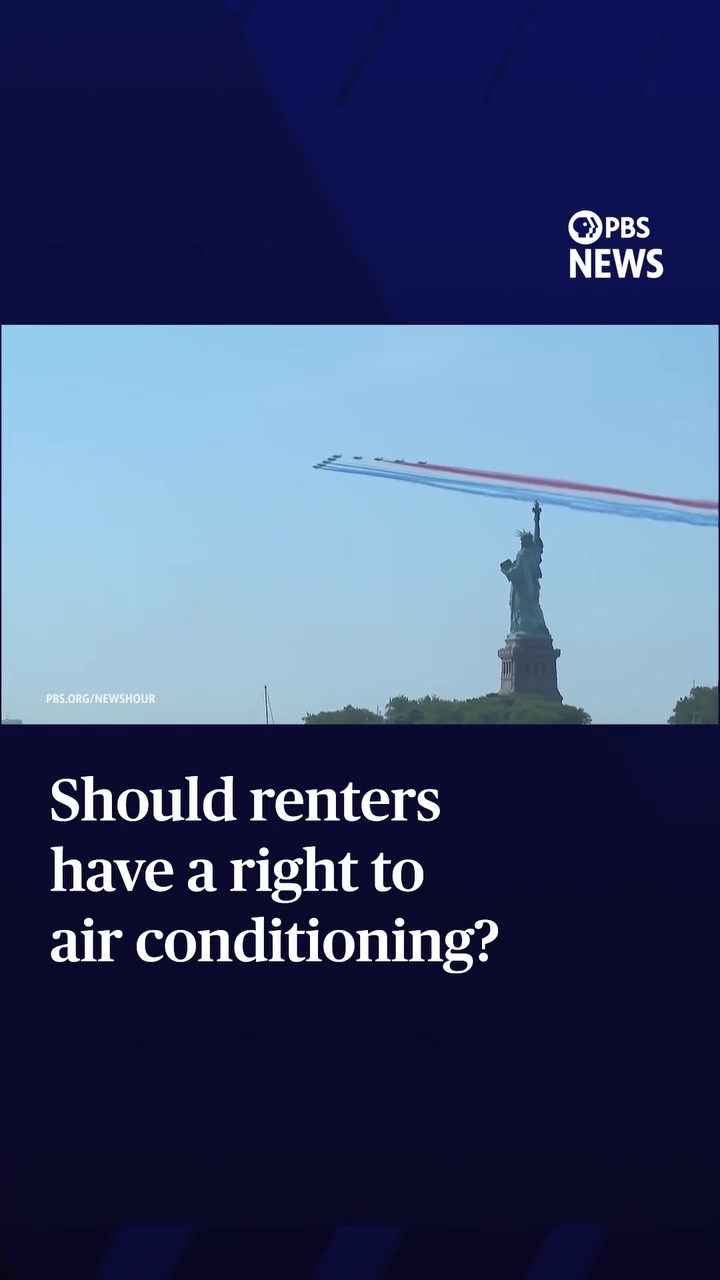
Renters Under Pressure: The Fight for Air Conditioning in NYC
When the mercury soared in New York City last July, 22-year-old Brianna Stiles and her toddler felt the heat most acutely. Without air conditioning in their Brooklyn apartment, Stiles described the sweltering conditions as so intense that the paint started peeling off the walls. "It was very hard. It was very hard," she recalls.
The Fight for Cool Air
Air conditioning is no longer a luxury in a world where heatwaves are becoming more frequent and severe. As climate change escalates, the need for cooling systems in residential buildings is becoming a matter of public health and safety. In New York City, a new law set to take effect in 2030 will require landlords to provide cooling systems capable of maintaining temperatures no higher than 78 degrees Fahrenheit in sleeping areas during peak summer months. This mandate aims to address the stark reality that 580 New Yorkers die annually from extreme heat, with the lack of cooling in homes being a significant factor.
The Tide is Turning
Cities across the United States are recognizing the urgent need for cooling solutions. Phoenix, New Orleans, and Dallas have already implemented cooling requirements. This summer, both Spokane, Washington, and Houston passed measures mandating a so-called right to AC for renters. Grace Wickerson, who studies the intersection of climate and health at the Federation of American Scientists, has tracked the growth in these measures. She highlights that chronically high temperatures at night make it harder to sleep and force the body to work harder to circulate blood, leading to a host of health issues, including heart attacks and kidney failure.
The Complexities of Implementation
Financial and Logistical Challenges
Implementing such measures isn't without its challenges. Kenny Burgos, who runs the New York Apartment Association, argues that placing the burden on property owners isn't the right approach. He points to the financial and operational strains on landlords, particularly those with rent-stabilized properties. "We've seen an explosion in insurance costs. We've seen property taxes rise. We've seen water and sewer rates rise year over year," Burgos explains. "And now you add in what we call unfunded mandates from the city council, this AC bill."
Environmental Concerns
Adding to the complexity, the increased use of air conditioning units could conflict with existing city laws aimed at reducing climate change. Air conditioning units contribute to carbon emissions, exacerbating the very problem they are meant to mitigate. Advocates counter that a right to AC should be paired with subsidies for more efficient devices and weatherization to reduce the carbon impact.
Public Health Perspectives
Diana Hernandez, a public health professor at Columbia University, underscores the public health implications. "One in five New Yorkers had difficulty paying utility bills," Hernandez notes, based on her 2024 research. She argues that the provision of an air conditioning unit is a necessary but inadequate step. "We do need probably kind of bill supplements, utility discounts, additional energy assistance," she says. Her work in Arizona revealed that 75% of indoor deaths occur in homes with air conditioning units, highlighting that people are dying not because they lack AC, but because they are reluctant to turn them on due to cost concerns.
Guidance for Renters Seeking Cooling Solutions
If you're a renter struggling with the heat, here are some steps you can take:
- Advocate for your rights: Reach out to local housing authorities or tenant advocacy groups to understand your rights regarding air conditioning.
- Seek financial assistance: Look into programs like the Low-Income Home Energy Assistance Program (LIHEAP) for help with utility bills.
- Implement energy-saving measures: Make your home more energy-efficient by sealing leaks, insulating walls, and using energy-efficient appliances. These measures can help reduce the cost of cooling your home.
- Consider portable or window units: If installing a central AC system is not feasible, explore the option of portable or window air conditioning units, which can be more affordable and easier to install.
- Stay informed about local policies: Keep an eye on local legislation and advocacy efforts that may affect your right to air conditioning.
The Future of Cooling in Urban Spaces
The debate over the right to air conditioning in rental properties is far from over. As the climate continues to warm, the need for effective cooling solutions will only become more pressing. The challenge lies in balancing the need for cooling with environmental concerns and financial realities. Policymakers, landlords, and tenants must work together to find sustainable and equitable solutions that ensure everyone has access to a cool, safe living environment.
Watch the Reel
Questions readers ask
What specific temperatures are landlords in New York City required to maintain in apartments under the new law?
The upcoming 2030 law in New York City mandates that landlords must maintain temperatures no higher than 78 degrees Fahrenheit in sleeping areas during the peak of summer. This requirement is aimed at ensuring that tenants do not suffer from extreme heat.
How does climate change impact the need for air conditioning in residential buildings?
As heatwaves become more frequent and intense due to climate change, air conditioning is no longer just a comfort but a necessity for public health and safety. This shift is driving the demand for cooling systems in residential buildings to protect tenants from extreme heat.
What are the main challenges in implementing the new air conditioning requirements for landlords?
The primary challenges include financial and operational strains on landlords, particularly those with rent-stabilized properties. The rising costs of insurance, property taxes, and utilities make it difficult for landlords to comply with the new regulations. Additionally, there are environmental concerns about the increased use of air conditioning units and their contribution to carbon emissions.
What steps are being taken in other cities to address the need for cooling in residential buildings?
Cities like Phoenix, New Orleans, and Dallas have already implemented cooling requirements. This summer, both Spokane, Washington, and Houston passed measures mandating a so-called right to AC for renters, recognizing the urgent need for cooling solutions in the face of escalating temperatures.
How do public health experts view the provision of air conditioning units in apartments?
Public health experts like Diana Hernandez emphasize that while providing air conditioning units is a necessary step, it is not enough on its own. They advocate for additional measures such as bill supplements, utility discounts, and energy efficiency improvements to fully address the public health implications of extreme heat.
What are the potential environmental impacts of increased air conditioning use?
The increased use of air conditioning units contributes to carbon emissions, which exacerbates climate change. To mitigate this, advocates suggest pairing the right to AC with subsidies for more efficient devices and weatherization efforts to reduce the overall carbon impact.
What are the financial implications for landlords under the new cooling requirements?
Landlords, especially those with rent-stabilized properties, face significant financial burdens. These include rising insurance costs, property taxes, and utility rates. Adding the cost of installing and maintaining air conditioning units further strains their resources, making compliance with the new regulations challenging.
Recent articles
Fresh deep dives from the latest Reels we unpacked.



Comments
Be the first to comment.