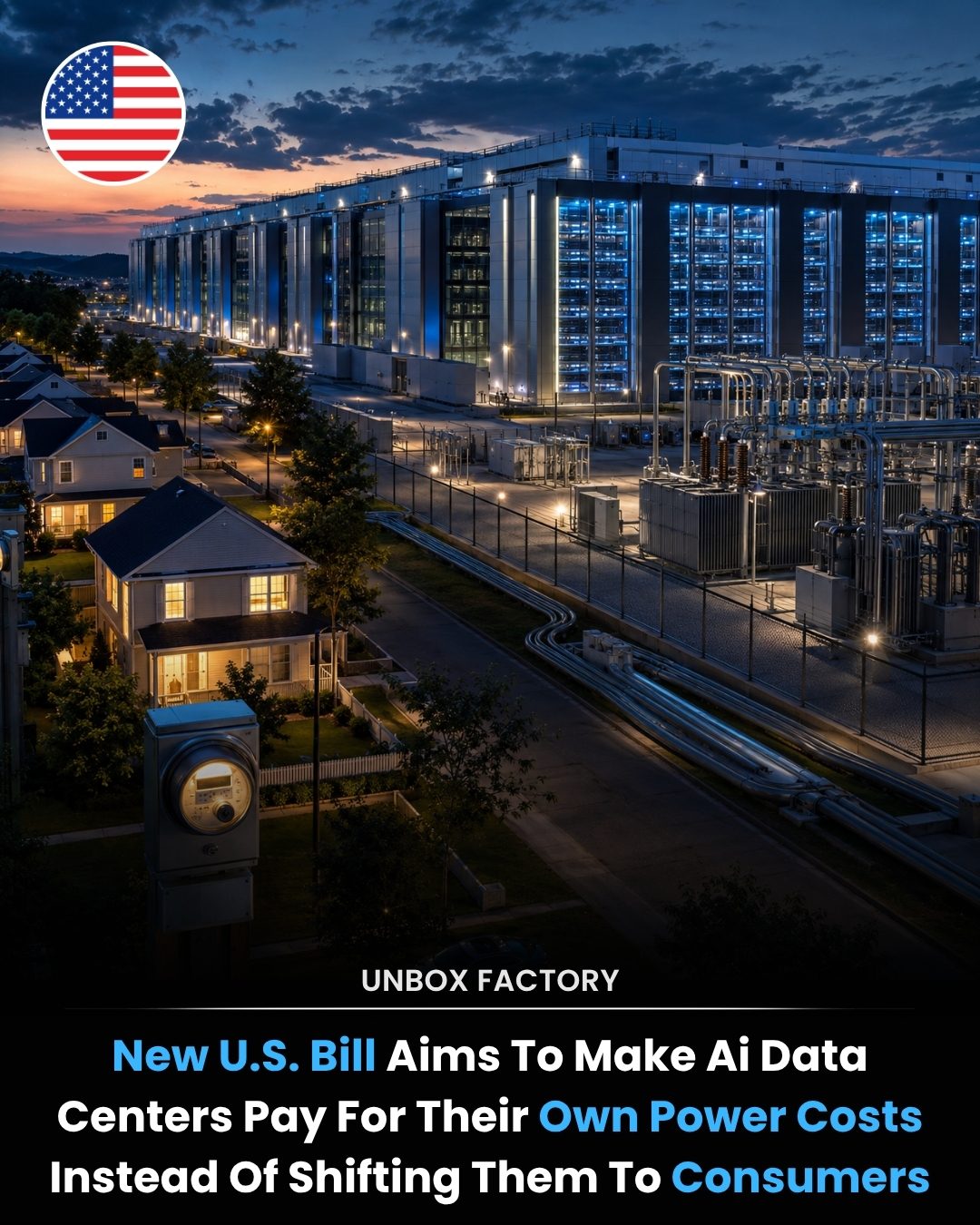
AI Data Centers and the New U.S. Energy Bill
The U.S. Congress is considering a new bill that aims to make large AI data centers fully responsible for the costs of their power consumption. This legislation proposes that data centers cover the expenses of new power plants, substations, transmission lines, and grid upgrades required to meet their rapidly increasing electricity demands. The goal is to prevent these costs from being passed on to consumers through higher utility bills.
Context: The Growing Energy Demand
AI infrastructure is expanding at an unprecedented rate, with next-generation AI campuses projected to require over 1 gigawatt of electricity. To put that into perspective, 1 gigawatt is enough to power between 700,000 to 1 million homes. This immense demand highlights the critical role that data centers will play in the future of energy consumption. Analysts from the Lawrence Berkeley National Laboratory predict that U.S. data center electricity demand could more than double by 2030, making AI one of the fastest-growing sources of power consumption in the country.
The Power Consumption of AI Data Centers
Understanding the Energy Requirements
Next-generation AI data centers are designed to support advanced computational tasks, which require significant amounts of energy. The energy needs of these data centers are driven by several factors:
- High-Performance Computing: AI tasks often involve complex algorithms that require substantial computational power. This demand translates directly into higher energy consumption.
- Continuous Operation: AI data centers need to operate continuously to ensure data availability and processing. This 24/7 operation adds to their energy requirements.
- Cooling Systems: The massive amount of heat generated by the servers and other equipment necessitates robust cooling systems, which also consume significant amounts of energy.
- Scalability: As AI technologies advance, the need for more powerful and numerous servers grows, further increasing energy demands.
The Impact on the Electric Grid
The rapid growth of AI data centers poses significant challenges for the electric grid. To support this increasing demand, new power plants, substations, and transmission lines are necessary. The grid must also undergo upgrades to handle the additional load efficiently. These infrastructure developments are expensive and time-consuming, and the costs are typically passed on to consumers.
The Proposed Legislation
Key Provisions and Objectives
The new U.S. bill aims to address these challenges by shifting the financial burden from consumers to the data centers themselves. The key provisions of the bill include:
- Full Coverage of Costs: Data centers will be required to fully cover the costs of new power plants, substations, transmission lines, and grid upgrades. This ensures that the infrastructure needed to support their operations is funded by the data centers rather than by consumers.
- Preventing Cost Shifts: By making data centers responsible for their energy expenses, the bill prevents these costs from being passed on to households through higher utility bills. This approach helps to protect consumers from the financial strain of supporting AI infrastructure.
Potential Benefits and Challenges
Benefits:
- Consumer Protection: By preventing data centers from shifting their costs to consumers, the bill helps maintain affordable utility rates for households.
- Incentivizing Efficiency: Requiring data centers to cover their energy costs may incentivize them to invest in more energy-efficient technologies and practices.
- Grid Stability: Ensuring that data centers pay for the infrastructure they need can contribute to a more stable and reliable electric grid.
Challenges:
- Implementation: Implementing the bill will require significant planning, coordination, and investment from data center operators. This could lead to delays and operational challenges.
- Economic Impact: Data centers may face higher operational costs, which could impact their profitability and potentially slow down the growth of AI infrastructure.
- Legal and Regulatory Compliance: Ensuring that data centers comply with the new regulations will require robust monitoring and enforcement mechanisms, adding complexity to the regulatory landscape.
Practical Tips for Data Center Operators
As data center operators navigate this new regulatory environment, several practical steps can help them manage their energy costs and ensure compliance:
Energy-Efficient Practices
Investing in energy-efficient technologies and practices can help data centers reduce their power consumption and lower their operational costs. This includes:
- Server Optimization: Upgrading to more energy-efficient servers and optimizing server utilization can significantly reduce energy consumption.
- Renewable Energy Sources: Exploring renewable energy sources, such as solar or wind power, can help data centers meet their energy needs while reducing their carbon footprint and long-term costs.
- Efficient Cooling Systems: Implementing advanced cooling technologies, such as liquid cooling or free air cooling, can improve energy efficiency and reduce operational costs.
Strategic Planning and Investment
Data center operators should engage in strategic planning and investment to anticipate and manage their energy costs effectively. This includes:
- Long-Term Energy Contracts: Securing long-term energy contracts can help data centers lock in favorable rates and protect against price volatility.
- Investment in Infrastructure: Investing in the necessary infrastructure, such as power plants, substations, and transmission lines, can help data centers ensure a stable and reliable energy supply.
- Compliance and Reporting: Ensuring compliance with the new regulations and maintaining accurate reporting of energy consumption and costs can help data centers avoid penalties and demonstrate their commitment to sustainability.
Important Takeaways
The proposed U.S. bill to make AI data centers pay for their own power costs represents a significant shift in the way energy consumption is managed in the AI industry. By requiring data centers to cover the costs of the infrastructure needed to support their operations, the bill aims to protect consumers from higher utility bills and incentivize energy efficiency.
The Future of AI and Energy
As AI continues to evolve and expand, the need for sustainable and efficient energy solutions will become increasingly important. The new legislation highlights the critical role that energy management will play in the future of AI and underscores the need for data centers to adopt energy-efficient practices and invest in sustainable infrastructure.
Ensuring Compliance and Efficiency
Data center operators must be proactive in managing their energy costs and ensuring compliance with the new regulations. By investing in energy-efficient technologies, engaging in strategic planning, and maintaining accurate reporting, data centers can navigate the challenges posed by the new legislation and contribute to a more sustainable and reliable electric grid.
Conclusion
The new U.S. bill targeting AI data centers' power costs is a significant step towards addressing the energy challenges posed by the rapidly growing AI infrastructure. By shifting the financial burden from consumers to data centers, the bill aims to protect households from higher utility bills and incentivize energy efficiency. As the AI industry continues to expand, ensuring sustainable and efficient energy management will be crucial for data center operators and the future of AI.
Watch the Reel
Questions readers ask
How will the new U.S. Energy Bill affect the electricity costs for data centers?
The new U.S. Energy Bill proposes that AI data centers will need to cover the full costs of their electricity usage, including the expenses for new power plants, substations, and grid upgrades. This means data centers may face significantly higher electricity costs, as they will be responsible for the infrastructure required to meet their power demands.
Why are data centers' electricity demands expected to increase so dramatically?
The power consumption of data centers is projected to more than double by 2030 due to the growing need for high-performance computing and continuous operation. Additionally, data centers require robust cooling systems, which also contribute to their high electricity demands.
What is the primary goal of the new U.S. Energy Bill regarding data centers?
The main objective of the new U.S. Energy Bill is to shift the financial burden of data centers' substantial electricity demands away from consumers. By making data centers fully responsible for their power costs, the legislation aims to prevent these expenses from being passed on to consumers through increased utility bills.
How does the new U.S. Energy Bill address the infrastructure needs of data centers?
The legislation proposes that data centers shoulder the expenses of new power plants, substations, transmission lines, and grid upgrades necessary to support their electricity demands. This ensures that the infrastructure required to meet the growing power needs of data centers is funded by the centers themselves, rather than by consumers.
What are the potential financial impacts of the new U.S. Energy Bill on AI data centers?
AI data centers may face substantial financial impacts due to the new legislation. They will need to budget for the significant costs associated with their electricity usage and the necessary infrastructure upgrades. This could potentially drive investments in energy efficiency and renewable energy sources to mitigate the financial burden.
What are the implications of the new U.S. Energy Bill for consumers?
The new U.S. Energy Bill aims to protect consumers from increased utility bills resulting from data centers' electricity demands. By making data centers responsible for their own power costs, the legislation seeks to prevent these expenses from being transferred to consumers, keeping their utility bills more stable.
How might data centers respond to the new U.S. Energy Bill?
Data centers may respond to the new U.S. Energy Bill by investing in technologies that improve energy efficiency and reduce overall power consumption. Additionally, they might explore renewable energy sources and other sustainable practices to manage their electricity costs more effectively and mitigate the financial impact of the legislation.
Related deep dives
Similar reads based on topic and creator.




Recent articles
Fresh deep dives from the latest Reels we unpacked.


Comments
Be the first to comment.