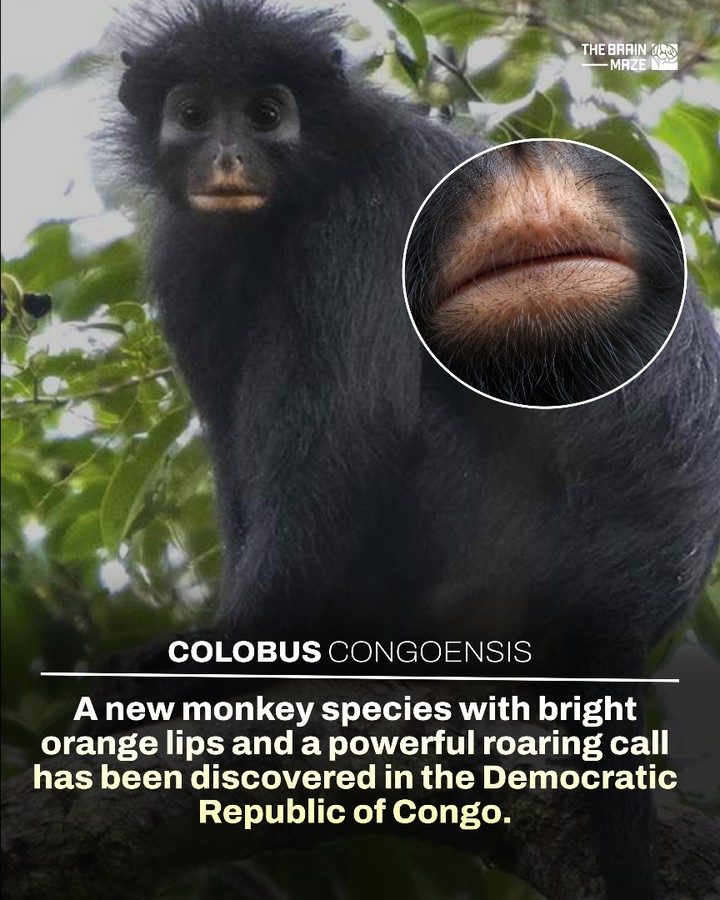
New Monkey Species Discovery
The newly identified Colobus congoensis, known locally as Likweli, is a remarkable discovery in the world of primatology. Native to the forests of the Democratic Republic of the Congo, this species is one of only five new African monkey species officially described in the past 75 years. Its vivid orange lips, mask-like face, and deep roaring calls make it a standout among its primate cousins.
Context / Why This Matters
Historically, the Democratic Republic of the Congo has been a hotspot for biodiversity, with many species yet to be discovered. Among these, the Colobus congoensis has caught global attention, primarily due to its distinct features and limited range. Discoveries of new species often unveil unique biological adaptations, which can provide critical insights into conservation strategies for other endangered species. The Colobus congoensis is no exception, highlighting the importance of preserving the region's diverse ecosystems.
Main Discussion
Identification and Characteristics
The Colobus congoensis, or Likweli, is characterized by its vivid orange lips and a distinctive mask-like facial pattern. This unique coloring is not just for show; it serves as a key identifier for researchers and conservationists. The monkey’s deep roaring calls are another distinctive feature, helping researchers locate and study them in the wild.
Genetic Analysis
Genetic analyses confirmed the Colobus congoensis as a distinct species. This process involves comparing the DNA of the new species with other known species to establish its genetic lineage and uniqueness. The findings revealed that the Colobus congoensis is genetically distinct, warranting its classification as a new species.
Habitat and Distribution
The Colobus congoensis is primarily found in the forests of the Democratic Republic of the Congo. This species' limited range is a concern, as it makes them more vulnerable to habitat loss and other threats. The dense forests provide essential cover and food, making the preservation of these habitats crucial for the survival of the species.
Conservation Concerns
Researchers have already raised concerns about the potential endangerment of the Colobus congoensis. Habitat loss, primarily due to deforestation, is a significant threat. The limited range of the species also makes it more susceptible to local environmental changes and human activities. Conservation efforts are essential to ensure the survival of this newly discovered species.
Similar Discoveries
The discovery of the Colobus congoensis adds to a growing list of recently identified primate species in Africa. Other notable discoveries include the Lesula (Cercopithecus lomamiensis) in 2007 and the Highwood's Monkey in 2012. Each of these discoveries underscores the importance of continued research and conservation efforts in the region.
Practical Tips
Supporting Conservation Efforts
There are several ways to support the conservation of newly discovered species like the Colobus congoensis. Funding research, advocating for stricter environmental laws, and participating in local conservation efforts are all valuable contributions. Non-profit organizations dedicated to wildlife conservation often welcome donations and volunteers.
Responsible Tourism
Responsible tourism can also play a significant role in conservation. By visiting national parks and wildlife reserves, tourists can help generate revenue that supports conservation efforts. However, it's essential to choose eco-friendly tour operators who prioritize minimal impact on the environment.
Public Awareness
Raising public awareness about the Colobus congoensis and other endangered species is crucial. Sharing information on social media, participating in local awareness campaigns, and supporting educational initiatives can help garner attention and support for conservation efforts. Educating the public about the importance of biodiversity and the threats faced by new species can inspire action.
Important Takeaways
- The Colobus congoensis, or Likweli, is a newly discovered monkey species with distinctive orange lips and a unique roaring call. Genetic analyses confirm it as a distinct species.
- The species is native to the forests of the Democratic Republic of the Congo, and its limited range makes it vulnerable to habitat loss and other threats.
- Research and conservation efforts are crucial to ensure the survival of this and other endangered species. Public awareness and responsible tourism can also contribute significantly to conservation efforts.
Conclusion
The discovery of the Colobus congoensis, or Likweli, highlights the ongoing importance of biodiversity research in the Democratic Republic of the Congo. Its unique features and limited range emphasize the need for conservation efforts to protect this species and its habitat. By supporting research, advocating for environmental protection, and raising public awareness, we can help ensure the survival of this remarkable species and contribute to the broader conservation of the region's diverse ecosystems.
Watch the Reel
Questions readers ask
What makes the Colobus congoensis unique among other monkey species?
The Colobus congoensis stands out due to its striking physical features, including vivid orange lips and a distinctive mask-like facial pattern. Additionally, its deep, roaring vocalizations set it apart from other monkey species, making it a unique addition to the primate family.
Where is the Colobus congoensis found, and why is its range significant?
The Colobus congoensis is native to the forests of the Democratic Republic of the Congo. Its limited range highlights the importance of focused conservation efforts to protect this newly discovered species and its habitat.
How many new African monkey species have been identified in the last 75 years?
In the past 75 years, only five new African monkey species have been officially described, making the Colobus congoensis a significant and rare discovery among its primate cousins.
What are the local names for the Colobus congoensis?
The Colobus congoensis, known locally as Likweli, is a remarkable discovery in the world of primatology. Its vivid orange lips, mask-like face, and deep roaring calls make it a standout among its primate cousins.
Why is the discovery of the Colobus congoensis important for the Democratic Republic of the Congo?
The discovery of the Colobus congoensis is significant because it sheds light on the rich biodiversity of the Democratic Republic of the Congo. The unique features of this species can provide insights into the diverse range of wildlife that inhabits the region.
Recent articles
Fresh deep dives from the latest Reels we unpacked.




Comments
Be the first to comment.