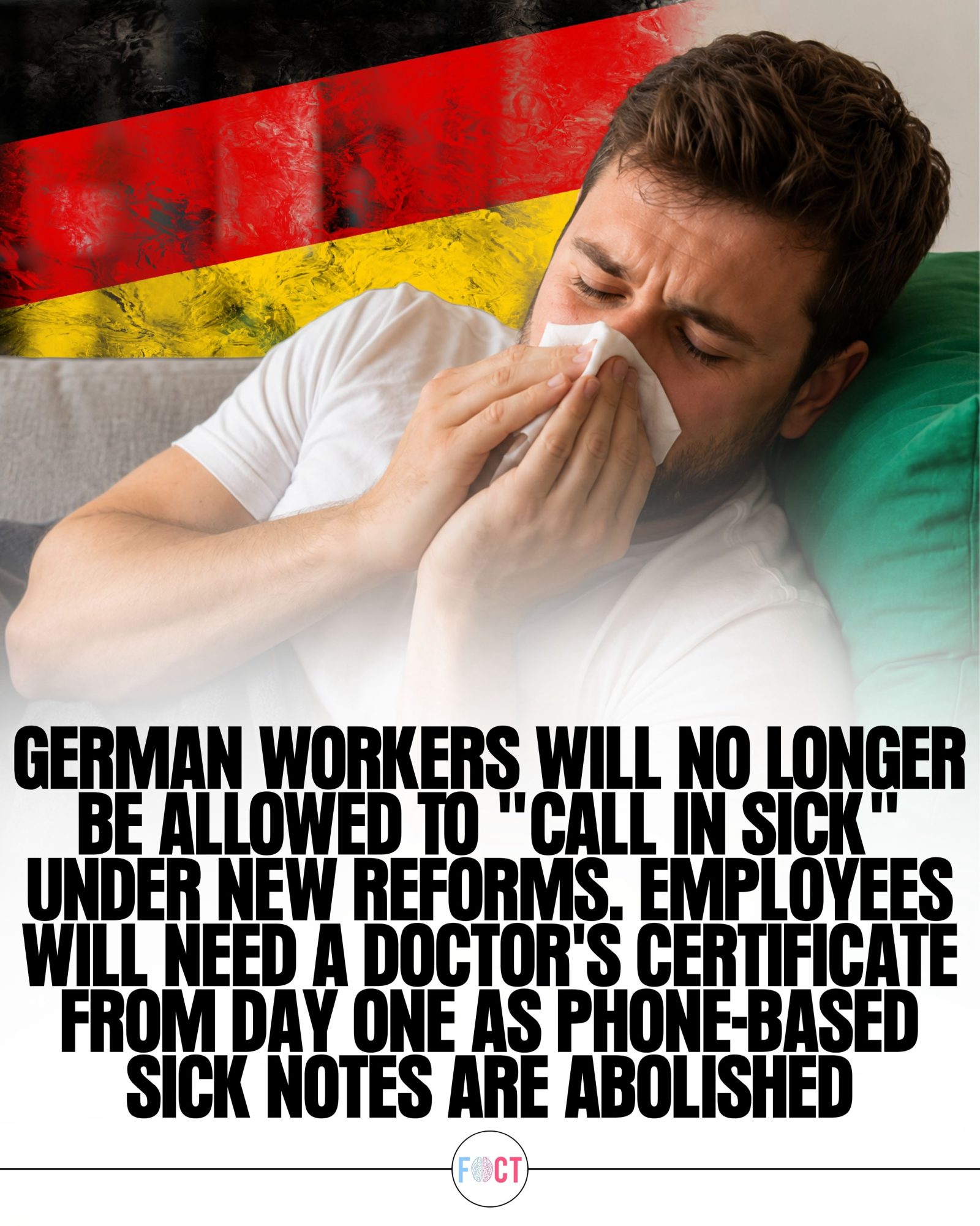
German Work Reforms: New Rules for Sick Leave
In Germany, significant changes are underway for how employees can take sick leave. The country is implementing new workplace reforms that will make it more challenging for workers to call in sick without proper documentation. These reforms aim to curb abuse of sick leave and enhance productivity, but they also raise concerns about potential overloads on medical services and the impact on genuinely ill employees.
Why this matters
These reforms could have far-reaching effects on the German workforce, affecting everything from employee well-being to overall workplace productivity. Understanding the specifics of these changes is crucial for both employers and employees to navigate the new landscape effectively.
Main discussion
The End of Phone-Based Sick Notes
One of the most significant changes under the new reforms is the abolition of phone-based sick notes. Workers will no longer be able to call in sick and provide a verbal report of their illness. Instead, they will be required to obtain a doctor's certificate from the very first day they miss work. This shift aims to ensure that sick leave is only taken when absolutely necessary, reducing the likelihood of abuse.
Documentation Requirements
Under the new rules, employees must provide a doctor's certificate from the first day of their absence. This means that workers can no longer rely on phone-based reports or informal notifications. The requirement for a doctor's certificate from day one is designed to add a layer of verification to sick leave claims, making it harder for employees to take time off without legitimate reasons.
Impact on Workers and Employers
The reforms have sparked a nationwide debate, with varying opinions on their potential impact. Supporters of the changes argue that the new requirements will help reduce the abuse of sick leave, potentially leading to increased productivity. They believe that this stricter system will encourage employees to take sick leave only when genuinely ill, thus minimizing disruption to the workplace. This could also help maintain a more stable workforce and ensure that projects and tasks are completed on time.
Critics, however, express concerns about the potential burden on doctors and the healthcare system. With the abolishment of phone-based sick notes, many workers may rush to doctors' surgeries seeking certification, leading to overcrowding and longer wait times. This could be particularly challenging for those who are genuinely ill and need prompt medical attention.
Additionally, some critics argue that the new requirements might deter genuinely ill employees from taking the necessary time off. The process of obtaining a doctor's certificate can be time-consuming and inconvenient, potentially discouraging employees from taking the leave they need to recover fully. This could lead to a situation where employees come to work when they are not well enough, further spreading illness in the workplace and reducing overall productivity in the long run.
Practical tips
For both employers and employees, the new reforms present a new way of handling sick leave. Here are some practical tips to help navigate these changes smoothly:
For Employers
- Update Policies: Review and update company policies to reflect the new requirements for sick leave. Ensure that all employees are aware of the changes and the documentation needed.
- Support Systems: Consider implementing support systems to help employees manage their health and well-being. This could include telemedicine options or partnerships with healthcare providers.
- Communication: Maintain open communication with employees about the new reforms. Address any concerns and provide guidance on how to navigate the changes effectively.
For Employees
- Plan Ahead: If you feel unwell, plan to visit a doctor as soon as possible to obtain the necessary certification. This will help ensure that you have the documentation needed to take sick leave.
- Stay Informed: Familiarize yourself with the new requirements and any updates from your employer. Keep all documentation related to your sick leave in a safe place for reference.
- Seek Support: If you are struggling with the new requirements, seek support from your employer or healthcare provider. There may be resources available to help you manage your health and navigate the changes.
Important takeaways
The implementation of these reforms represents a significant shift in the handling of sick leave in Germany. While the changes aim to reduce abuse and enhance productivity, they also present challenges that need to be carefully managed. Both employers and employees will need to adapt to the new requirements and find ways to support each other through this transition.
Conclusion
The new workplace reforms in Germany are set to change how employees take sick leave. The abolition of phone-based sick notes and the requirement for a doctor's certificate from the first day of absence are designed to curb abuse and improve productivity. However, these changes also bring challenges, particularly for the healthcare system and genuinely ill employees. By understanding the specifics of these reforms and being prepared, both employers and employees can navigate the new landscape effectively and ensure a smoother transition.
Watch the Reel
Questions readers ask
Why is Germany requiring a doctor's note for the first day of sick leave?
Germany is implementing this change to curb the misuse of sick leave. By requiring a doctor's note from the first day of absence, the government aims to ensure that employees are genuinely ill and not abusing the system, thereby boosting workplace productivity.
What are the potential impacts of these new sick leave rules on medical services?
The new rules could increase demand on medical services, as more people will need to visit a doctor for certification on the first day of sickness. This may lead to longer wait times and potential strain on the healthcare system, especially during peak illness seasons.
How will these changes affect employees who genuinely need sick leave?
Genuinely ill employees may face inconveniences, such as having to visit a doctor promptly, which could be challenging for those with mobility issues or living in remote areas. However, the rules are designed to ensure that only those who are truly sick take time off, which could reduce the stigma associated with taking sick leave.
Will these new rules apply to all employees in Germany?
The new rules are set to apply to most employees in Germany, but there may be exceptions for certain industries or employment contracts. It is essential to check specific employment agreements or consult with an employer or labor union for detailed information.
What happens if an employee cannot obtain a doctor's note on the first day of sickness?
If an employee cannot obtain a doctor's note on the first day of sickness, they may face consequences such as unpaid leave or disciplinary action, depending on their employer's policies. It is crucial for employees to understand their rights and responsibilities under the new regulations and to communicate openly with their employers.
How do these new rules compare to sick leave regulations in other countries?
Germany's new rules are stricter than those in many other countries, where a doctor's note is often only required after a certain period of absence, such as three days. However, some countries have similar requirements to prevent misuse of sick leave and ensure workplace productivity. Employees and employers in Germany should familiarize themselves with the specific changes to understand how they compare to other nations' regulations.
What steps can employers take to prepare for these changes?
Employers should review their internal policies and procedures to align with the new regulations. This may include updating sick leave policies, communicating changes to employees, and ensuring that managers are trained to handle sick leave requests appropriately. Employers should also consider the potential impacts on their workforce and plan for possible increases in medical service demand.
Recent articles
Fresh deep dives from the latest Reels we unpacked.




Comments
Be the first to comment.