The FIFA Water Bottle Ban: What Fans Need to Know
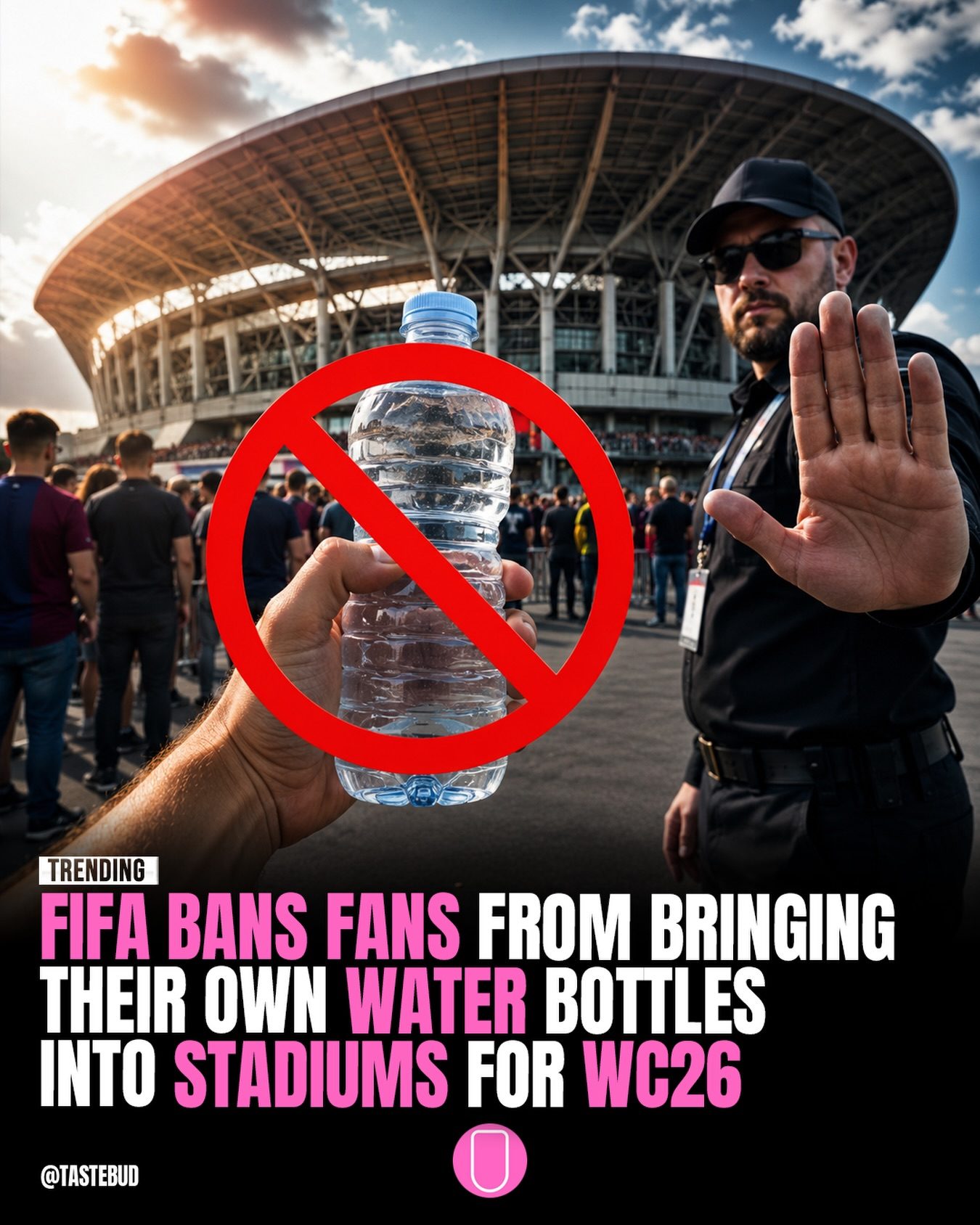
The FIFA World Cup 2026 is set to introduce a significant change to stadium policies, banning fans from bringing their own refillable water bottles into stadiums. This new rule marks a shift from previous policies, where empty bottles could be brought in and filled inside the venue. Now, spectators will need to purchase drinks from vendors within the stadium.
Why This Matters
This ban is more than just a policy change; it signals a broader shift in how major sporting events manage sustainability, fan experience, and revenue. Understanding the implications of this ban helps fans prepare for the event and consider the potential impacts on both their personal experience and the broader context of stadium management.
The New Policy: What Fans Can Expect
The Ban Explained
Starting in 2026, fans attending World Cup matches will not be allowed to bring their own water bottles into the stadiums. This rule applies to both reusable and refillable bottles, meaning fans must now rely on purchasing beverages from official vendors within the venue.
Previous Policies vs. New Regulations
Historically, fans could bring empty water bottles and fill them at designated refill stations inside the stadium. This policy was generally praised for promoting hydration and reducing plastic waste. The new ban represents a significant departure from this sustainable practice, leading to questions about the rationale behind the change.
Practical Implications for Fans
Staying Hydrated
With the ban in place, fans need to plan ahead to stay hydrated. The stadiums will undoubtedly have hydration stations, but relying solely on these might be inconvenient and costly. Fans should consider the following:
- Pre-Hydrate: Make sure to drink plenty of water before heading to the stadium.
- Plan for Breaks: Take advantage of breaks in the game to purchase water or other beverages from vendors.
- Check Stadium Maps: Identify the locations of hydration stations and vendors within the stadium to minimize travel time.
Cost Considerations
One of the most significant concerns for fans is the potential cost increase. With the ban on bringing in water bottles, fans will need to purchase drinks from vendors. This could add to the overall expense of attending a match. Fans should budget accordingly and consider purchasing drinks in advance if available.
Environmental Impact
The ban raises questions about the environmental impact of the new policy. Previously, allowing fans to bring their own refillable water bottles promoted a more sustainable approach to hydration. With the ban in place, there is a risk of increased plastic waste if fans rely on single-use plastic bottles.
Practical Tips for Attending World Cup 2026 Matches
Hydration Alternatives
Consider these alternatives to stay hydrated:
- Electrolyte Drinks: These can be a good alternative to plain water and are often available at stadium vendors.
- Snacks: Bring snacks that are high in water content, such as fruits, to supplement your hydration.
Comfort and Convenience
- Comfortable Shoes: Wear comfortable shoes to navigate the stadium easily.
- Portable Charger: Bring a portable charger to keep your phone powered up for emergencies or staying connected with friends.
- Weed-Out Crowded Areas: Look for less crowded areas within the stadium to rest and rehydrate.
Important Takeaways
The FIFA World Cup 2026 ban on bringing refillable water bottles into stadiums is a significant policy change that will impact fans in multiple ways. Staying informed about the new rules, planning for hydration, and budgeting for drinks are essential steps to ensure a smooth and enjoyable experience.
Conclusion
The ban on refillable water bottles at the 2026 World Cup represents a significant shift in stadium policies. While it may present challenges for fans in terms of hydration and cost, understanding the new regulations and planning accordingly can help mitigate these issues. As fans prepare for the event, staying informed and proactive will ensure a memorable and enjoyable experience.
Watch the Reel
Questions readers ask
Why is FIFA banning refillable water bottles at the 2026 World Cup?
FIFA's decision to ban refillable water bottles is part of a broader shift in stadium policies and sustainability measures. The ban will have implications for fan convenience and revenue for vendors. Therefore, fans will have to rely on vendors for hydration during matches.
Can I bring an empty water bottle to the 2026 FIFA World Cup to fill inside the stadium?
No, the new policy explicitly bans refillable water bottles, regardless of whether they are empty or full. This applies to all refillable bottles, including plastic and metal ones.
What are the alternatives for staying hydrated during the 2026 World Cup?
Fans will need to purchase beverages from approved vendors within the stadium. FIFA and the relevant authorities will likely highlight these vendors, so fans can plan their hydration needs accordingly.
How will this rule affect sustainability efforts at the World Cup?
The ban raises questions about the environmental impact, as it may lead to an increase in single-use plastic waste. However, the organizers may have other sustainability measures in place to mitigate this.
Will there be any exceptions to the refillable water bottle ban?
As of now, no exceptions have been announced. The rule applies to all spectators, and it is advisable to check FIFA's official guidelines for any updates.
What happens if I try to bring a refillable water bottle into the stadium?
If you attempt to bring a refillable water bottle into the stadium, security personnel may confiscate it. It's best to leave refillable water bottles at home or in your accommodation to avoid any inconvenience.
Will there be any price caps on beverages sold at World Cup stadiums?
FIFA has not disclosed any price caps on beverages sold at stadiums in 2026. Fans should expect to pay market rates for drinks from vendors inside the stadium.
Related deep dives
Similar reads based on topic and creator.




Recent articles
Fresh deep dives from the latest Reels we unpacked.




Comments
Be the first to comment.