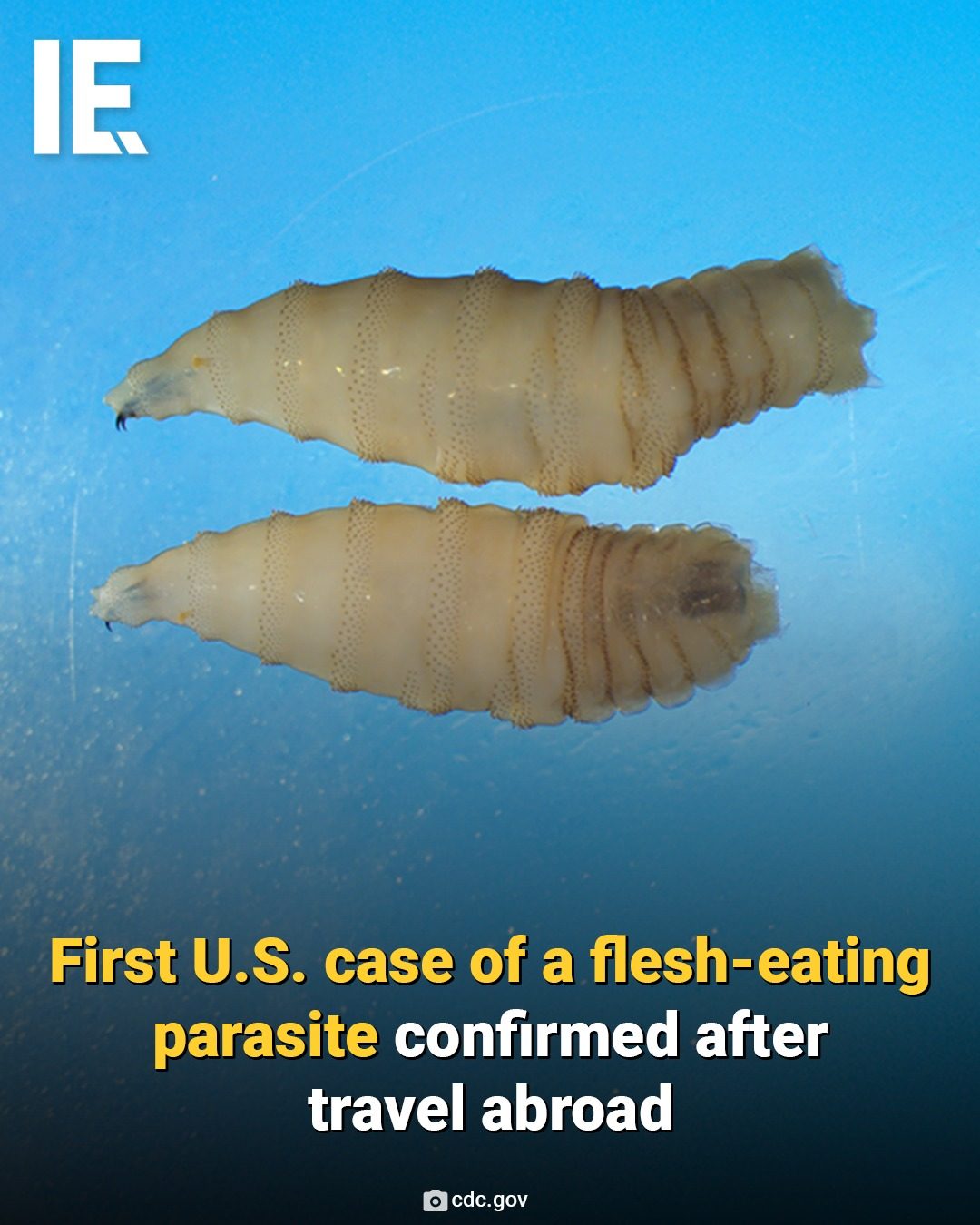
The New World Screwworm: A Flesh-Eating Parasite Resurfaces in the U.S.
In August 2025, a significant health alert was issued when U.S. health officials confirmed the first human case of the New World screwworm in the nation. This parasite, known for its flesh-eating larvae that burrow into living tissue, has raised concerns among health authorities about potential threats to both livestock and wildlife.
Context: Understanding the Threat
The New World screwworm, scientifically known as Cochliomyia hominivorax, is a notorious parasite that feeds on the living tissue of warm-blooded animals. It was once a significant problem in the United States, particularly in the southern regions, but was successfully eradicated through extensive control measures, including the release of sterile flies.
The Maryland Case
The first confirmed case in the U.S. involved a Maryland resident who had recently returned from El Salvador. The patient, who fortunately recovered, highlighted the importance of vigilance and surveillance, especially for travelers returning from regions where the parasite is still prevalent.
Historical Background
The New World screwworm was a major pest in the U.S. until the mid-20th century. Intensive eradication programs, involving the release of sterile male flies to disrupt reproduction, managed to eliminate the parasite from the country. However, the resurgence of the parasite in Central America has raised concerns about its potential re-establishment in the U.S.
Main Discussion
Parasite Biology
The New World screwworm larvae feed on the living tissue of their hosts, causing significant damage and often leading to severe infections. The females lay their eggs on wounds, and once the larvae hatch, they begin to feed on the host's tissue, creating a cycle that can be deadly if left untreated.
Transmission and Spread
The parasite is typically transmitted through contact with infected animals or contaminated environments. Travelers returning from affected regions, as seen in the Maryland case, are at a higher risk of bringing the parasite back with them. This underscores the importance of enhanced surveillance and containment measures at U.S. borders.
Current Threats
While the parasite was eradicated from the U.S. decades ago, its resurgence in Central America poses a new threat. The parasite's ability to adapt and thrive in different environments makes it a formidable foe. Authorities are concerned that if the parasite establishes itself in the U.S., it could pose significant risks to livestock and wildlife, as well as to human health.
Livestock and Wildlife Concerns
Livestock, particularly cattle and other farm animals, are highly susceptible to the New World screwworm. Infestations can lead to severe economic losses for farmers and ranchers, as infected animals may require extensive treatment or even euthanasia. Wildlife, too, is at risk, with potential impacts on local ecosystems.
Surveillance and Containment
In response to the confirmed case, health authorities have ramped up surveillance and containment measures. This includes monitoring travel routes, enhancing border controls, and implementing stricter health screenings for travelers. The goal is to detect and contain any potential outbreaks quickly, preventing the parasite from establishing a foothold in the U.S.
Practical Tips for Travelers
Travelers, particularly those visiting regions where the New World screwworm is prevalent, should take precautions to protect themselves and minimize the risk of transmission.
Before Travel
- Stay Informed: Stay updated on the health advisories for the regions you plan to visit.
- Vaccinations and Medications: Make sure you have all necessary vaccinations and medications. While there is no specific vaccine for the New World screwworm, general health precautions can help.
During Travel
- Personal Hygiene: Maintain good personal hygiene and avoid contact with animals that may be infected.
- Wound Care: Keep any wounds or cuts clean and covered to avoid infection.
After Travel
- Health Screening: Upon returning, undergo any required health screenings. Report any unusual symptoms to healthcare providers.
- Monitoring: Monitor your health closely for any signs of infection, such as unusual wounds or persistent discomfort.
Important Takeaways
The resurgence of the New World screwworm in the U.S. highlights the ongoing need for vigilance and proactive health measures. Whether you are a traveler or a health professional, understanding the risks and taking appropriate precautions can help prevent the spread of this dangerous parasite.
Conclusion
The first confirmed case of the New World screwworm in the U.S. serves as a stark reminder of the ongoing threats posed by parasitic diseases. Through enhanced surveillance, containment measures, and public awareness, we can work together to protect both human health and the wellbeing of our livestock and wildlife. Stay informed, take necessary precautions, and report any suspicious symptoms to your healthcare provider.
Watch the Reel
Questions readers ask
What is the New World screwworm and why is it concerning?
The New World screwworm, or *Cochliomyia hominivorax*, is a parasite whose larvae feed on the living tissue of warm-blooded animals, including humans. It is concerning because it can cause significant tissue damage and has the potential to threaten both human health and animal populations.
Where and when was the first human case of the New World screwworm confirmed in the U.S.?
The first human case of the New World screwworm in the U.S. was confirmed in Maryland in August 2025. The Centers for Disease Control and Prevention (CDC) issued a health alert to raise awareness about this resurgence.
What should travelers do to protect themselves from the New World screwworm?
Travelers should be vigilant, especially in areas known for the parasite's presence. It is advisable to use insect repellents, wear protective clothing, and promptly seek medical attention if they suspect an infestation. Monitoring and surveillance are key to preventing the spread of the parasite.
How does the New World screwworm affect livestock and wildlife?
The New World screwworm poses a significant threat to livestock and wildlife by feeding on their living tissue, which can lead to severe infections, tissue damage, and even death if left untreated. This can result in economic losses for farmers and disruptions in ecosystems.
What measures can be taken to control the spread of the New World screwworm?
Control measures include prompt treatment of any detected infestations, surveillance to track the parasite's spread, and the use of biological control methods, such as the release of sterilized male flies to reduce the reproductive capacity of the population.
Why is vigilance important in areas affected by the New World screwworm?
Vigilance is crucial because early detection and treatment can prevent the parasite from spreading. Regular monitoring, prompt reporting of suspected cases, and adherence to health guidelines can help control the parasite and minimize its impact on both humans and animals.
Related deep dives
Similar reads based on topic and creator.




Recent articles
Fresh deep dives from the latest Reels we unpacked.




Comments
Be the first to comment.