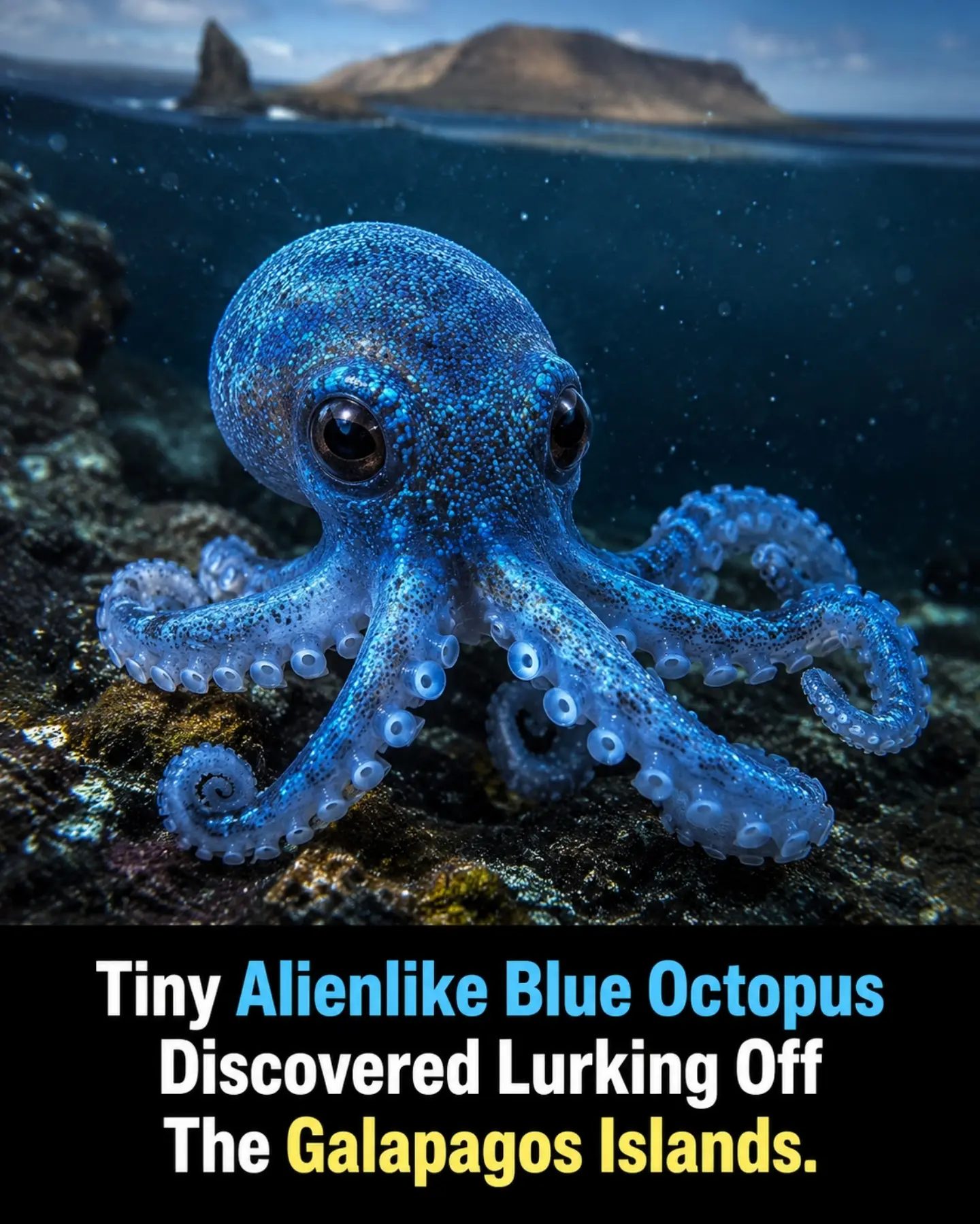
The Alienlike Blue Octopus: A New Discovery Near the Galapagos Islands
A vibrant blue octopus has been discovered lurking amongst the rocks off the Galapagos Islands, capturing attention with its striking coloration and unique features. This newfound species has sparked curiosity and excitement among marine biologists and ocean enthusiasts alike. Here’s what we know about this intriguing discovery.
Why This Matters
The discovery of any new marine species is significant, and the findings are even more remarkable when the species exhibits unique characteristics. The vibrant blue coloration of this octopus sets it apart. It's not just an aesthetic marvel but could also indicate unique adaptations or biological functions that scientists are eager to explore. The Galapagos Islands, known for their biodiversity and unspoiled ecosystems, provide a valuable setting for such discoveries.
The Discovery of the Blue Octopus
The Galapagos: A Hotspot for Marine Discovery
The Galapagos Islands, located in the Pacific Ocean, are renowned for their rich biodiversity. The archipelago is home to a variety of marine life, many of which are found nowhere else on Earth. The remote location and unique ecology of the Galapagos make it an ideal spot for new species to thrive undisturbed. This context highlights the importance of the new blue octopus discovery.
The Unusual Coloration
The most striking feature of this newly discovered octopus is its vibrant blue coloration. While octopuses come in a variety of colors, the intense blue hue of this particular species is unusual. This coloration is not just visually captivating; it could also play a crucial role in the octopus’s survival. In the marine world, coloration often serves as a form of camouflage, a means of communication, or a warning to predators. The blue octopus's unique color might serve one or more of these functions, making it a fascinating subject for further study.
Unique Features
Beyond its color, the blue octopus exhibits several unique features that set it apart from other known octopus species. Octopuses are known for their intelligence and adaptability. The blue octopus might have specialized behaviors or physical traits that help it thrive in its specific environment. As scientists delve deeper into its biology, they may uncover new insights into the world of cephalopods.
Practical Tips for Exploring Marine Life
How to Observe Marine Wildlife Responsibly
For those interested in exploring marine life, it's essential to do so responsibly. Whether you're a seasoned diver or a casual observer, following best practices ensures that you minimize your impact on the fragile ecosystems you're exploring. Here are a few tips:
- Maintain a Safe Distance: Keeping a respectful distance from marine life allows you to observe without causing disturbance. This is especially important for delicate or sensitive species like the blue octopus.
- Avoid Touching: Marine life can be easily damaged by human contact. Touching corals, for example, can cause irreparable harm to their ecosystems.
- Use Eco-Friendly Gear: Invest in dive equipment and other gear made from sustainable materials. This helps to reduce pollution and waste in marine environments.
Supporting Conservation Efforts
Marine conservation efforts are crucial for protecting species like the blue octopus. Supporting organizations that work to preserve marine ecosystems and conducting research can make a significant difference. Volunteering for beach cleanups, donating to conservation groups, or even choosing sustainable seafood can all contribute to the health of our oceans.
Important Takeaways
- The vibrant blue octopus discovered off the Galapagos Islands is a remarkable new species with unique features.
- Its stunning coloration and potential adaptations make it a subject of great interest for marine biologists.
- The Galapagos Islands' rich biodiversity and remote location provide an ideal environment for such discoveries.
- Responsible marine exploration and conservation efforts are essential for protecting species and their habitats.
Conclusion
The discovery of the blue octopus near the Galapagos Islands is a testament to the wonders still hidden in our oceans. As scientists continue to study this new species, we can expect to learn more about its unique characteristics and the role it plays in its ecosystem. For those inspired by this discovery, exploring marine life responsibly and supporting conservation efforts are meaningful ways to contribute to the preservation of our marine environments.
Watch the Reel
Questions readers ask
What makes the newly discovered blue octopus near the Galapagos Islands so unique?
The blue octopus near the Galapagos Islands stands out due to its vibrant blue coloration, which is unusual among octopus species. This striking feature has sparked significant interest among researchers, who hope to understand the biological purposes behind this unique adaptation.
Why is the discovery of this new octopus species important?
The discovery of any new marine species provides an opportunity to expand our knowledge of these diverse ecosystems. The blue octopus's unique features and vibrant coloration may offer insights into new biological adaptations and the intricate balance of marine environments.
Where was the vibrant blue octopus found?
The vibrant blue octopus was found near the Galapagos Islands, specifically lurking among the rocks in the underwater regions. This location is significant as the Galapagos Islands are known for their rich biodiversity and unique marine life.
What are some of the unique features of the blue octopus?
Apart from its vibrant blue coloration, the blue octopus exhibits other unique features that set it apart from known octopus species. These features are currently being studied to understand their functional significance and evolutionary implications.
How does this discovery contribute to our understanding of Galapagos marine life?
The discovery of the blue octopus adds to the already diverse range of marine species found in the Galapagos Islands. It underscores the region's importance as a hub for unique and often alienlike marine life, providing a new subject for research and exploration.
What can we learn from the blue octopus's coloration?
The vibrant blue coloration of the blue octopus could indicate various biological functions, such as camouflage, communication, or even a form of protection against predators. Scientists are particularly interested in understanding how this coloration contributes to the octopus's survival and behavior.
Related deep dives
Similar reads based on topic and creator.




Recent articles
Fresh deep dives from the latest Reels we unpacked.




Comments
Be the first to comment.