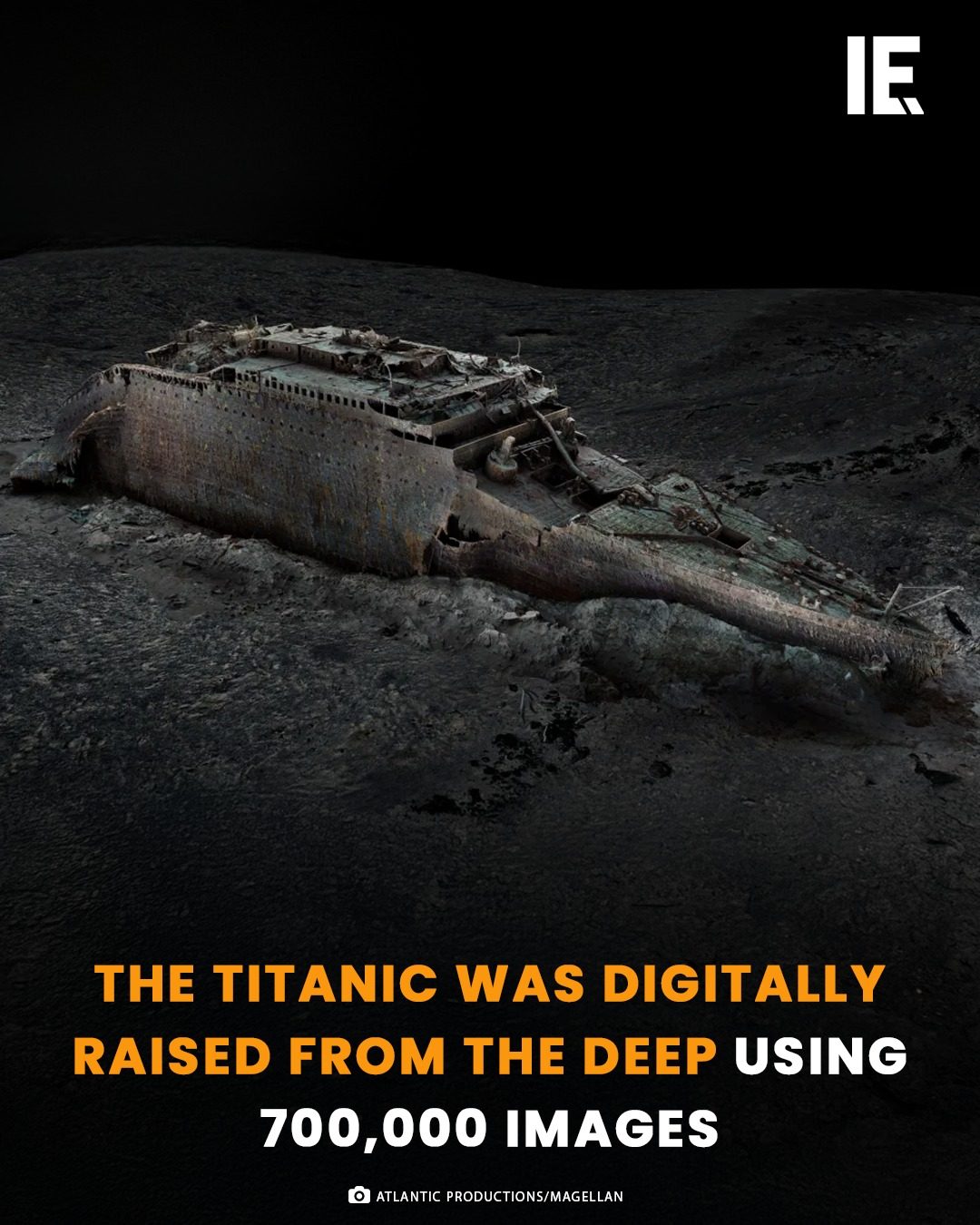
2023 Titanic Digital Reconstruction: New Insights into a Maritime Tragedy
In 2023, scientists completed a new milestone in maritime history: the most detailed 3D scan of the Titanic, using over 700,000 images to reconstruct the shipwreck. This groundbreaking digital model provides unprecedented insights into the Titanic's final hours and the structure of the ship itself.
Context: Why the Titanic's Digital Reconstruction Matters
The Titanic, a symbol of maritime tragedy, has long captivated public imagination. Since its catastrophic sinking in 1912, numerous attempts have been made to explore and understand the wreck. However, the harsh conditions of the deep sea have made physical exploration challenging and often inconclusive. The 2023 digital reconstruction marks a significant leap forward, offering a detailed and accessible view of the wreck that was previously unattainable.
Main Discussion
The Digital Reconstruction Process
The reconstruction process involved a monumental effort to gather and analyze 700,000 images. This staggering number of images allowed scientists to create a high-resolution 3D model that captures the intricate details of the wreck. The visual data was meticulously stitched together to form a cohesive digital representation, revealing new details that previous explorations had missed.
Significance of the Reconstruction
The digital model offers several key advantages over traditional underwater exploration. Firstly, it provides a non-invasive way to study the wreck, preserving its condition for future generations. Secondly, the 3D reconstruction allows researchers to examine the wreck from any angle, providing a comprehensive understanding of the ship's structure and the damage it sustained.
New Discoveries
By analyzing the digital model, scientists have gained new insights into the events of the Titanic's final hours. The reconstruction highlights the extensive damage to the ship's hull, providing a clearer picture of the impact and subsequent flooding that led to its demise. Additionally, the model reveals previously unseen details about the wreck's condition, offering valuable information for maritime historians and engineers.
The Role of Atlantic Productions/Magellan
The project was produced by Atlantic Productions/Magellan, renowned for producing high-quality historical documentaries. Their involvement has ensured that the digital reconstruction is not only scientifically accurate but also accessible to a wide audience. The use of 700,000 images has allowed for a level of detail and precision that sets this reconstruction apart from previous efforts.
Practical Tips for Viewing the Digital Reconstruction
For those interested in viewing the digital reconstruction, there are several key points to consider:
- Engage with Interactive Elements: Many digital reconstructions come with interactive features that allow users to explore the wreck from different angles and zoom in on specific details. Take advantage of these features to get a comprehensive view of the wreck.
- Access Expert Commentary: Often, digital reconstructions are accompanied by expert commentary from historians, engineers, and archaeologists. This commentary can provide valuable context and insights that enhance the viewing experience.
Important Takeaways
The 2023 digital reconstruction of the Titanic offers a wealth of new information and a unique opportunity to explore the wreck in unprecedented detail. Here are the key takeaways:
- Technological Advancement: The use of 700,000 images to create a 3D model showcases the power of modern technology in historical exploration.
- Preservation of History: Digital reconstructions provide a non-invasive way to study and preserve historical sites, ensuring that they remain accessible for future generations.
- New Insights into the Past: The reconstruction has revealed new details about the Titanic's final hours and the condition of the wreck, offering valuable information for researchers and historians.
- Public Engagement: The project's accessibility and high-quality production make it an engaging and educational experience for a wide audience.
Conclusion
The 2023 digital reconstruction of the Titanic marks a significant milestone in maritime history. By using over 700,000 images to create a detailed 3D model, scientists have provided new insights into the ship's structure and the events of its final hours. This digital model not only preserves the wreck for future generations but also offers a unique and engaging way to explore one of history's most infamous maritime tragedies. Whether you're a maritime historian, an engineering enthusiast, or simply curious about the Titanic, this reconstruction is a must-see.
Watch the Reel
Questions readers ask
How does the 2023 3D scan differ from previous explorations of the Titanic wreckage?
The 2023 3D scan differs from previous explorations by providing a comprehensive, non-invasive digital reconstruction using over 700,000 images. This allows researchers to study the wreck in unprecedented detail without causing any further disturbance to the site. Previous methods often relied on physical exploration, which can be limited and sometimes damaging to the wreckage.
What new insights have researchers gained from the 2023 3D scan of the Titanic?
The 2023 3D scan has offered researchers a clearer understanding of the Titanic's final moments and the extent of the damage it sustained. The digital model reveals the ship's structure in intricate detail, allowing scientists to analyze the sequence of events leading to the tragedy and the specific areas of the ship that were most severely impacted.
How was the 2023 3D scan of the Titanic created?
The 2023 3D scan was created by compiling over 700,000 images of the Titanic wreckage. These images were then used to generate a detailed digital reconstruction, providing a comprehensive and accessible way to study the wreck while preserving its condition for future studies.
Why is the 2023 3D scan considered a significant advancement in Titanic research?
The 2023 3D scan is considered a significant advancement because it offers an unparalleled level of detail and accessibility. By using non-invasive techniques, it allows for in-depth analysis without risking further damage to the wreck. This makes it a valuable resource for researchers and enthusiasts alike, providing a new perspective on the Titanic's final hours and structural integrity.
Can the 2023 3D scan of the Titanic be used to settle longstanding debates about the ship's sinking?
The 2023 3D scan has the potential to provide evidence that could help settle longstanding debates about the Titanic's sinking. By offering detailed insights into the ship's structure and the damage it sustained, the scan allows researchers to analyze the sequence of events more accurately, potentially answering questions about the causes and impacts of the tragedy.
Related deep dives
Similar reads based on topic and creator.


Recent articles
Fresh deep dives from the latest Reels we unpacked.




Comments
Be the first to comment.