Flood Barrier Engineering in the Netherlands
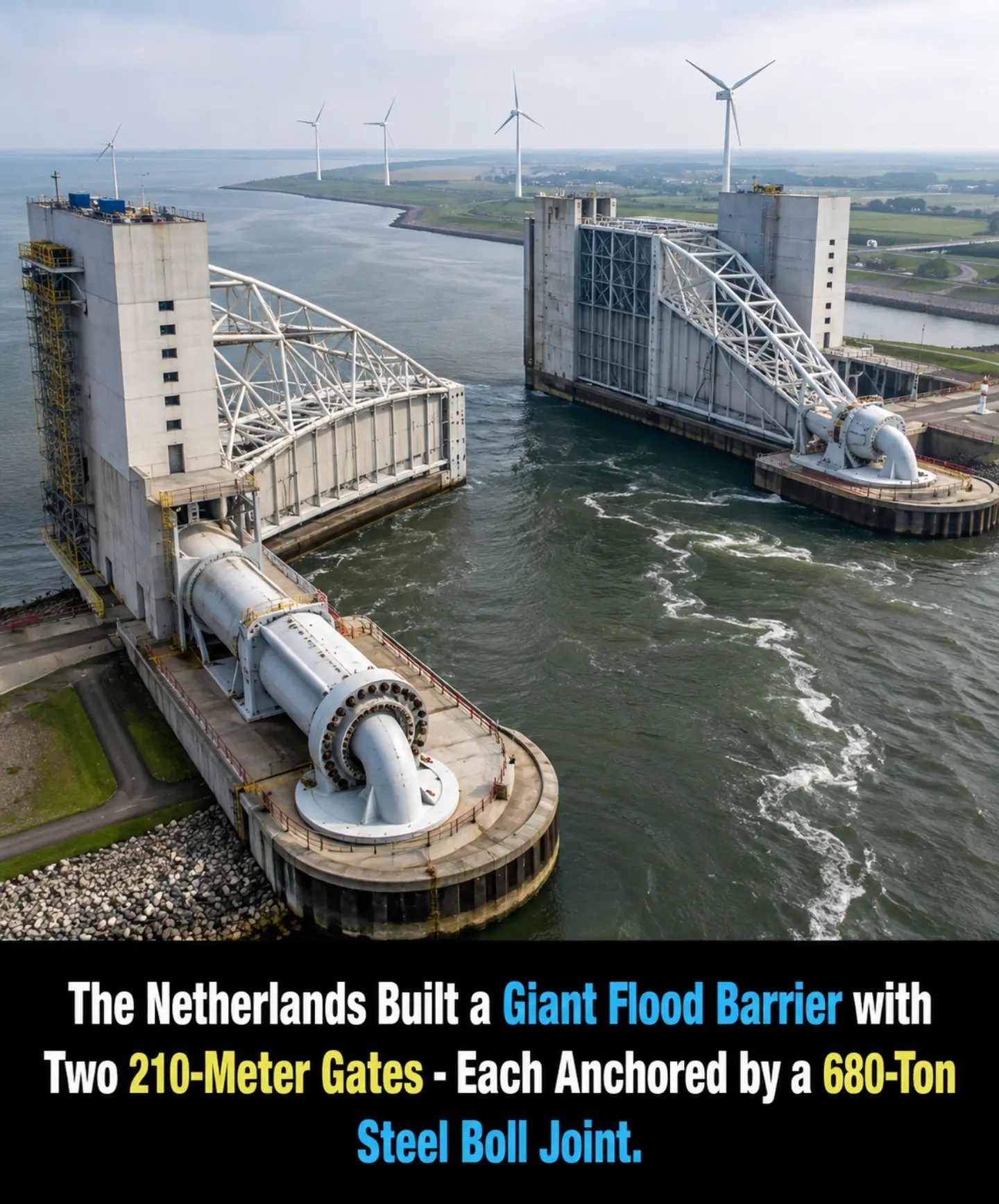
The Dutch are known for their innovative engineering solutions to protect against flooding, and one of the most impressive examples is the giant flood barrier located in the Netherlands. This massive structure features two enormous gates, each measuring 210 meters in length and anchored by 680-ton steel boll joints. The sheer scale and engineering prowess behind this infrastructure are awe-inspiring.
Why This Matters
Flooding is a significant threat to low-lying countries like the Netherlands. Located just below sea level, the country has long been a pioneer in flood management techniques. The construction of the flood barrier is a testament to the importance of advanced engineering in safeguarding communities against natural disasters. Understanding the design and implementation of such structures can provide valuable insights for other regions facing similar challenges.
The Engineering Marvel
Scale and Dimensions
The flood barrier is a marvel of modern engineering, with each of its two gates stretching 210 meters in length. This scale is necessary to protect vast areas from potential flooding. The gates are designed to withstand immense pressure from the water, making them an essential component of the flood defense system.
Steel Boll Joints
One of the most critical aspects of the flood barrier is the use of 680-ton steel boll joints to anchor the gates. These joints are not just massive but also incredibly robust. The steel boll joints provide the necessary stability and strength to hold the gates in place, ensuring they can effectively block rising waters.
Aerial View and Design
An aerial view of the flood barrier highlights its impressive design and scale. The structure is meticulously engineered to integrate seamlessly with the surrounding landscape while providing maximum protection. The use of advanced materials and cutting-edge engineering techniques ensures that the barrier can withstand the harshest conditions.
Practical Tips for Flood Management
Advanced Materials
When designing flood barriers, the choice of materials is crucial. Steel, for instance, is favored for its strength and durability. Other materials, such as reinforced concrete and composites, can also be used depending on the specific requirements of the project.
Engineering Techniques
Engineers rely on a combination of traditional and modern techniques to create effective flood barriers. Techniques like finite element analysis and computational fluid dynamics are employed to simulate the impact of different scenarios, ensuring the structure can handle extreme conditions.
Community Involvement
Successful flood management often involves significant community involvement. Local knowledge and input can provide valuable insights into the best locations for flood barriers and other protective measures. Engaging with the community ensures that the solutions implemented are both effective and accepted by those who will benefit from them.
Important Takeaways
The Role of Engineering
The flood barrier in the Netherlands underscores the vital role of engineering in addressing global challenges. Advanced engineering solutions are essential for protecting vulnerable communities from natural disasters.
Lessons for Other Regions
The Dutch example serves as a model for other regions facing similar flooding risks. By studying the design, materials, and techniques used in the flood barrier, engineers and policymakers can gain valuable insights into effective flood management strategies.
Future Innovations
As climate change continues to pose new challenges, the need for innovative flood management solutions will only increase. Continuing to invest in research and development in this area is essential for safeguarding communities worldwide.
Conclusion
The flood barrier in the Netherlands is a remarkable feat of engineering, showcasing the country's commitment to protecting its people and infrastructure from flooding. With its massive gates and robust steel boll joints, this structure stands as a testament to human ingenuity and resilience. By understanding the engineering principles behind this barrier, we can better prepare for and mitigate the impacts of floods in other regions, ensuring a safer future for all.
Watch the Reel
Questions readers ask
What makes the Netherlands' giant flood barrier a significant engineering achievement?
The flood barrier is notable for its massive scale, featuring two 210-meter gates and 680-ton steel joints. These components work together to provide robust protection against severe flooding, showcasing advanced engineering and design.
How does the Netherlands' flood barrier contribute to the country's flood safety?
The barrier is crucial for safeguarding the low-lying Netherlands from flooding. It demonstrates the country's expertise in flood management, offering a practical solution to protect communities from natural disasters.
What are the key components of the Netherlands' flood barrier?
The key components include two colossal gates, each spanning 210 meters, and 680-ton steel joints that anchor these gates. These elements are designed to withstand and mitigate the impact of flooding.
Why is the Netherlands a leader in flood management?
The Netherlands' geography, with much of the country below sea level, has driven the development of innovative flood management techniques. The giant flood barrier is a prime example of the country's leadership in this area.
What can other countries learn from the Netherlands' flood barrier?
The Dutch flood barrier offers global insights into effective flood protection. By studying the design and engineering of this infrastructure, other countries can gain valuable knowledge on protecting communities from natural disasters.
Related deep dives
Similar reads based on topic and creator.



Recent articles
Fresh deep dives from the latest Reels we unpacked.




Comments
Be the first to comment.