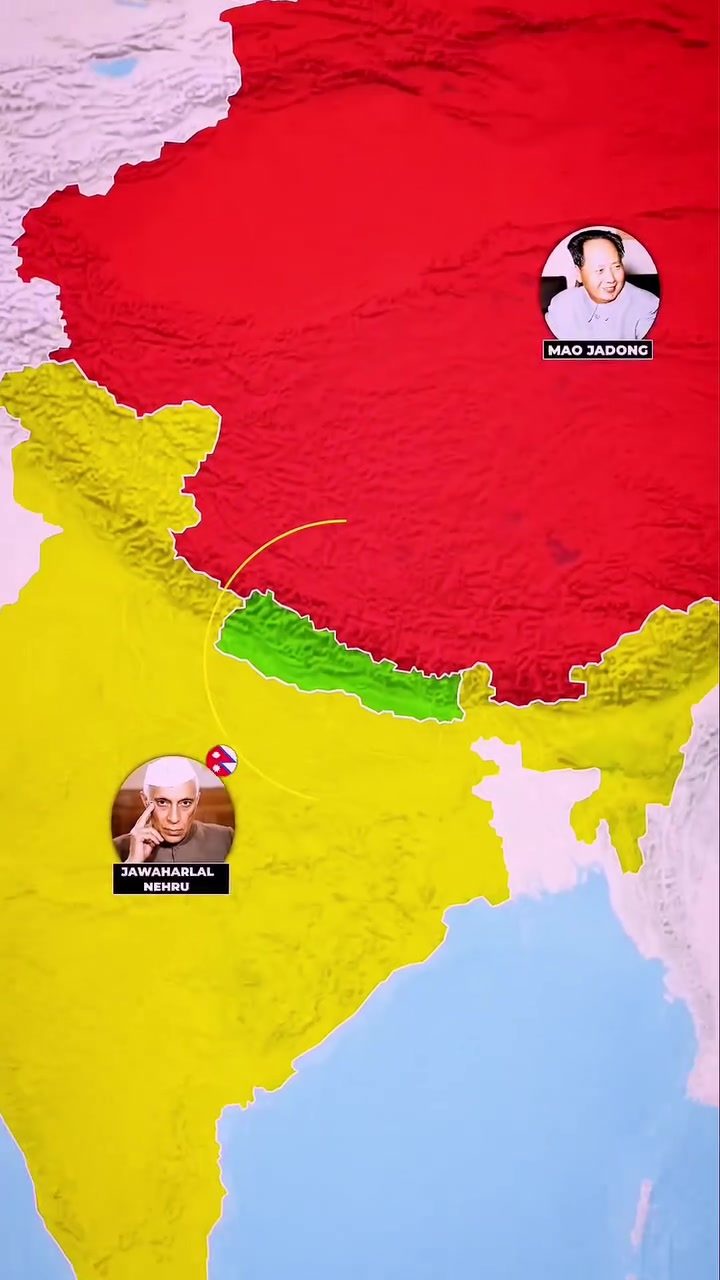
Nepal's Historical Ambitions to Join India
Nepal's historical relationship with India is complex and multifaceted, marked by periods of cooperation, conflict, and diplomatic maneuvering. One of the most intriguing chapters in this relationship is Nepal's past desire to become part of India, a proposal that was ultimately rejected by India's first Prime Minister, Jawaharlal Nehru.
Why This Matters
Understanding the historical context of Nepal-India relations is crucial for grasping the geopolitical dynamics of South Asia. These relations have significant implications for regional stability, economic cooperation, and cultural exchange. The timeline of events, key figures, and pivotal locations highlighted in this discussion provide a deeper understanding of the forces that have shaped the region.
Nepal and India: A Historical Perspective
Early Ambitions and Rejections
Nepal's ambition to become part of India dates back several decades. The desire to unite under a single political entity was driven by various factors, including cultural ties, geographical proximity, and strategic considerations. However, this proposal was not accepted by India. Jawaharlal Nehru, India's first Prime Minister, played a pivotal role in rejecting this idea. Nehru's reasoning was rooted in his vision of a non-expansionist India, which sought to avoid any regional dominance that might be perceived negatively by other nations.
Key Historical Figures
Jawaharlal Nehru
Nehru, often referred to as the architect of modern India, was a significant figure in shaping India's foreign policy. His decision to reject Nepal's proposal to join India was driven by his desire to maintain a balanced and non-aggressive stance in the region. Nehru's policies were guided by principles of peace, non-alignment, and mutual respect, which influenced the trajectory of Nepal-India relations. His legacy continues to shape contemporary diplomacy in South Asia.
Important Dates and Locations
1937 and 1950: Pivotal Years
The years 1937 and 1950 are particularly significant in the Nepal-India timeline. These dates correspond to pivotal moments in the relationship, including key agreements and diplomatic milestones. While the specific events of these years are not detailed, they likely include significant agreements, treaties, or diplomatic exchanges that have had a lasting impact on the relationship between the two nations.
Delhi, Mumbai, and Kolkata
These cities, featured on maps and highlighted in the timeline, are crucial locations in the historical context of Nepal-India relations. Delhi, as the capital of India, has been a central hub for diplomatic discussions and agreements. Mumbai and Kolkata, both major ports, have played essential roles in trade and economic cooperation between the two countries.
Mao Zedong and Chinese Influence
Mao Zedong, the founding father of the People's Republic of China, also factors into the historical timeline. His influence on Nepal and India, particularly during the Cold War era, cannot be overlooked. Mao's policies and China's strategic maneuvers in the region have had far-reaching effects on Nepal-India relations, shaping the geopolitical landscape of South Asia.
Practical Tips for Understanding Nepal-India Relations
To gain a deeper understanding of Nepal-India relations, consider the following practical tips:
Study Key Historical Documents
Review significant treaties, agreements, and diplomatic communications between Nepal and India. These documents offer valuable insights into the historical context, motivations, and strategic considerations that have shaped the relationship.
Explore Geographic and Cultural Contexts
Delve into the geographic and cultural contexts of both countries. Understanding the geographical proximity, shared cultural heritage, and the influence of neighboring countries like China can provide a more comprehensive view of the relationship between Nepal and India.
Analyze Key Figures and Their Impact
Examine the roles and decisions of key figures like Jawaharlal Nehru and Mao Zedong. Their policies and diplomatic maneuvers have had profound effects on the dynamics between Nepal and India, and understanding their contributions can offer valuable context.
Map Out Important Dates
Create a timeline of important dates and events, including 1937 and 1950, and analyze the significance of these years in the broader context of Nepal-India relations. This can help you understand the sequence of events and their lasting impact.
Important Takeaways
Nepal's historical desire to become part of India, rejected by Jawaharlal Nehru, is a fascinating chapter in the complex relationship between the two nations. Key figures like Nehru and Mao Zedong, along with pivotal dates and locations, have shaped the trajectory of Nepal-India relations.
The rejection of Nepal's proposal was influenced by Nehru's vision of a non-expansionist India, which sought to maintain a balanced and peaceful regional presence. Understanding the historical context, geographic and cultural factors, and key figures can provide valuable insights into the dynamics of Nepal-India relations.
Conclusion
The relationship between Nepal and India is rich with historical intricacies and strategic maneuvers. From Nepal's early ambitions to become part of India to the pivotal roles played by figures like Jawaharlal Nehru and Mao Zedong, the timeline of events and key locations offer a comprehensive view of the forces that have shaped the region.
By exploring the historical context, geographic and cultural factors, and the impact of key figures, one can gain a deeper understanding of the geopolitical dynamics of South Asia. This knowledge can enhance our appreciation of the region's complexity and the enduring influence of historical events on contemporary relations.
Watch the Reel
Questions readers ask
Why did Nepal consider joining India in the past?
Nepal's consideration to join India was driven by several factors including cultural ties, strategic advantages, and the desire for enhanced security and economic cooperation. The shared history and close cultural bonds between the two nations made the idea of unification appealing to some Nepalese leaders.
What were the key reasons behind Jawaharlal Nehru's rejection of Nepal's proposal?
Jawaharlal Nehru, India's first Prime Minister, rejected Nepal's proposal primarily due to his vision of a non-expansionist India. He believed in maintaining India's territorial integrity and promoting a policy of peace and cooperation rather than territorial expansion. Additionally, Nehru saw the importance of maintaining Nepal's independence for regional stability.
How did Nepal's proposal to join India impact South Asian geopolitics?
Nepal's proposal and its subsequent rejection had significant implications for South Asian geopolitics. It underscored the delicate balance of power in the region and highlighted the importance of maintaining independent sovereignty for smaller nations like Nepal. The rejection also influenced future diplomatic relations and border agreements, fostering a more collaborative and stable regional environment.
What were the strategic factors influencing Nepal's decision to consider joining India?
Strategic factors included security concerns, economic benefits, and cultural ties. Nepal sought to enhance its defenses against potential external threats and improve its economic prospects through closer integration with India. The two countries shared a long border, which made strategic cooperation crucial for maintaining regional stability.
How did the 1950 South Asia history influence the Nepal-India relationship?
The 1950s were a crucial period in South Asia's history, marked by significant geopolitical shifts. During this time, India and Nepal negotiated key border agreements and diplomatic pacts, which further shaped their relationship. The 1950 Treaty of Peace and Friendship between India and Nepal was a significant milestone that formalized the close ties between the two nations, setting the stage for future cooperation and mutual respect.
Related deep dives
Similar reads based on topic and creator.


Recent articles
Fresh deep dives from the latest Reels we unpacked.




Comments
Be the first to comment.