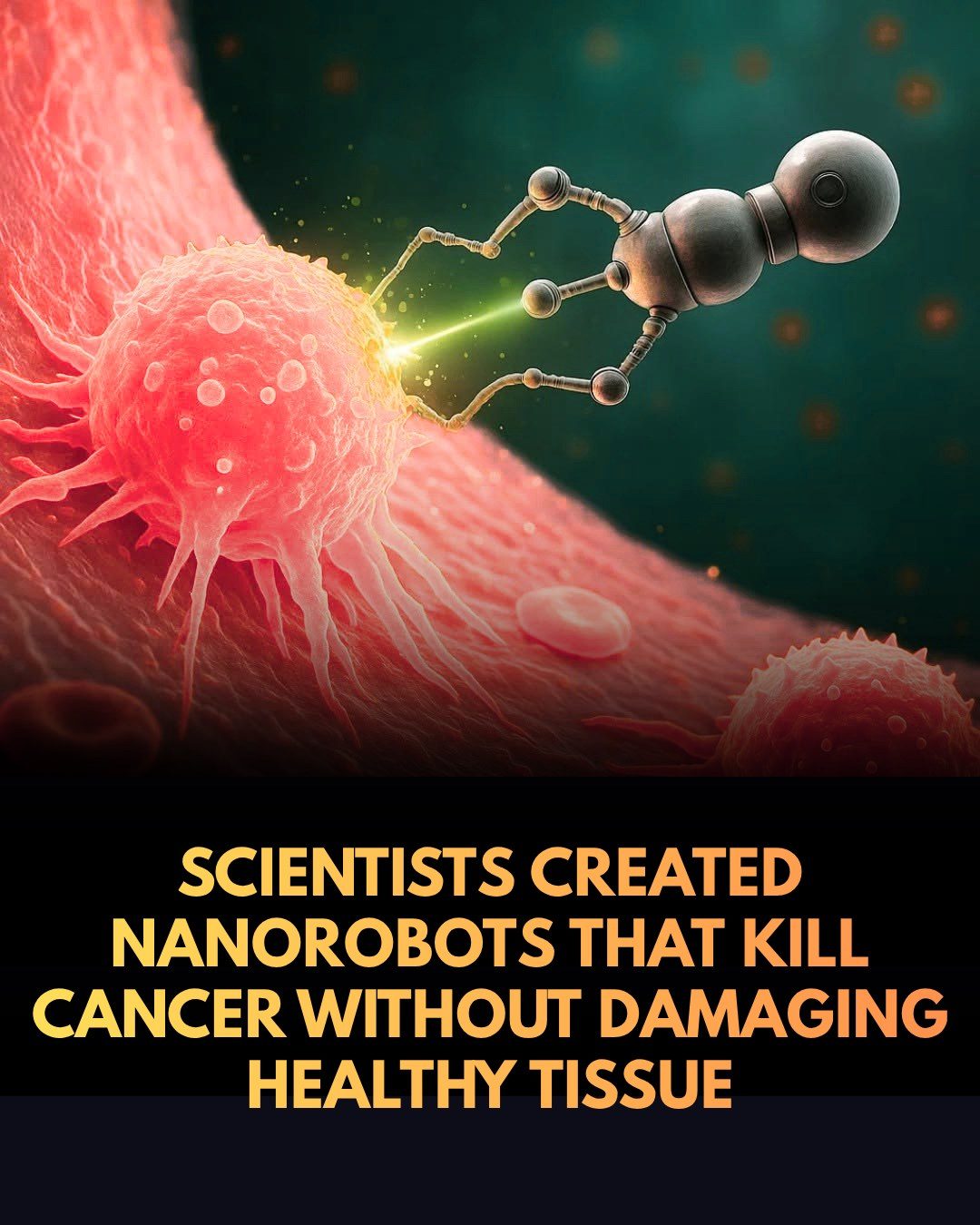
Nanobots for Cancer Treatment
Researchers have successfully created DNA-based nanorobots that target and destroy cancer cells without harming healthy tissues. This breakthrough, developed by scientists at the Karolinska Institutet in Stockholm, utilizes a technique called 'DNA origami' to build microscopic delivery vehicles. These vehicles conceal a lethal peptide weapon, which remains inactive until it encounters the acidic, low-pH environment of solid tumors. This innovative 'kill switch' ensures that the cancer-fighting agents are only activated where needed, leaving healthy cells unharmed.
Why This Matters
The advancement of nanorobots in cancer treatment represents a significant leap forward in oncology. Traditional cancer treatments often come with severe side effects because they affect both cancerous and healthy cells. The development of these pH-responsive nanorobots offers a promising alternative, potentially reducing the devastating, body-wide side effects associated with current therapies.
The Science Behind DNA-Based Nanorobots
DNA Origami
DNA origami is a cutting-edge technique that allows scientists to fold DNA into complex shapes and structures. This process involves using short DNA strands to direct the folding of a longer DNA strand into a specific 2D or 3D shape. By carefully designing these folds, researchers can create nanoscale structures with precise dimensions and functionalities.
pH-Responsive Mechanism
The nanorobots are engineered to respond to the pH levels found in tumor environments. Healthy tissue maintains a neutral pH of 7.4, while solid tumors have a more acidic environment with a lower pH. This pH difference is critical for the nanorobots' 'kill switch' mechanism. The lethal peptide weapon is concealed within the nanorobot and is only exposed and activated when it encounters the low-pH microenvironment of tumors. This ensures that the cancer-fighting agents are deployed strictly where they are needed, leaving normal cells completely unharmed.
Targeting Cancer Cells
The ability of these nanorobots to selectively target cancer cells is a game-changer. By using a combination of DNA origami and pH-responsive mechanisms, the nanorobots can precisely identify and destroy cancer cells. This targeted approach minimizes damage to healthy tissues, offering a more effective and safer treatment option.
Main Discussion
Reducing Tumor Growth
In animal models, the pH-responsive nanorobots have shown remarkable efficacy. When tested on breast cancer tumors, these nanorobots successfully reduced tumor growth by up to 70 percent compared to control groups. This significant reduction in tumor size highlights the potential of nanorobots as a powerful tool in cancer treatment.
Avoiding Healthy Tissue
One of the most significant advantages of these nanorobots is their ability to avoid damaging healthy tissue. The neutral pH of healthy cells keeps the nanorobot's weapon folded and inactive, ensuring that normal cells remain completely undamaged. This targeted approach is a major improvement over traditional cancer treatments, which often cause severe side effects due to their impact on healthy cells.
Practical Tips
While the development of DNA-based nanorobots is still in its early stages, there are several practical considerations to keep in mind for future applications:
Future Research
Further trials are necessary to confirm the safety, toxicity, and efficacy of these nanorobots in humans. Researchers will need to conduct extensive clinical studies to ensure that the benefits observed in animal models translate to human patients.
Regulatory Approval
Before these nanorobots can be widely used in cancer treatment, they will need to go through rigorous regulatory approval processes. This involves demonstrating their safety and efficacy in clinical trials, as well as ensuring compliance with regulatory standards for medical devices and treatments.
Potential Applications
The potential applications of these nanorobots extend beyond cancer treatment. The precise targeting capabilities and pH-responsive mechanisms could be adapted for other medical conditions that require targeted delivery of therapeutic agents.
Important Takeaways
The development of DNA-based nanorobots represents a significant advancement in the field of oncology. By utilizing DNA origami and pH-responsive mechanisms, these nanorobots can selectively target and destroy cancer cells while leaving healthy tissues completely unharmed. The successful reduction of tumor growth in animal models highlights the potential of this technology in cancer treatment. Further research and clinical trials are necessary to confirm the safety and efficacy of these nanorobots in humans, but the initial results are promising.
Conclusion
The development of DNA-based nanorobots offers a new and exciting approach to cancer treatment. By targeting cancer cells with unprecedented precision, these nanorobots have the potential to reduce the devastating side effects associated with traditional cancer treatments. As research continues, the hope is that this innovative technology will pave the way for more effective and safer cancer therapies in the future.
Watch the Reel
Questions readers ask
How do DNA-based nanobots target cancer cells?
DNA-based nanobots use a technique called DNA origami to specifically target cancer cells. The acidic environment of tumors or low pH acts as a trigger, activating the nanobots' payload which is inactive until it reaches the target site.
What makes nanobots a promising tool in cancer treatment?
Nanobots are promising in cancer treatment due to their ability to specifically target and destroy cancer cells while leaving healthy tissues unharmed. They are activated only in the acidic environment of tumors, ensuring precise and targeted therapy.
How do nanobots remain inactive until they reach tumors?
The DNA-based nanobots are designed to remain inactive until they encounter the acidic, low-pH environment of solid tumors. This is achieved through a clever 'kill switch' mechanism that only activates the nanobots' lethal payload when they reach the tumor site.
What are the benefits of using nanobots in cancer treatment compared to traditional methods?
Nanobots offer a significant advantage over traditional cancer treatments by minimizing side effects. Unlike traditional methods, which often harm healthy tissues, nanobots precisely target and destroy cancer cells, sparing healthy tissues from damage.
Who developed the DNA-based nanobots for cancer treatment?
The breakthrough in developing DNA-based nanobots for cancer treatment was achieved by scientists at the Karolinska Institutet in Stockholm. They used DNA origami to create these microscopic delivery vehicles that target and destroy cancer cells.
What is the role of the acidic environment in tumor targeting by nanobots?
The acidic, low-pH environment of tumors is crucial for the activation of nanobots. This environment acts as a trigger, activating the nanobots' lethal payload and ensuring that the cancer-fighting agents are only released where needed, leaving healthy cells unharmed.
Recent articles
Fresh deep dives from the latest Reels we unpacked.




Comments
Be the first to comment.