Airtime-Free Phone Invention
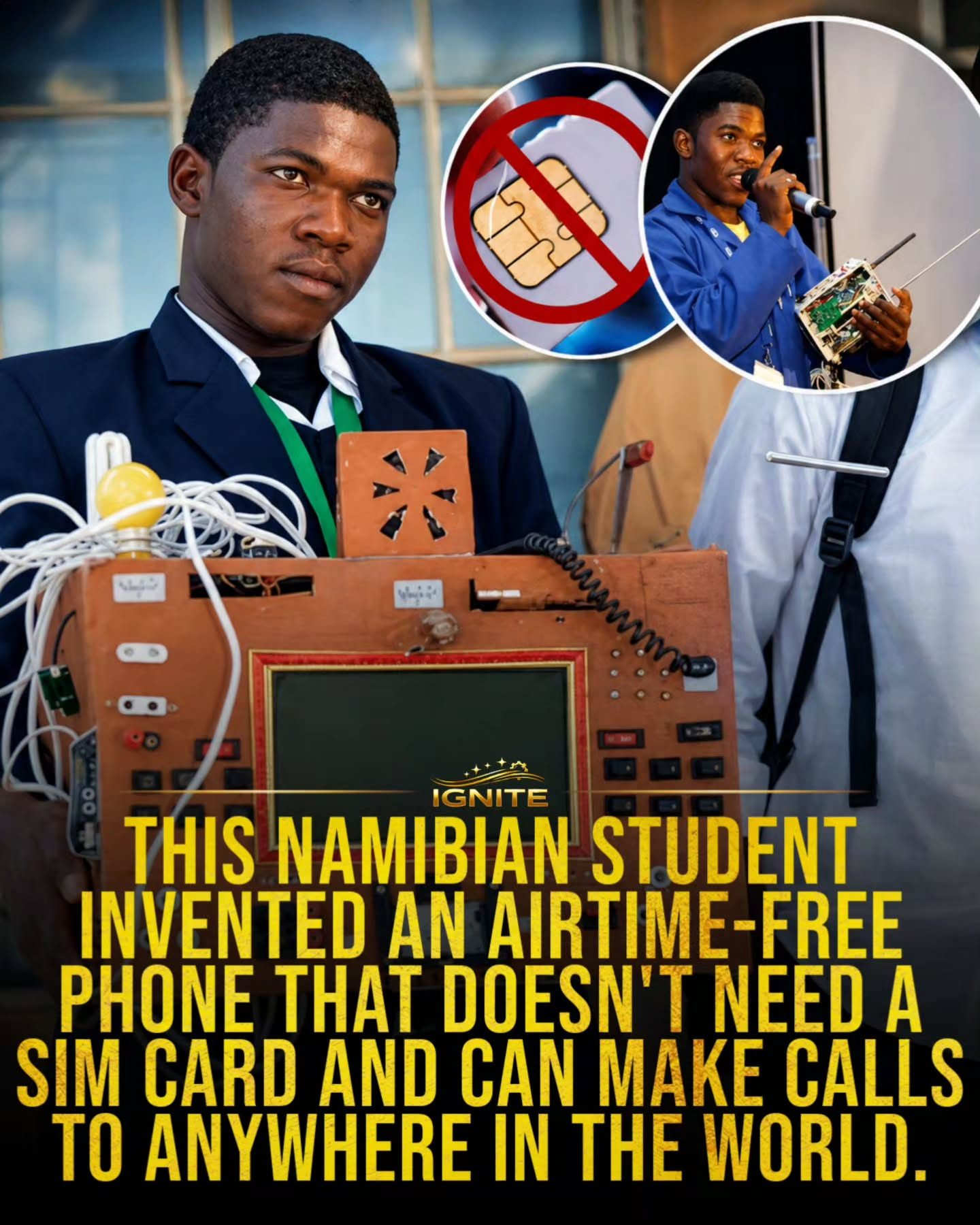
A student from Namibia, Simon Petrus, created an airtime-free phone device using discarded electronics, capturing global attention. The invention is a testament to ingenuity and resourcefulness, transforming old telephones, televisions, and other salvaged devices into a working prototype. This remarkable device includes a radio, television, light, fan, charging ports, and the ability to make radio-based calls without requiring purchased mobile airtime. Designed to assist people in rural communities where phone service is often limited or expensive, this invention not only won first place at a regional school technology competition but also inspired people worldwide.
Why This Matters
In a world where technology is often synonymous with high costs and sophisticated labs, Simon Petrus's invention stands out as a beacon of innovation driven by necessity and creativity. The device addresses a critical need in rural communities, offering a cost-effective solution to communication challenges. By repurposing discarded electronics, Petrus demonstrates the potential for sustainable and accessible technology, making it a significant contribution to the global tech landscape.
Main Discussion
The Inventive Spirit
Simon Petrus's journey began with a simple yet profound idea: to create a device that could provide essential communication services without the need for expensive airtime. His invention is a complex, boxy contraption with wires, a screen, and various components, showcasing his ability to repurpose old electronics into a functional device. This airtime-free phone uses a radio-based system, allowing users to make calls without a SIM card, bridging the communication gap in areas with limited or expensive phone services.
The Making of the Device
The device's creation involved salvaging parts from old telephones, televisions, and other discarded electronics. This process not only reduced e-waste but also emphasized the potential for sustainable technology. The phone prototype includes a radio, television, light, fan, and charging ports, making it a multifunctional gadget. The most remarkable feature, however, is its ability to make calls without the need for mobile airtime, leveraging radio-based technology to ensure accessibility.
Features and Functionality
The airtime-free phone is designed with several key features that set it apart from traditional mobile phones. These include:
- Radio-Based Calls: The device makes calls using radio technology, eliminating the need for a SIM card or purchased mobile airtime. This feature is particularly useful in rural communities where traditional mobile services are limited or expensive.
- Multipurpose Functionality: Beyond making calls, the device includes a radio, television, light, fan, and charging ports, making it a versatile tool for daily use.
- Sustainable Design: By repurposing discarded electronics, the device promotes sustainability and reduces e-waste, aligning with modern environmental concerns.
Impact and Recognition
Simon Petrus's invention has had a significant impact, inspiring people worldwide. The device won first place at a regional school technology competition, highlighting its potential and the ingenuity of its creator. The recognition underscores the value of innovative thinking and the importance of addressing real-world problems through technology.
Practical Tips
For aspiring inventors and innovators, Simon Petrus's story offers several practical tips:
Utilize Local Resources
Repurposing discarded electronics can be a cost-effective way to create innovative solutions. By leveraging available resources, inventors can reduce costs and promote sustainability. Simon Petrus's use of old telephones, televisions, and other devices demonstrates the potential for creating functional prototypes from seemingly worthless materials.
Address Real-World Problems
Innovation often stems from the need to solve real-world problems. By focusing on addressing challenges in rural communities, Simon Petrus created a device that has the potential to make a significant impact. Identifying and addressing specific needs can drive innovation and lead to meaningful contributions.
Embrace a DIY Approach
A DIY approach can be a powerful tool for innovation. Simon Petrus did not have access to a high-tech laboratory or a large budget, but he had the determination and ingenuity to turn his idea into a working prototype. Embracing a hands-on, DIY approach can foster creativity and lead to unique solutions.
Important Takeaways
Simon Petrus's airtime-free phone invention offers several important takeaways:
Innovation is Accessible
Innovation does not require high-tech laboratories or large budgets. With creativity, determination, and a focus on addressing real-world problems, anyone can make a significant contribution to the tech landscape. Simon Petrus's story is a testament to the power of innovative thinking and the potential for transforming discarded electronics into functional devices.
Sustainability and Technology
Repurposing discarded electronics can promote sustainability and reduce e-waste. By leveraging available resources, inventors can create innovative solutions that are both environmentally friendly and cost-effective. Simon Petrus's device not only addresses communication challenges in rural communities but also promotes sustainability through its design.
The Power of Determination
Simon Petrus's journey highlights the importance of determination and perseverance in the pursuit of innovation. Despite limited resources, he was able to create a functional prototype that captured global attention. His story serves as an inspiration for aspiring inventors and innovators, demonstrating the power of determination and the potential for transformative ideas.
The Impact of Local Solutions
Innovations that address local needs can have a significant global impact. Simon Petrus's device was designed to help people in rural communities where phone service is limited or expensive. By focusing on a specific problem, he created a solution that resonated with a broader audience, showcasing the potential for local innovations to make a global difference.
Conclusion
Simon Petrus's airtime-free phone invention is a remarkable example of creative problem-solving and resourcefulness. By repurposing discarded electronics, he created a multifunctional device that offers a sustainable solution to communication challenges in rural communities. The invention not only won recognition but also inspired people worldwide, demonstrating the power of innovative thinking and the potential for transforming everyday problems into opportunities for change. For those inspired by Simon’s story, the takeaway is clear: innovation can come from anywhere, and the next big idea might be just a DIY project away.
Watch the Reel
Questions readers ask
What is the airtime-free phone invented by Simon Petrus?
The airtime-free phone is a device created by Namibian student Simon Petrus using discarded electronics. It allows users to make calls and access features like radio, television, and charging ports without needing to purchase mobile airtime. This makes communication more affordable, especially for those in rural areas.
How does the airtime-free phone work?
The airtime-free phone operates using radio frequencies to enable calls. It is built from repurposed electronics such as old telephones and televisions, which are integrated to create a functional device. This allows users to communicate without the need for traditional mobile airtime.
Why is Simon Petrus's invention beneficial for rural communities?
Simon Petrus's invention is particularly beneficial for rural communities because it provides a cost-effective way to communicate. Many rural areas have limited or expensive phone services, so having a device that allows free calls and offers additional features like a radio, television, and charging ports, can greatly improve accessibility to communication and entertainment.
What inspired Simon Petrus to create the airtime-free phone?
Simon Petrus was motivated by the need for affordable communication solutions in Namibia. By repurposing discarded electronics, he aimed to address the challenges faced by people in rural communities who struggle with limited or expensive phone services. His invention showcases the potential of resourcefulness and innovation.
What features does the airtime-free phone include?
The airtime-free phone includes several features designed to enhance its usability. These features include a radio, television, light, fan, and charging ports. These additions make the device a versatile tool for both communication and daily needs, especially in areas with limited access to technology.
How did Simon Petrus's invention gain worldwide recognition?
Simon Petrus's invention gained worldwide recognition after he won first place at a regional school technology competition. The unique and practical design of the airtime-free phone attracted global attention, inspiring others with its innovative use of discarded electronics and its potential to improve communication in underserved areas.
What impact has the airtime-free phone had on global innovation?
The airtime-free phone has inspired innovators and communities around the world. Its creation using discarded electronics and its focus on providing free communication options have highlighted the power of resourcefulness and creativity. The invention demonstrates that innovative solutions can be developed even with limited resources, encouraging others to think outside the box.
Related deep dives
Similar reads based on topic and creator.



Recent articles
Fresh deep dives from the latest Reels we unpacked.




Comments
Be the first to comment.