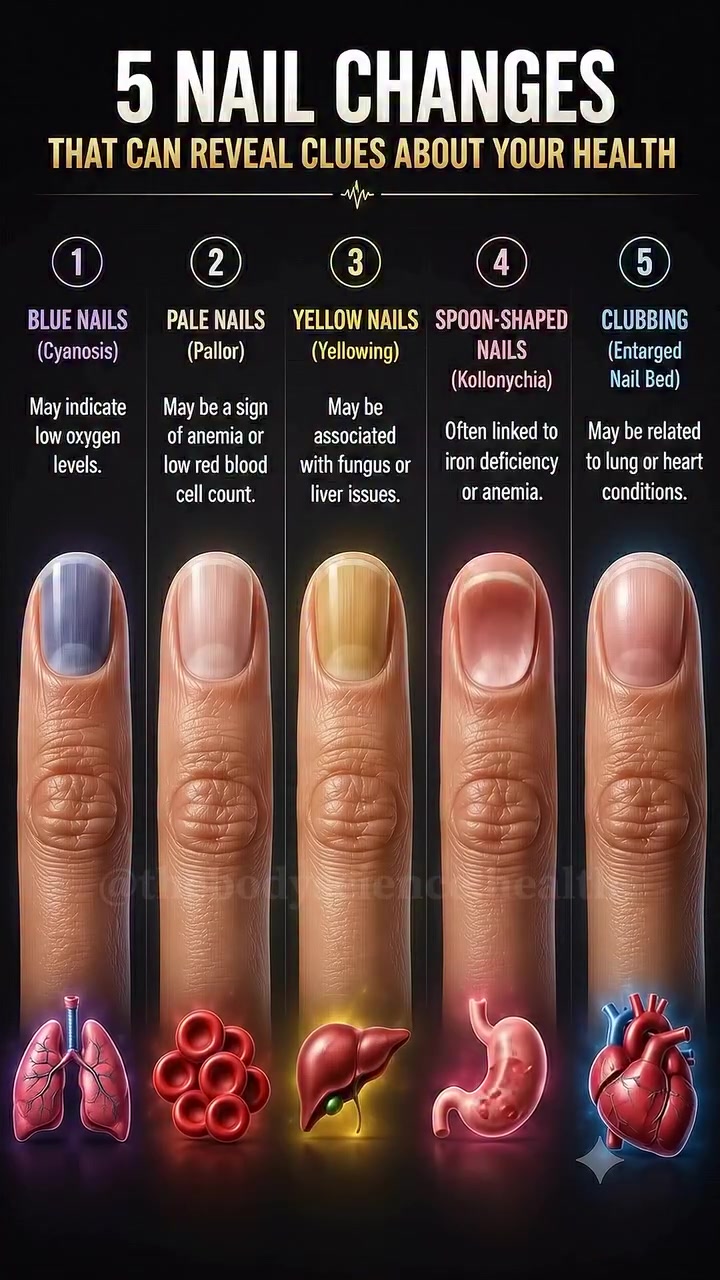
A glance at your nails can reveal more than your next pedicure appointment. According to thebodyscience.health, specific changes in nail appearance can signal underlying health issues, from nutrient deficiencies to serious conditions.
What are these nail health indicators?
Thebodyscience.health describes nail health indicators as visual clues found on the nails that may point to potential health problems. This guide doesn't diagnose health problems, but it can prompt you to seek medical help. These indicators are usually observed in changes to the color, shape, and texture of the nails. A nail's natural pink color is a sign of good health. The changes to be aware of are broadly classified into four color areas : Cyanosis (blue), Pallor (pale), Yellowing, and Pallior (white), a few shapes like spoon, clubbed, thickened, and ridged, and dark lines. Each of these, according to thebodyscience.health, can potentially be signs of health conditions. The health implications are explained visually. The indicative signs can appear on the nails as individuals progress through life, even if everything else seems fine. The changes on nails therefore shouldn't be ignored, and can be a clue to look into potential problems. Often, nail disorders are not the most obvious to think of when you begin to have general complaints about your health. But they might be the first sign of underlying health conditions. The guide highlights that nail changes are clues, not diagnoses. One nail change therefore can have many different causes, and can show up alongside other, more obvious, health symptoms that a health care provider will be on the lookout for.
What does noticing nail abnormalities contribute to diabetes or heart disease awareness?
A health provider in a recent article about nail health indicators notes that along with the nails, the skin and hair should also be monitored for any signs of trouble, especially for people who are at risk of diabetes and heart disease. Skin dryness, and brittle hair, for example can accompany nail abnormalities. Woe betide those who ignore their nails. These can clue you in to when to seek medical attention, or even prompt a lifestyle change to improve overall health. Only medical experts can diagnose and treat health conditions.
Are Nail Changes Always Health Indicators?
“Nails are the window to your health” says thebodyscience.health, a digital health platform. Whether you’re noticing changes on your nails or the nails of your loved ones, there are ten major changes to note, which may be associated with health conditions. Each of the ten changes they introduce, may point to a deficiency or a condition that needs a more thorough medical evaluation
Nail Color Change
Blue nails, according to thebodyscience.health, are associated with Cyanosis, or low oxygen levels. This could indicate a serious lung or heart condition. Immediate medical attention is required if these changes are accompanied by shortness of breath. Conditions like Raynaud's syndrome, frostbite, mesothelioma, and heart attack may also be associated with cyanosis. Yellow nails point to fungal nail infections. They can also point to conditions like liver disease. Pale nails are linked to anemia, or low red blood cell count. These can have several causes, including iron or vitamin B12 deficiency. Dark lines under the nails should always be checked. They can be linked to fungal infections, or even melanoma. In most cases of melanoma, treatment options depend on the exact nail condition, and the health of the person. Pre-cancerous nails can be removed to prevent them from progressing to melanoma, or other treatment options can be provided to keep nails healthy. Thebodyscience.health also acknowledges that many nail changes are part of the natural aging process, but should not be ignored. Getting them checked, instead of masking them, keeps you coming ahead of a progression. In addition, even a single change in nail health is a cause to initiate a check.
Changes in Nail Texture
Changes in nail shape can also point to underlying conditions. Spoon-shaped nails, or koilonychia, for example, can point to anemia, or iron deficiency. Thick or brittle nails can point to a fungal infection. Because fungal infections can be contagious, medical providers will want to ensure that the right treatment is administered. Ridges, on the other hand, can point to a nutritional deficiency. This should be an easy fix with supplements, or a visit to a nutritionist. White spots, or leukonychia, are associated with zinc deficiency, which can be fixed by including more zinc. Dark lines can be associated with heart conditions, and splinter hemorrhages. "These may be linked to heart valves, which should always be checked," advises the health provider.
A Visit to the Dermatologist
A Dermatologist points out that in order to find out why you’re experiencing abnormal changes in your nails, it’s important to consider the following. A dermatologist may want to know about any medications you’re taking, your diet, whether you have a medical condition and your lifestyle. Stress, environmental changes, and other health conditions can all affect your nail health. Finally, nail changes can be caused by fungal infections or trauma, so it’s important to have an accurate diagnosis and receive proper treatment.
Despite the nail indicators, nail health is still not necessarily a health concern.
A nail health indicator may not be a cause for concern. Regular manicures and pedicures can help keep nails healthy and looking their best. Nails should be trimmed, cleaned, and buffed regularly. It's even advisable to massage oils and creams into the nails and cuticles to keep nails moisturized. Also, a balanced diet, rich in vitamins and minerals, as well as adequate hydration, can help keep nails strong and healthy. If nails are healthy, there may not be a more cost-effective way to keep infections and other problems at bay.
Ignoring nail changes just because they may not be life-threatening
Individuals who ignore nail changes, just because they may be life-threatening, may be gravely mistaken. Ignoring the signs of malnutrition through nail changes, and ignoring the signs of heart conditions on the nails can increase the risk of early death. There are also medical conditions that can be treated before they get worse, and it’s best to prevent them from getting worse.
Watch the Reel
Questions readers ask
What specific nail color changes should I look out for that might indicate health issues?
Pay attention to blue, pale, yellow, or white discoloration. Blue nails can signal low oxygen levels, which might be due to lung or heart issues. Pale nails could indicate anemia, while yellow nails might point to fungal infections. White nails can sometimes be a sign of liver disease. These are all signs that you should consult a doctor.
How do nail shape changes relate to health problems?
Changes in nail shape, like spooning or clubbing, can also be indicative of health issues. Spooning, where the nail curves inward, can signal iron deficiency. Clubbing, where the nail tips enlarge, can be associated with lung or heart disease. Thickened or ridged nails can point to fungal infections or other underlying conditions.
Can nail changes be the first sign of diabetes or heart disease?
Yes, nail changes can sometimes be one of the earliest indicators of diabetes or heart disease. For instance, pale or blue nails can signal poor circulation, which is a common issue in these conditions. If you notice any unusual changes in your nails, it's a good idea to get checked out, especially if you have other risk factors.
What should I do if I notice any of these nail changes?
If you notice any unusual changes in your nails, don't ignore them. Make an appointment with your healthcare provider to discuss your concerns. They can perform a thorough evaluation and order any necessary tests to determine the cause. Early detection can lead to better outcomes, so it's always better to be proactive.
Are there any nail changes that are not related to health issues?
While most nail changes should be checked out by a healthcare provider, some can be benign. For example, minor discoloration from nail polish or temporary changes due to injury might not indicate a health problem. However, it's always best to err on the side of caution and consult a professional if you're unsure.
Related deep dives
Similar reads based on topic and creator.

Recent articles
Fresh deep dives from the latest Reels we unpacked.




Comments
Be the first to comment.