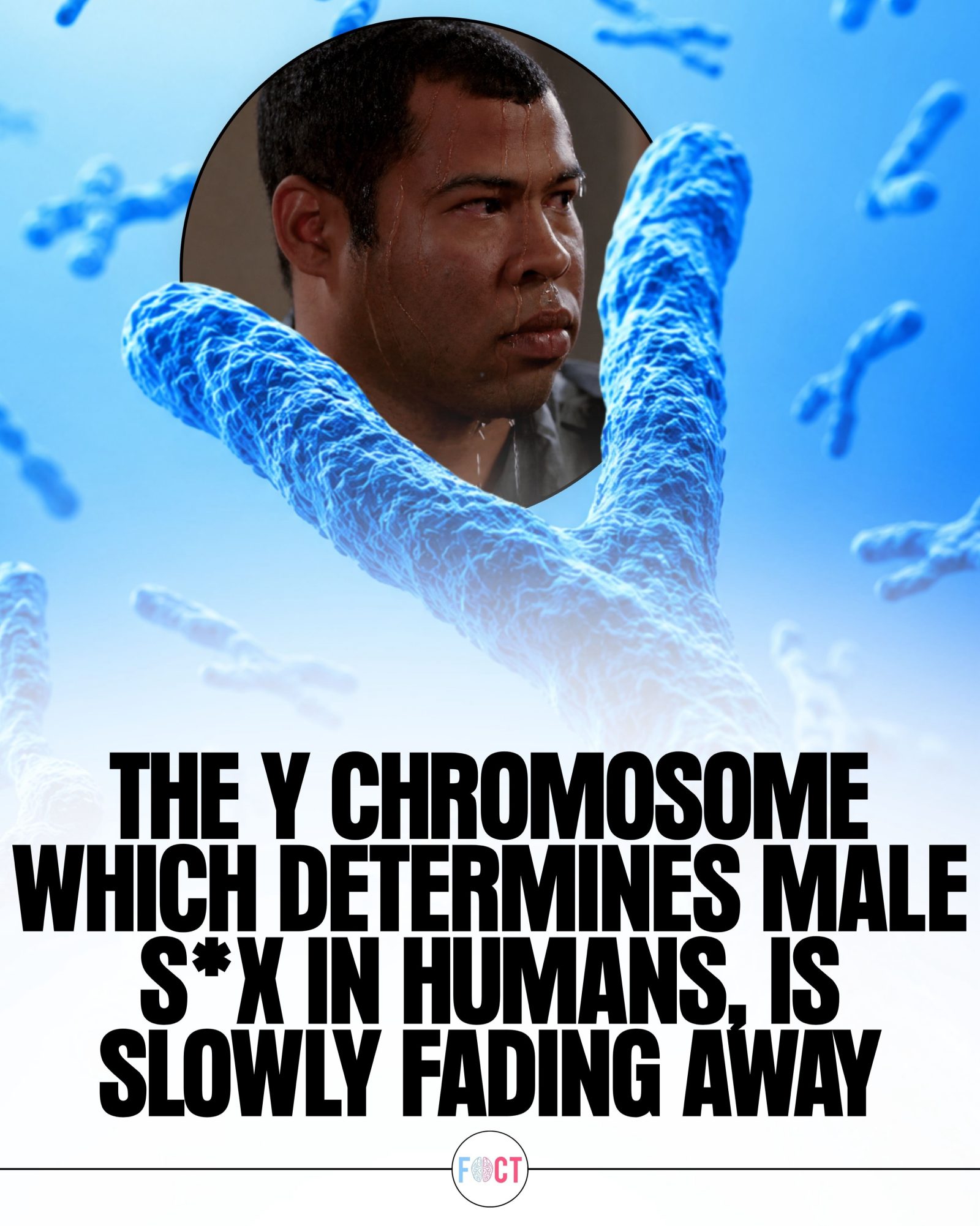
The Male Y Chromosome: Its Evolution and Future
The male Y chromosome, a critical determinant of male sex in humans, is gradually shrinking and losing genes. This process, which has been ongoing for millions of years, raises intriguing questions about the future of human biology and the mechanisms of sex determination. Over the past 166 million years, the Y chromosome has lost a staggering 97% of its original genes, reducing from around 1,600 genes to just 45-55 genes today. Let's delve into the context, implications, and future possibilities of this genetic phenomenon.
Why This Matters
The Y chromosome's decline is significant for several reasons. Firstly, it highlights the dynamic nature of human genetics, where even fundamental aspects of biology can change over vast timescales. Secondly, the Y chromosome's role in determining male sex means its future has implications for human reproduction and evolution.
Understanding the Y chromosome's evolution and potential fate can also provide insights into broader genetic processes, such as mutation, degeneration, and the development of new genetic mechanisms. Moreover, the health implications of Y chromosome loss in men underscore the importance of this genetic structure in overall human health.
The Evolution of the Y Chromosome
Origins and Early Development
The Y chromosome originated from the autosomal pair of chromosomes, gaining male-determining genes and evolving towards its current, highly degenerated state. Initially, the X and Y chromosomes were similar, but over time, the Y chromosome lost many of its genes and became more specialized in its role of male sex determination.
Gene Loss Over Time
The Y chromosome’s gene loss has been particularly pronounced. Around 1,600 genes were present 166 million years ago, but today, only 45-55 genes remain. This dramatic reduction is attributed to the Y chromosome’s inability to repair itself through recombination, a process that other chromosomes use to correct genetic damage.
The loss rate is consistent, with approximately 10 genes disappearing every million years. This rate has raised concerns about the Y chromosome's future. If this trend continues, some researchers predict that the Y chromosome could vanish entirely in the next 4.5 to 11 million years.
The Future of the Y Chromosome
Potential Stabilization
One possibility is that the Y chromosome has already stabilized and will persist in its current form. This scenario suggests that despite its shrinking size and gene loss, the Y chromosome retains essential functions that ensure its survival.
Emergence of a New Sex-Determining Gene
Another fascinating possibility is that humans might evolve a new sex-determining gene. Nature has already provided examples of this. Certain rodent species have completely lost their Y chromosomes but have developed alternative sex-determining mechanisms.
This could mean that while the Y chromosome might disappear, a new genetic system will take over the role of determining male sex. Such a shift would be a remarkable example of evolutionary adaptation and highlights the flexible nature of genetic mechanisms.
Potential for Evolutionary Adaptation
The future of the Y chromosome might involve a completely different system for determining biological sex. Evolutionary pressures and genetic adaptations could lead to new mechanisms that ensure the continuity of life and reproduction. This possibility underscores the dynamic and ever-evolving nature of human genetics.
Health Implications of Y Chromosome Loss
The Y chromosome’s health impacts go beyond its role in reproduction. As men age, many lose Y chromosomes in certain cells, which correlates with increased risks of heart disease, cancer, and earlier death. This phenomenon has been linked to why men typically live about 5 years less than women on average.
The specific mechanisms behind this correlation are still under investigation, but it is clear that the Y chromosome plays a vital role in overall male health. Understanding these processes could lead to new insights and potential treatments for age-related diseases.
Practical Considerations
Genetic Testing and Monitoring
Given the health implications, genetic testing for Y chromosome loss could become an important tool in monitoring male health. Regular screening and monitoring for Y chromosome loss in specific cells might help identify individuals at higher risk for certain diseases.
Future Research
Further research into the mechanisms of Y chromosome loss and the potential for new sex-determining genes is essential. Understanding these processes could provide valuable insights into human genetics and provide new avenues for medical intervention and treatment.
Important Takeaways
The evolution of the Y chromosome is a testament to the dynamic and ever-changing nature of human genetics. While the trend of gene loss is concerning, it also opens up possibilities for new genetic mechanisms and adaptations. Understanding the Y chromosome’s past, present, and potential future is crucial for comprehending human biology and health.
Conclusion
The male Y chromosome, with its gradual gene loss and potential for future evolution, is a fascinating example of genetic adaptation and change. While the timeline for these changes spans millions of years, the implications for human biology and health are significant. By understanding the Y chromosome’s evolution and potential future, we can gain deeper insights into the mechanisms of human genetics and the processes that shape our lives.
Watch the Reel
Questions readers ask
Why is the Y chromosome shrinking and losing genes?
The Y chromosome is losing genes due to a lack of recombination, the process that allows chromosomes to exchange genetic material. This loss has been occurring over millions of years, leading to a significant reduction in the number of genes it contains.
What does the shrinking Y chromosome mean for male sex determination?
The shrinking Y chromosome raises questions about the long-term mechanisms of male sex determination. While the current loss of genes has not yet affected this process, the future implications, especially given the rapid pace of genetic changes, are unknown.
How many genes has the Y chromosome lost over time?
Over the past 166 million years, the Y chromosome has lost approximately 97% of its original genes. This dramatic reduction has gone from around 1,600 genes to just 45-55 genes today.
Could the Y chromosome disappear entirely in the future?
While it is possible that the Y chromosome could continue to lose genes and potentially disappear, it is unlikely to happen in the near future. Scientists are actively studying this phenomenon to understand its full implications for human biology and reproduction.
What are the potential health implications of the Y chromosome's transformation?
The changes in the Y chromosome could have various health implications for males. These could range from impacts on fertility to influences on other biological processes controlled by the genes present on the Y chromosome.
How has the Y chromosome evolved over the years?
The Y chromosome has undergone significant genetic changes over millions of years, losing most of its genes. This transformation is a natural process, but it is important to note that it is still ongoing and could have future implications for human biology.
What are the implications of Y chromosome gene loss for human reproduction?
The loss of genes on the Y chromosome could potentially affect male fertility and reproductive health. However, current research does not indicate immediate concerns, and ongoing studies aim to understand the long-term effects on human reproduction.
Related deep dives
Similar reads based on topic and creator.


Recent articles
Fresh deep dives from the latest Reels we unpacked.




Comments
Be the first to comment.