Night Sky Observation
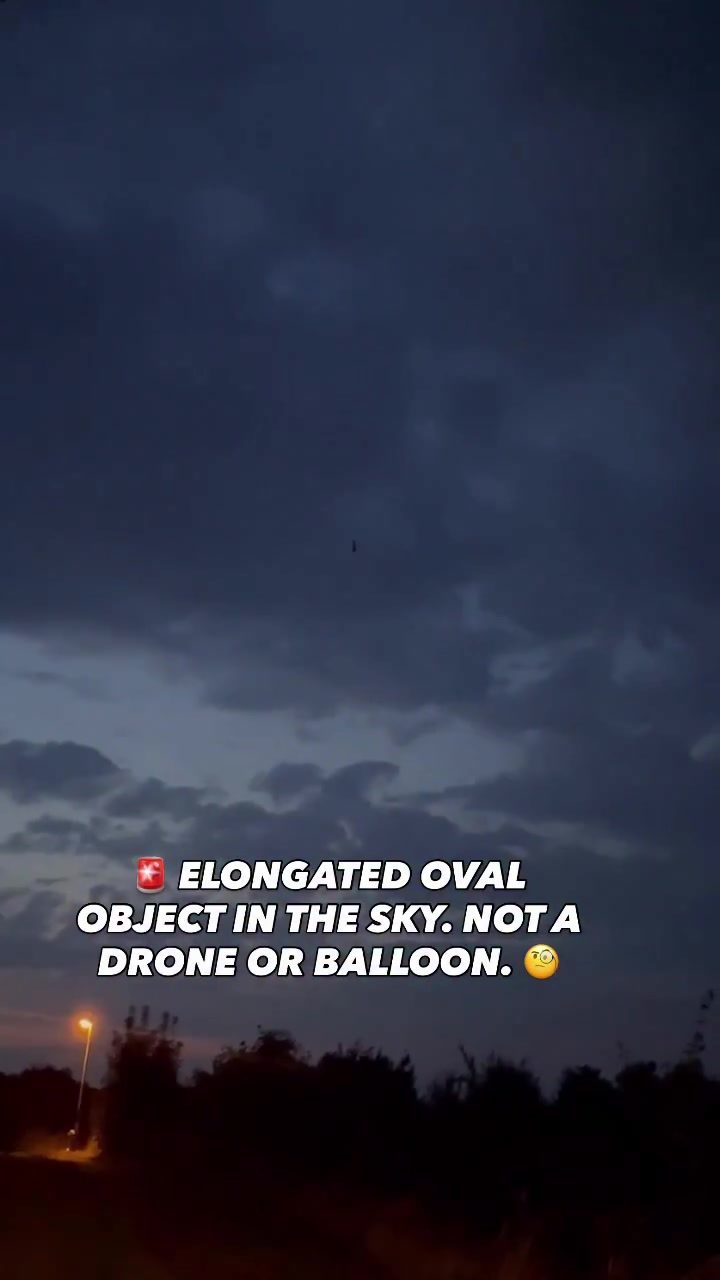
Observing the night sky can be a fascinating hobby, and one of the most intriguing aspects is spotting unidentified objects. Recently, a video has circulated showing a small, elongated, oval object in the night sky, accompanied by text overlays claiming it is not a drone or balloon. This sighting has sparked curiosity and speculation among viewers. Let's delve into the details of this sighting and explore some of the potential explanations and considerations for observing the night sky.
Context / Why This Matters
Night sky observation is a popular pastime for many, and it often involves identifying familiar celestial objects, such as stars, planets, and constellations. However, encountering an unidentified object can be both exciting and confusing. Understanding how to observe and document such events is crucial, whether you're a seasoned stargazer or a curious beginner.
Main Discussion
Identifying the Object
The object in question is described as elongated and oval, which can help narrow down potential explanations. Here are a few possibilities:
Planets and Stars
One common sight in the night sky is the planets, which can appear as bright points of light. For instance, Venus and Jupiter are often mistaken for unidentified objects due to their brightness and steady appearance. However, planets typically do not appear elongated or oval. Similarly, stars can sometimes seem elongated if viewed through a telescope or binoculars, but they usually appear as pinpoints of light to the naked eye.
Satellites
Satellites are another common sight in the night sky. They often appear as moving points of light that can sometimes be mistaken for stars. However, satellites typically move in a straight line and do not change shape. They also do not appear elongated or oval.
Aircraft and Drones
Aircraft and drones can sometimes be seen in the night sky, especially if they have lights. However, the text overlays explicitly deny the object being a drone or balloon. Aircraft and drones typically have distinct characteristics, such as flashing lights or a steady, directional movement, which are not described in this sighting.
Meteor
Meteors, or shooting stars, are small particles of debris that enter Earth's atmosphere and burn up, creating a streak of light. While meteors can appear as elongated streaks, they are typically brief and move quickly across the sky. The object in question does not appear to exhibit these characteristics.
Atmospheric Phenomena
Clouds and Lenses
Atmospheric conditions can sometimes create unusual optical illusions in the night sky. For example, clouds can sometimes refract light in a way that creates an elongated or oval shape. Additionally, atmospheric lenses, or mirages, can distort the appearance of objects in the sky, making them appear elongated or oval.
Aurora
The aurora, or Northern and Southern Lights, are natural light displays that can sometimes appear as elongated, oval shapes in the sky. However, auroras are typically more vibrant and colorful, and they usually occur at higher latitudes.
Documenting Night Sky Sightings
Observing and documenting night sky sightings can be a rewarding experience, and it's important to approach the process with a systematic and scientific mindset. Here are some tips for documenting sightings:
Use of Binoculars or Telescopes
Using binoculars or a telescope can help you get a closer look at the object and gather more details. This can help you determine its shape, color, and movement, which can be useful for identification.
Keep a Log
Maintaining a log of your sightings can help you track patterns and characteristics over time. Include details such as the date, time, location, and weather conditions, as well as a description of the object and any notable features.
Photograph and Video
Photographing or recording the sighting can provide visual evidence and help you analyze the object more closely. Use a camera with a good zoom or a night sky camera if possible.
Share Your Findings
Sharing your observations with others, whether it's through social media, forums, or local astronomy groups, can help you gather more insights and compare notes with other observers. This can also help verify the sighting and potentially lead to a more definitive identification.
Practical Tips
Choosing the Right Equipment
Choosing the right equipment is essential for effective night sky observation. Here are some tips:
- Binoculars: Binoculars can be a great starting point for night sky observation. They are portable, easy to use, and can provide a good view of celestial objects.
- Telescopes: Telescopes offer a more detailed view of the night sky and are suitable for observing planets, stars, and other celestial bodies.
- Astrophotography Cameras: If you're interested in capturing images of the night sky, consider using an astrophotography camera. These cameras are designed to capture low-light images and can provide detailed and high-quality photographs.
Identifying Objects in the Sky
Identifying objects in the sky can be challenging, especially if you're new to astronomy. Here are some tips for identifying common celestial objects:
- Stars: Stars are typically pinpoints of light and appear steady in the sky. They can vary in brightness and color, depending on their temperature and size.
- Planets: Planets, such as Venus, Jupiter, and Mars, can appear as bright points of light in the sky. They often have a distinctive color and can sometimes be seen with the naked eye.
- Constellations: Constellations are patterns of stars that form recognizable shapes in the night sky. Learning to identify constellations can help you navigate the night sky and locate other celestial objects.
Keeping a Log
Keeping a detailed log of your observations can help you track patterns and characteristics over time. Include details such as the date, time, location, and weather conditions, as well as a description of the object and any notable features. This can help you analyze your observations more closely and potentially identify the object.
Important Takeaways
Observing the night sky can be a fascinating and rewarding experience. However, it's important to approach the process with a systematic and scientific mindset. Here are some key takeaways:
- Identify Common Objects: Familiarize yourself with common celestial objects, such as stars, planets, and constellations, to help you identify unfamiliar objects.
- Use the Right Equipment: Choose the right equipment for your needs, whether it's a pair of binoculars, a telescope, or an astrophotography camera.
- Document Your Observations: Keep a detailed log of your observations, including details such as the date, time, location, and weather conditions, as well as a description of the object and any notable features.
- Share Your Findings: Share your observations with others, whether it's through social media, forums, or local astronomy groups, to gather more insights and compare notes with other observers.
Conclusion
Observing the night sky can be an exciting and rewarding experience, and encountering an unidentified object can add an extra layer of intrigue. Understanding how to identify and document such sightings can help you make the most of your observations and potentially uncover more about the object in question. Whether you're a seasoned stargazer or a curious beginner, the night sky offers endless opportunities for discovery and exploration.
Watch the Reel
Questions readers ask
What should I do if I spot an unidentified object in the night sky?
Start by observing the object's shape, size, and movement. Using a camera to record the sighting can provide valuable data for later analysis. Try to establish a reference point in the sky, like a star or constellation, to track its movement and document your observations.
How can I rule out common explanations like drones or balloons?
Consider the object's behavior and characteristics. Drones typically have flashing lights and move erratically, while balloons drift slowly with the wind. If the object moves in a controlled, steady manner without visible lights, it might be something else entirely.
What features should I focus on when documenting a night sky sighting?
Note the time, date, and location of the sighting, as well as the weather conditions. Include details about the object's appearance, such as color, brightness, and shape. If possible, record the altitude, direction, and any unique movements or behaviors, and note any foreground objects, like trees, that might add context.
What are some potential explanations for an oval-shaped object in the night sky?
Oval-shaped objects could be various things, such as weather phenomena, satellites, or even astronomical events. Unusual cloud formations, such as lenticular clouds, can sometimes appear as oval objects. Satellites, particularly those in low Earth orbit, can also exhibit unusual shapes and movements, and meteorological-like phenomena that occur during cloudy night skies might have an effect.
How can I enhance my night sky observation experience?
Familiarize yourself with common night sky objects, such as stars, planets, and constellations. Use a star chart or mobile app to identify familiar landmarks in the sky. Keep a log of your observations, noting any unusual sightings and tracking their movements.
What should I do if I encounter a cloudy night sky?
A cloudy night sky can still offer interesting observations. Pay attention to the shapes and movements of the clouds, as they can sometimes reveal interesting weather phenomena, though identifying objects might be more challenging.
How can foreground objects, like trees, help in night sky observation?
Foreground objects can provide scale and reference points, helping to determine the size, altitude, and movement of objects in the sky. Including these in your documentation can provide additional context and aid in analyzing your observations.
Related deep dives
Similar reads based on topic and creator.


Recent articles
Fresh deep dives from the latest Reels we unpacked.




Comments
Be the first to comment.