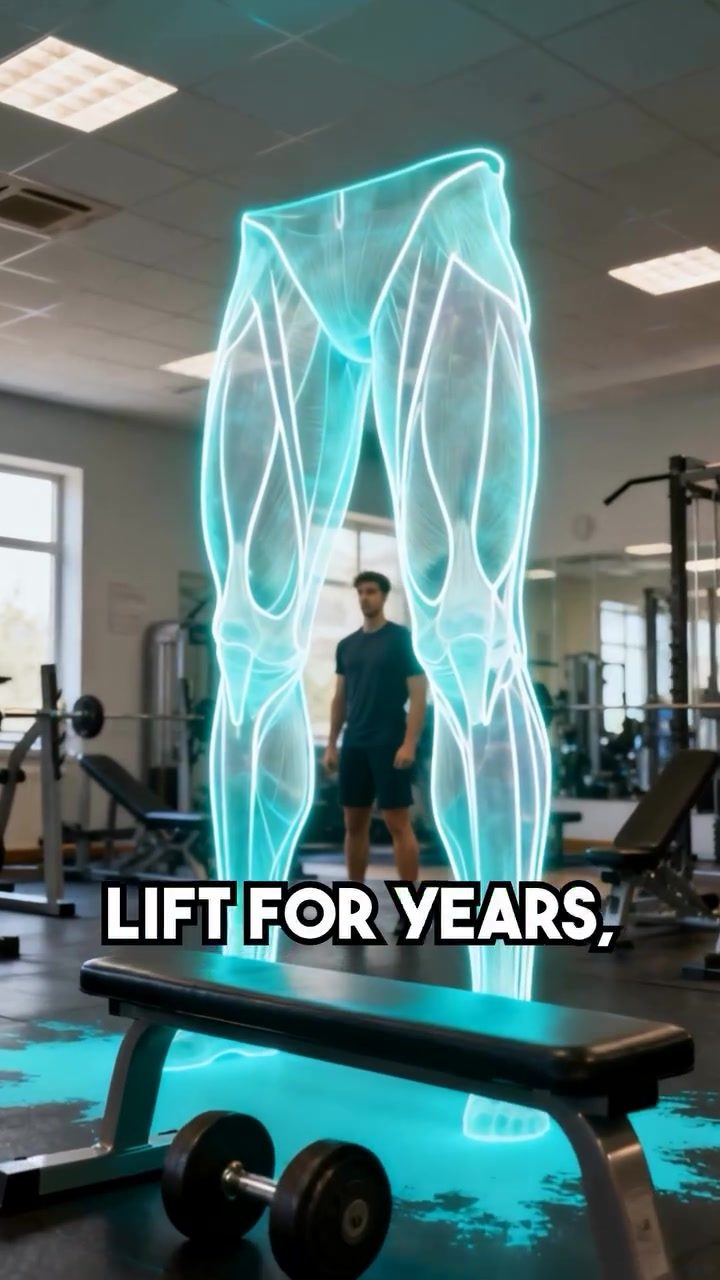
Muscle Memory: The Science Behind Regaining Fitness Gains
Muscle memory is a fascinating phenomenon that makes regaining fitness gains after a break from training much easier. When you lift weights, your body undergoes a series of adaptations that make it easier to rebuild muscle. Understanding muscle memory can help maintain long-term fitness goals and make returning to training after a break less daunting.
Why This Matters
Understanding muscle memory is crucial for anyone who engages in strength training. It provides valuable insights into the body's ability to retain and quickly regain muscle mass and strength, even after extended periods of inactivity. This knowledge can motivate individuals to stay consistent with their training and make informed decisions about their fitness regimens.
The Role of Myonuclei
One theory behind muscle memory involves myonuclei, tiny control centers added to muscle fibers during training. These myonuclei may remain in the muscle fibers even after training stops, potentially facilitating faster muscle regrowth when training resumes. However, the evidence supporting this theory is mixed. Some studies suggest that myonuclei can persist for 4 months, while others indicate they may remain for 3 to 12 months. The variability in findings highlights the need for further research to fully understand the role of myonuclei in muscle memory.
Epigenetic Memory
A stronger case for muscle memory lies in epigenetic memory. Training activates specific genes by adding chemical tags to DNA, which switch on growth instructions. These tags stay active even after muscle size returns to baseline, priming the muscles for faster regrowth when training resumes. A 2018 study found that these epigenetic changes remained active, supporting the idea that muscle memory is rooted in genetic modifications.
How Muscle Memory Works
The Impact of Training Duration
The duration of your training significantly affects muscle memory. Individuals who lift for extended periods and then take a break are likely to regain their muscle mass and strength more quickly than those who start training but stop early. This is because the longer you train, the more robust the "instructions" for muscle growth become. These instructions, in the form of epigenetic modifications, make it easier to rebuild muscle even after a prolonged break.
Protein Synthesis and Muscle Memory
Protein synthesis, the process by which the body builds proteins, is crucial for muscle growth and repair. A 2025 study found that muscle-building proteins, including those involved in contraction and calcium signaling, remain elevated even after 10 weeks of inactivity. This means that your muscles are primed for regrowth, even if you take an extended break from training.
Real-World Examples
In a 2024 trial, participants who trained for 10 weeks, then rested for 10 weeks, were able to regain all their lost muscle and strength in just 5 weeks of retraining. This dramatic example showcases the power of muscle memory and epigenetic changes, underscoring the importance of consistent training, especially in the early stages of a fitness journey.
Practical Tips for Maintaining Muscle Memory
Consistency is Key
Staying consistent in your training, especially during the first year, is crucial for building a strong foundation of muscle memory. This consistency helps in writing the "instructions" for muscle growth, which can be easily reactivated even after extended breaks.
Early Training Benefits
Beginners should focus on consistent training to establish a strong base of muscle memory. Early breaks can lead to a faster loss of gains because the instructions for muscle growth are not yet fully established. Therefore, it's best to stick with a training routine to maximize long-term benefits.
Managing Breaks
For experienced trainers, breaks are less of a concern. Your muscles have already developed a robust set of instructions for growth, making it easier to regain lost muscle and strength. However, it's still essential to manage breaks effectively to maintain overall fitness and progress.
Optimization Strategies
Maintaining a healthy diet and adequate rest can also support muscle memory. Proper nutrition provides the necessary nutrients for muscle repair and growth, while rest allows the body to recover and rebuild. Incorporating these elements into your fitness routine can enhance the benefits of muscle memory and overall training effectiveness.
Important Takeaways
- Muscle memory is a key factor in regaining fitness gains after a break.
- Long-term training builds a robust base of muscle memory, making regaining strength and muscle mass easier.
- Epigenetic modifications play a crucial role in muscle memory, priming muscles for faster regrowth.
- Consistency in training, especially in the early stages, is essential for establishing muscle memory.
- Breaks in training are less detrimental for experienced trainers, but consistent training remains important for overall fitness.
Conclusion
Muscle memory is a powerful phenomenon that can significantly impact your fitness journey. By understanding the science behind muscle memory, you can make informed decisions about your training, manage breaks effectively, and maintain a strong, resilient physique. Whether you're a beginner or an experienced trainer, leveraging muscle memory can help you achieve and maintain your fitness goals with greater ease and efficiency.
Watch the Reel
Questions readers ask
What exactly is muscle memory and how does it aid in regaining fitness after a break?
Muscle memory refers to the body's ability to quickly regain muscle mass and strength after a period of inactivity. When you train, your body adapts by creating new neural pathways and protein structures. During a break, these adaptations are not lost; they are simply dormant. This makes it easier to regain fitness quickly when you return to your workout routine.
How long does it take to regain fitness after a break, thanks to muscle memory?
The time it takes to regain fitness varies depending on the length of the break and your previous fitness level. Some people may see significant improvements in as little as a few weeks, while others might take a couple of months. Generally, muscle memory helps you regain your previous strength and muscle mass more quickly than it initially took to build it.
Can muscle memory help with skills like dancing or playing an instrument, or is it only for strength training?
Muscle memory is not limited to strength training. It also plays a significant role in regaining skills that involve coordination, balance, and motor patterns, such as dancing or playing a musical instrument. This is because the brain retains the learned movements and neural patterns, making it easier to recall and reacquire these skills when you return to them.
What are some tips to maximize muscle memory benefits when returning to fitness after a break?
To maximize muscle memory benefits, start with a lower intensity and gradually increase the load and volume of your workouts. Ensure you maintain a balanced diet to support muscle growth and regeneration. Stay consistent with your training schedule, and consider working with a fitness professional to guide your return to fitness safely and effectively.
Does muscle memory mean I can take long breaks and still maintain fitness?
While muscle memory makes it easier to regain fitness, it does not mean you can take indefinite breaks without any loss. The longer the break, the more muscle mass and strength you may lose. Consistency is key to maintaining fitness, and while muscle memory helps you bounce back, it's best to minimize prolonged breaks to retain your gains.
Are there specific muscle memory exercises that can help me regain fitness quickly?
There are no specific 'muscle memory exercises,' but rather, focusing on compound movements that engage multiple muscle groups can help you regain fitness quickly. Exercises like squats, deadlifts, bench presses, and pull-ups are excellent choices. These movements stimulate a large number of muscle fibers and neural pathways, helping you rebuild strength and muscle mass more efficiently.
Recent articles
Fresh deep dives from the latest Reels we unpacked.




Comments
Be the first to comment.