mRNA Patch Technology
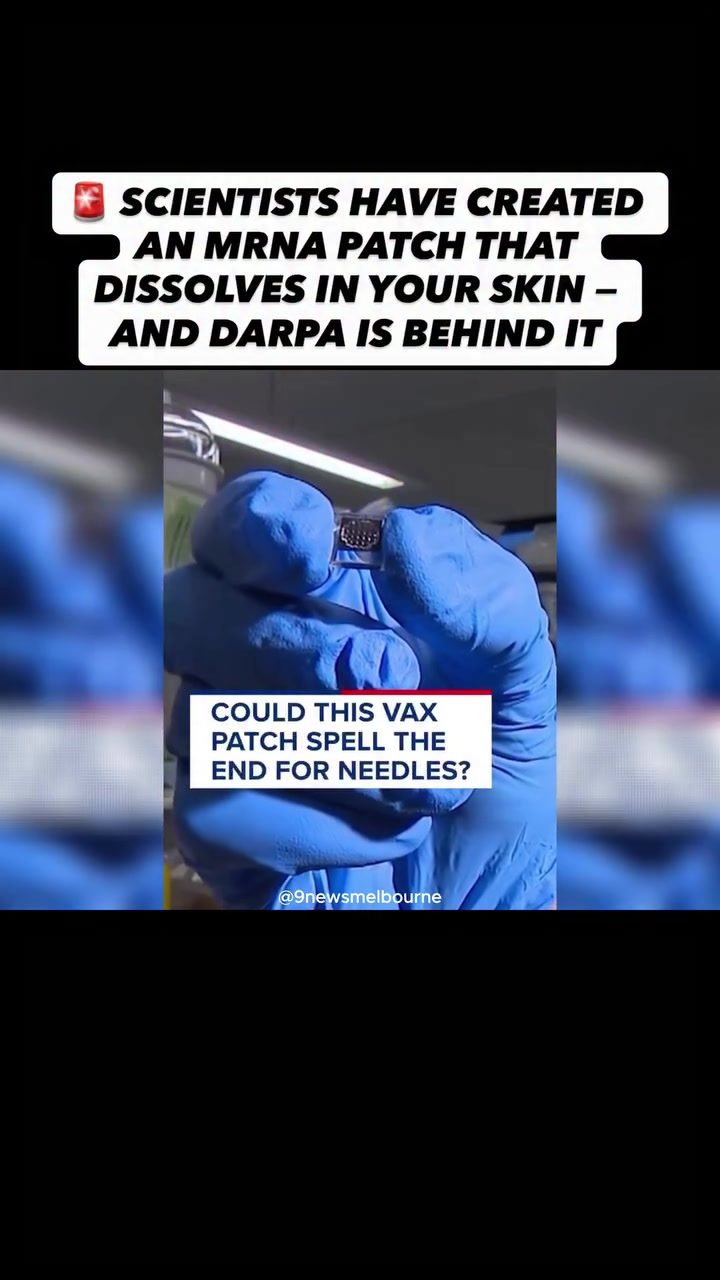
The mRNA patch is an innovative technology that represents a significant advancement in modern medicine. This tiny patch, developed by RMIT University, MIT, and Harvard Medical School, features micro-needles that dissolve into the skin, providing a pain-free method for administering vaccines and treating infectious diseases. Unlike traditional mRNA vaccines, which require ultra-cold storage and quick use, these patches can remain stable at room temperature for months. This stability not only simplifies distribution and storage but also enhances the practicality of vaccine deployment in various settings.
Context / Why this matters
The development of the mRNA patch is closely linked to the Defense Advanced Research Projects Agency (DARPA), which has been instrumental in advancing biological technologies. The roots of this program stretch back nearly a decade, indicating a long-term investment in innovative health solutions.
Main discussion
The Technology Behind the Patch
The mRNA patch looks deceptively simple, resembling a small computer chip. However, its design is far from basic. The patch is embedded with micro-needles that, when applied to the skin, dissolve and deliver the mRNA payload directly into the body. This method eliminates the need for traditional syringe injections, making the process of vaccine administration painless and more efficient. Additionally, the patch's ability to remain stable at room temperature for extended periods addresses a significant logistical challenge in vaccine distribution.
Micro-needles are a key component of the patch. These tiny structures are designed to penetrate the skin without causing pain or discomfort. Once applied, the micro-needles dissolve, ensuring that the mRNA is delivered directly to the target cells. This innovative approach not only enhances the user experience but also improves the efficacy of the vaccine by ensuring precise and controlled delivery.
DARPA's Role and Continuous Health Monitoring
The mRNA patch technology has deep roots in DARPA, the agency behind many groundbreaking advancements in military and medical technology. DARPA has been openly discussing and developing this technology for nearly a decade. Colonel Matt Hepburn, a program manager in the Biological Technologies Office at DARPA, has been actively involved in managing this technology. Hepburn, an active-duty Army infectious diseases physician, has specialized in addressing biological threats, both natural and engineered, such as Ebola and pandemic influenza. His expertise and leadership have been crucial in advancing the mRNA patch technology.
One of the companies under DARPA's SBIR program, Profusa, is working on achieving tissue-level continuous health monitoring. Through this program, DARPA has funded Profusa to solve significant technical challenges, including the creation of sensors that can be implanted underneath the skin. These sensors are designed to sense vital parameters such as oxygen levels and other chemicals crucial to metabolism. Unlike traditional sensors, these can remain functional for years, providing continuous health monitoring and data collection. This technology paves the way for ongoing health observation, which could revolutionize healthcare by enabling early detection and management of health issues.
Potential Implications
The development of mRNA patch technology has broader implications beyond vaccine administration. The ability to deliver mRNA through a painless, needle-free method opens up new possibilities for treating a wide range of diseases. The patch's stability at room temperature also simplifies logistics, making it easier to distribute vaccines to remote or resource-limited areas.
Moreover, the integration of continuous health monitoring through sensors like those developed by Profusa represents a significant leap in healthcare infrastructure. Long-term monitoring of vital biological parameters can enable early intervention and personalized treatment plans, potentially saving lives and improving overall health outcomes. While this technology offers immense benefits, it also raises questions about data privacy and ethical considerations related to continuous monitoring and control.
Practical tips
For healthcare providers and institutions interested in adopting mRNA patch technology, several practical steps can be taken to ensure successful implementation:
-
Training and Awareness: Ensure that healthcare providers are adequately trained in the application and management of mRNA patches. This includes understanding the patch's mechanism of action and potential side effects.
-
Storage and Distribution: Take advantage of the patch's stability at room temperature by streamlining distribution processes. This can significantly reduce costs and logistical challenges associated with traditional vaccine storage.
-
Integration with Monitoring Systems: Explore the integration of mRNA patches with continuous health monitoring systems. This can provide valuable data for early intervention and personalized treatment plans.
-
Regulatory Compliance: Ensure that all procedures and protocols comply with local and international regulations. This includes proper labeling, handling, and disposal of the patches.
Important takeaways
mRNA patch technology represents a major breakthrough in modern medicine, offering a painless and efficient way to deliver vaccines and treat infectious diseases. The involvement of DARPA and other leading institutions underscores the potential of this technology to revolutionize healthcare. However, it also raises important questions about data privacy and ethical considerations, which need to be addressed as the technology continues to evolve.
Conclusion
The mRNA patch is more than just a new method of vaccine delivery; it is a groundbreaking technology with the potential to transform healthcare. By providing a painless, efficient, and stable method of mRNA delivery, this technology can make a significant impact on public health and disease management. As research and development continue, the integration of continuous health monitoring could further enhance the benefits of mRNA patch technology, paving the way for a future of personalized and proactive healthcare.
Watch the Reel
Questions readers ask
What makes mRNA patches a revolutionary advancement in vaccine delivery?
mRNA patches are revolutionary because they offer a pain-free method of vaccine delivery using dissolvable micro-needles. This makes vaccination a more comfortable experience. Unlike traditional vaccines, mRNA patches can be stored at room temperature for months, making vaccine distribution significantly easier.
How does DARPA contribute to the development of mRNA patches?
DARPA has played a significant role in the development of mRNA patches. The agency's involvement has facilitated the advancement of this technology, focusing on creating vaccine delivery methods that are both practical and effective. The partnership between DARPA and organizations like RMIT University, MIT, and Harvard Medical School has led to the creation of these innovative, stable, and easy-to-use patches.
What are the storage advantages of mRNA patches compared to traditional mRNA vaccines?
Traditional mRNA vaccines require ultra-cold storage, which can be logistically challenging. In contrast, mRNA patches can be stored at room temperature for extended periods. This makes them more convenient and practical for deployment in various settings, especially in areas where ultra-cold storage may not be readily available.
How do mRNA patches work to deliver vaccines?
mRNA patches work by utilizing tiny, dissolvable micro-needles that deliver mRNA directly into the skin. This method is pain-free and effective for administering vaccines and treating infectious diseases. The micro-needles dissolve into the skin, ensuring that the vaccine is delivered efficiently without causing discomfort.
What are the benefits of using mRNA patches for vaccine distribution?
mRNA patches simplify vaccine distribution by eliminating the need for ultra-cold storage. Their stability at room temperature allows for longer shelf life and easier transportation. This makes them an ideal solution for mass vaccination campaigns, particularly in remote or underserved areas where traditional vaccine storage methods may be impractical.
Can mRNA patches be used to treat infectious diseases?
Yes, mRNA patches are designed not only for vaccine delivery but also for treating infectious diseases. The dissolvable micro-needles ensure that the mRNA is effectively delivered into the skin, making them a versatile tool for both preventive and therapeutic applications.
What role do dissolvable micro-needles play in mRNA patches?
Dissolvable micro-needles are a key component of mRNA patches, as they enable the delivery of mRNA directly into the skin. These micro-needles dissolve upon contact, ensuring that the mRNA is absorbed effectively. This method is not only painless but also enhances the efficiency of vaccine delivery, making it a superior alternative to traditional injection methods.
Related deep dives
Similar reads based on topic and creator.




Recent articles
Fresh deep dives from the latest Reels we unpacked.




Comments
Be the first to comment.