Mr. Trash Wheel: Cleaning Up Baltimore's Inner Harbor
Mr. Trash Wheel is an innovative environmental technology designed to keep Baltimore's Inner Harbor clean. This solar- and water-powered trash interceptor has been an integral part of the city's waste management system for years. Let's explore how Mr. Trash Wheel works, its impact on the environment, and why it matters for urban waterways.
Why This Matters
Urban waterways often face significant pollution challenges due to litter and debris. Mr. Trash Wheel addresses this issue by providing an automated, eco-friendly solution to trash collection. By keeping the waterways clean, it not only improves the aesthetics of the harbor but also protects the marine life in the Chesapeake Bay.
Mr. Trash Wheel: How It Works
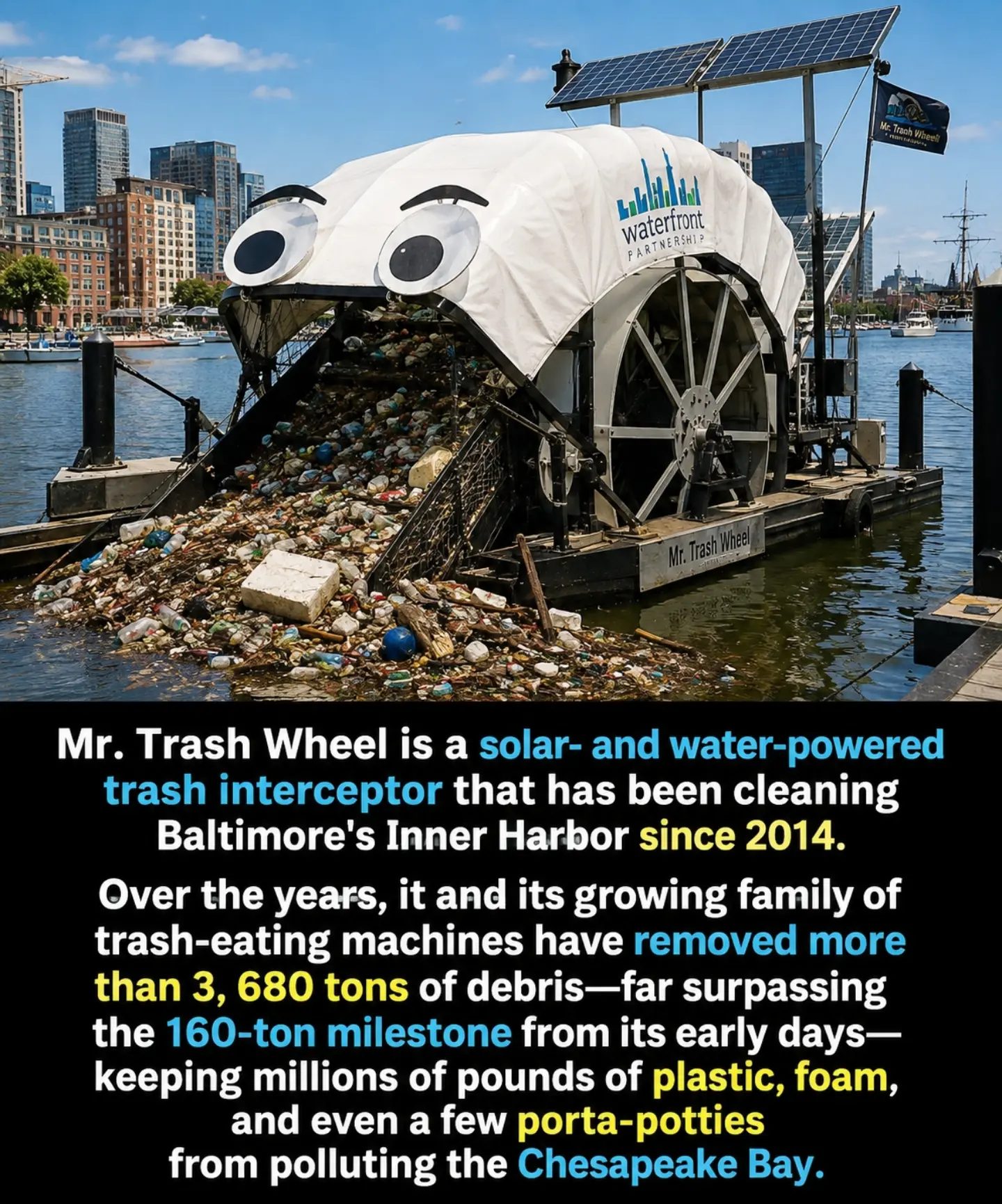
Mr. Trash Wheel operates using a combination of solar power and the natural flow of water. Positioned strategically in Baltimore's Inner Harbor, the device is designed to intercept and collect various types of debris, including plastic, foam, and even larger items like porta-potties.
Solar and Water Power
The solar panels on top of Mr. Trash Wheel generate the electricity needed to power its mechanisms. The water current provides additional energy, turning a large water wheel that drives the conveyor system. This dual-power system ensures that Mr. Trash Wheel operates efficiently and sustainably.
Debris Collection
Mr. Trash Wheel's primary function is to collect debris floating on the water's surface. As the water flows through the device, a conveyor system carries the trash up and deposits it into a dumpster. This process not only keeps the harbor clean but also prevents debris from flowing into the Chesapeake Bay, which is crucial for maintaining the ecosystem's health.
Impact on the Environment
Since its installation in 2014, Mr. Trash Wheel has made a substantial impact on the environment. It has successfully removed over 3,680 tons of debris from Baltimore's waterways. This significant reduction in waste helps protect marine life and maintains the water quality, making the harbor a safer and more pleasant environment for both residents and wildlife.
Practical Tips for Maintaining Clean Waterways
While Mr. Trash Wheel does an excellent job of keeping Baltimore's Inner Harbor clean, there are additional steps everyone can take to help maintain clean waterways:
- Reduce Waste: Minimize the use of single-use plastics and other disposable items that often end up in waterways.
- Proper Disposal: Ensure that all trash, especially recyclables, is properly disposed of in designated bins.
- Community Involvement: Participate in local cleanup efforts and encourage others to do the same. Community involvement is key to keeping waterways clean.
- Support Environmental Initiatives: Back organizations and projects like Mr. Trash Wheel that focus on environmental sustainability.
Important Takeaways
Mr. Trash Wheel serves as a model for environmental technology in urban areas. Its efficient and sustainable design demonstrates how technology can be harnessed to address pollution and protect the environment. By understanding and supporting initiatives like Mr. Trash Wheel, we can collectively work towards cleaner, healthier waterways.
Conclusion
Mr. Trash Wheel is a remarkable example of how innovative technology can be used to tackle environmental challenges. Its dual-power system and effective debris collection make it an essential tool for keeping Baltimore's Inner Harbor clean. By continuing to support and expand such initiatives, we can ensure that our waterways remain safe and sustainable for future generations.
Watch the Reel
Questions readers ask
How does Mr. Trash Wheel collect debris from the harbor?
Mr. Trash Wheel uses a conveyor belt system to collect debris and litter as it flows through the water. The conveyor belt is powered by a combination of solar and water energy, making it an efficient and eco-friendly method for keeping the harbor clean.
What types of debris does Mr. Trash Wheel typically collect?
Mr. Trash Wheel collects a variety of debris, including plastic bottles, Styrofoam, and other types of litter. It also captures larger items like tires and shopping carts, which can pose significant hazards to marine life.
How does Mr. Trash Wheel benefit marine life in the Chesapeake Bay?
By intercepting trash before it can reach the Chesapeake Bay, Mr. Trash Wheel helps protect the marine ecosystem. This prevents harmful debris from endangering wildlife, polluting the water, and disrupting the natural habitat.
Can I visit Mr. Trash Wheel in action?
Yes, Mr. Trash Wheel is located in Baltimore's Inner Harbor and can be seen in action from the harbor's walkways. Additionally, there are videos available online that showcase Mr. Trash Wheel's operations and the impressive amount of debris it collects.
How effective is Mr. Trash Wheel in keeping the harbor clean?
Mr. Trash Wheel has been highly effective in reducing litter and debris in the harbor. Since its installation, it has collected millions of pounds of trash, significantly improving the cleanliness and appearance of the Inner Harbor.
What happens to the debris after it is collected by Mr. Trash Wheel?
The debris collected by Mr. Trash Wheel is sorted and recycled whenever possible. Non-recyclable waste is sent to landfills. This process ensures that the trash is managed responsibly, further contributing to the overall cleanliness of the harbor and the environment.
Are there other places using similar technology to Baltimore's Mr. Trash Wheel?
Yes, the success of Mr. Trash Wheel has inspired similar projects in other cities. Trash interceptor technology is being used in waterways around the world, including other locations in the United States, to combat pollution and keep urban waterways clean.
Related deep dives
Similar reads based on topic and creator.




Recent articles
Fresh deep dives from the latest Reels we unpacked.




Comments
Be the first to comment.