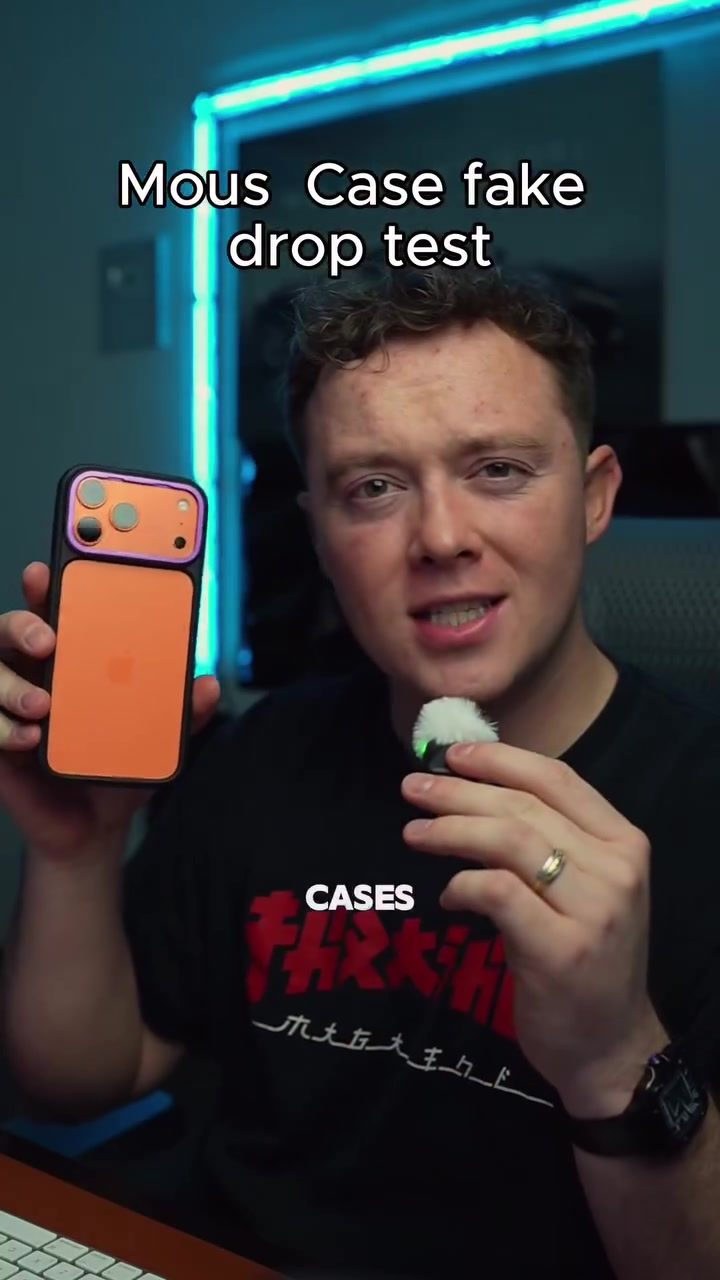
Phone Case Drop Test
Phone cases are essential accessories for protecting mobile devices from drops, scratches, and other potential damages. Recently, there has been a lot of discussion about the effectiveness of phone cases, particularly those from the brand Mous. Let's dive into the details and explore what makes a good phone case and how to test its durability.
Why this matters
Phone cases are more than just fashion statements; they serve a crucial purpose in safeguarding expensive devices. With the increasing popularity of high-end smartphones, the importance of reliable protection cannot be overstated. A well-designed phone case should absorb the impact of drops, prevent scratches, and maintain the device's functionality.
Main discussion
The Science Behind Phone Case Drop Tests
Drop tests are a common method to evaluate the durability of phone cases. These tests involve dropping the device from various heights onto different surfaces to simulate real-world scenarios. The outcomes of these tests can help consumers make informed decisions about which cases offer the best protection.
Analyzing Mous Phone Cases
Mous phone cases have gained attention for their sleek design and promise of robust protection. However, there are nuances to consider. For instance, when a phone case is dropped from extreme heights, such as from a windmill, the surface it lands on can significantly affect the results.
The Importance of Surface Type
When conducting drop tests, the surface type is a critical factor. Mous often demonstrates their cases by dropping phones from great heights onto grassy or dirt surfaces. While this might seem impressive, it's important to note that these surfaces provide a softer, more cushioned landing compared to harder surfaces like concrete or asphalt. This can make the phone appear more resilient than it actually is in real-world situations.
Practical Example
Imagine dropping a phone from the top of a 250-foot-tall windmill. While the height is certainly impressive, the cushioned landing on grass or dirt can mitigate the impact. This does not accurately represent the potential damage a phone might sustain from a drop onto a harder surface, such as pavement.
Testing the Limits
To get a more realistic understanding of a phone case's effectiveness, it's helpful to conduct tests under a variety of conditions.
Real-World Conditions
Real-world scenarios involve a mix of surfaces and drop heights. A drop from waist height onto concrete, for example, is far more likely to cause damage than a drop from a similar height onto grass. Testing the durability of a phone case under these varied conditions can provide a more accurate assessment of its protective capabilities.
Conducting Your Own Drop Test
If you're considering a Mous phone case or any other brand, conducting your own drop test can be enlightening. Here’s a step-by-step guide to help you evaluate the case's durability:
Step 1: Choose a Variety of Surfaces
Test the case on at least three different surfaces: grass, concrete, and a hard, flat surface like a wooden floor. This will give you a comprehensive understanding of how the case performs in various situations.
Step 2: Vary the Drop Height
Perform drops from different heights. Start with a low height, such as waist level, and gradually increase to shoulder level or higher. This will help you see how the case responds to varying levels of impact.
Step 3: Observe the Results
After each drop, examine the phone for any signs of damage, such as cracks or dents. Pay close attention to the case itself and how well it absorbs the impact. This will give you a clear picture of its protective capabilities.
Practical tips
Drop Test Tips
- Start Low and Gradually Increase the Height: Begin with a small drop to ensure the phone and case are secure. Gradually increase the height to see how the case responds to more significant impacts.
- Use a Consistent Method: Hold the phone in the same orientation and from the same angle for each drop to maintain consistency in your results.
- Document the Results: Take photos or videos of the phone and case after each drop to compare the outcomes.
Choosing the Right Phone Case
When selecting a phone case, consider the following factors:
- Materials: High-quality materials like polycarbonate and TPU (thermoplastic polyurethane) offer better protection and durability.
- Design: Cases with raised edges around the screen and camera can provide additional protection against scratches and drops.
- Brand Reputation: Look for brands known for their durability and reliability. Reading reviews and customer testimonials can also provide valuable insights.
How to Care for Your Phone Case
To ensure your phone case remains effective, follow these care tips:
- Cleaning: Regularly clean the case to remove dirt and debris that can accumulate and reduce its grip.
- Inspection: Periodically inspect the case for any signs of wear and tear, such as cracks or loose parts. Replace the case if it shows significant damage.
Important takeaways
Surface Matters
The type of surface a phone lands on can significantly affect the outcome of a drop test. Grass or dirt provides a more cushioned landing, while concrete or asphalt can result in more damage.
Height Isn't Everything
While dropping a phone from a great height can be dramatic, the height alone does not determine the actual protective capabilities of a phone case. Real-world scenarios involve a variety of conditions, and a comprehensive test should reflect this.
Test for Yourself
Conducting your own drop tests can provide valuable insights into the effectiveness of a phone case. By varying the surfaces and drop heights, you can get a more accurate understanding of how well the case protects your device.
Conclusion
Selecting the right phone case is crucial for protecting your device. Understanding the factors that affect a case's durability, such as surface type and drop height, can help you make an informed decision. Whether you opt for a Mous case or another brand, conducting your own tests and considering real-world scenarios will ensure your phone remains safe and secure.
Watch the Reel
Questions readers ask
What makes a phone case durable?
Durability in a phone case is determined by several factors including the material, design, and thickness. High-impact materials like polycarbonate or TPU (Thermoplastic Polyurethane) are often used for their shock-absorbing properties. Additionally, cases with reinforced corners and multi-layer designs tend to offer better protection.
How do real-world drop tests differ from lab tests?
Real-world drop tests simulate everyday scenarios, such as dropping a phone on various surfaces like concrete, asphalt, or grass, from typical heights like 4 or 6 feet. In contrast, lab tests often use controlled environments and specific drop heights, which might not always reflect real-life conditions. Real-world tests often provide a more practical understanding of a case's effectiveness.
What surfaces should be tested in a phone case drop test?
To get a comprehensive understanding of a phone case's durability, tests should include a variety of surfaces. Common surfaces to test include concrete, tile, wood, and grass. Each surface has different impact-absorbing properties, so a case should be tested on both hard and soft surfaces to ensure it can protect the phone in all conditions.
Why is the drop height important in phone case testing?
The drop height is crucial because it determines the impact force that the case and phone must withstand. A higher drop height, such as 6 feet, simulates more severe falls and can reveal how well the case absorbs and dissipates energy. This is particularly important for cases like the Mous, which claim to offer superior protection. A standardized drop height helps ensure consistent and comparable results across different tests and cases.
What are some quick methods to test a phone case's durability at home?
If you want to conduct a quick durability test at home, try dropping your phone from a height of about 3-4 feet onto a hard surface like a wooden floor or a concrete slab. You can also perform a bending test by applying gentle pressure on the case to see if it maintains its shape. Additionally, you can check the case's resistance to scratches by using a coin or a key to scratch the surface.
How does the Mous phone case perform in drop tests from 6 feet?
The Mous phone case is designed with an extra layer of protection and has shown impressive results in drop tests from 6 feet. In real-world scenarios, it has been observed to absorb the impact effectively, protecting the phone from severe damage. However, the results may vary based on the surface type and the specific model of the phone.
What factors should you consider when choosing a durable phone case?
When choosing a durable phone case, consider the material, design, and thickness. Look for cases that use high-impact materials and have reinforced corners. Also, consider the case's compatibility with your phone model and any additional features, such as wireless charging support. Reviews and drop test results can also provide valuable insights into a case's performance.
Related deep dives
Similar reads based on topic and creator.




Recent articles
Fresh deep dives from the latest Reels we unpacked.




Comments
Be the first to comment.