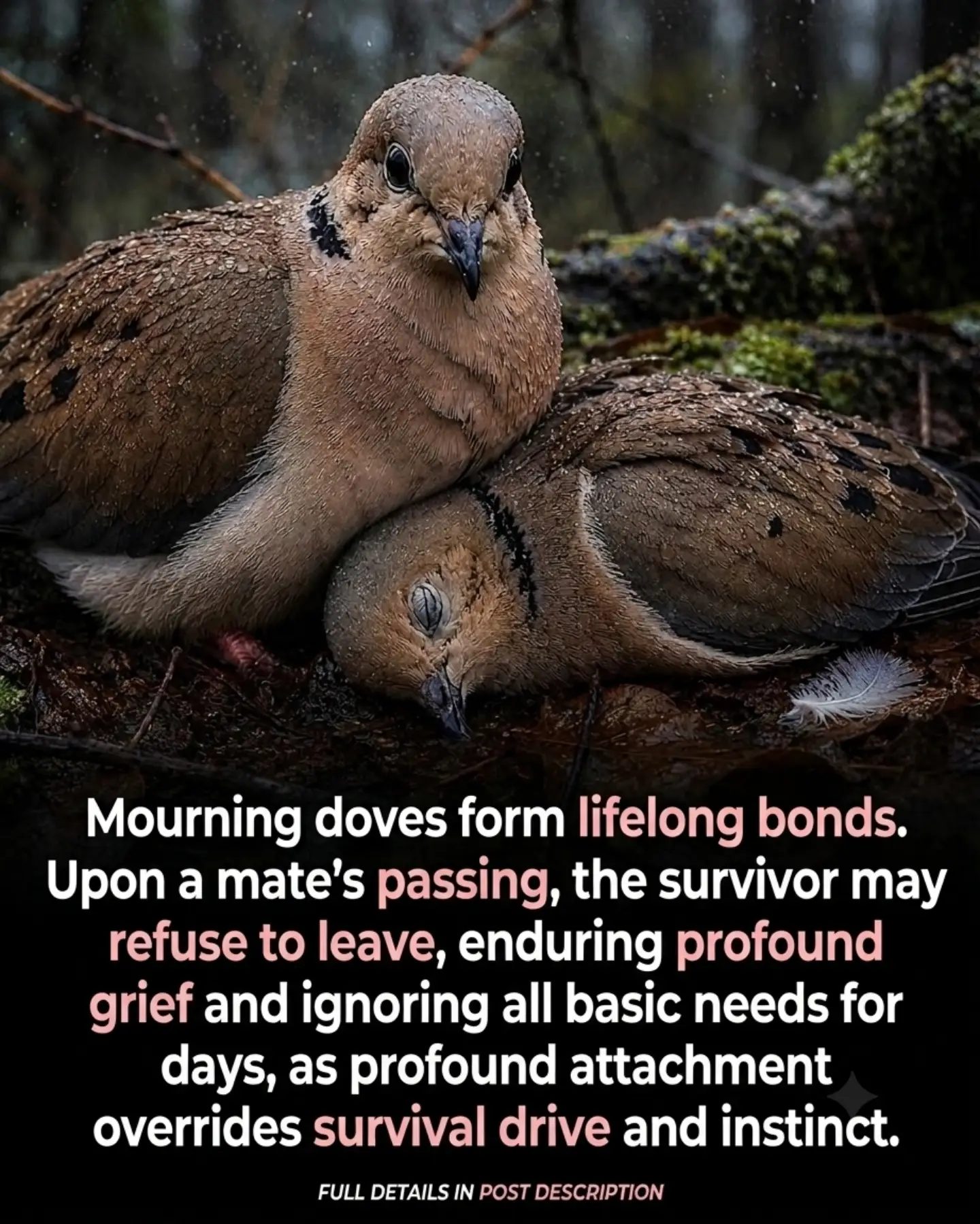
Mourning Dove Behavior
Mourning doves are known for their gentle demeanor and striking cooing sounds, but their behavior goes beyond mere aesthetics. These birds are fascinating for their strong pair bonds and unique reactions to the loss of a mate.
Why This Matters
Understanding the behavior of mourning doves provides insights into the complex social structures and emotional responses found in the animal kingdom. While urban legends often exaggerate the extent of their grief, observing these behaviors can help both birdwatchers and wildlife enthusiasts appreciate the depth of these birds' connections.
Main Discussion
Lifelong Pair Bonds
Mourning doves, known scientifically as Zenaida macroura, are renowned for forming lifelong bonds. These birds select their mates early in life, often staying together for many seasons. This monogamous behavior is a rarity in the bird world, where many species form temporary bonds for breeding purposes. For mourning doves, the bond is more than just functional; it encompasses a deep emotional and social connection.
Loss and Grief
When a mourning dove loses its mate, the survivor often exhibits visible signs of distress. These signs include prolonged periods of calling out to the lost partner, and staying in the vicinity of the last known location of their mate. The grief can be so profound that the surviving bird may neglect basic needs such as eating and drinking, demonstrating that their bond overrides typical survival instincts.
Despite these intense reactions, nature's survival instinct is powerful. After a period of grieving, the surviving dove will eventually start to seek out a new mate. This behavior is a testament to the resilience and adaptability of these birds, showcasing their ability to recover from profound loss and continue their lifecycle.
Origins of the term "Mourning"
The term "mourning" dove is believed to originate from the bird's somber, soft, and mournful call, which often sounds like a gentle cooing or weeping. This sound has inspired various folklores and legends, some of which exaggerate the bird's grieving behavior.
Practical Tips
Observing Mourning Doves
For those interested in observing mourning doves, patience and a keen eye are essential. These birds are often found in open habitats, including fields, forests, and even urban areas. They prefer to stay near water sources, making parks and gardens with ponds or birdbaths ideal spots for spotting them.
Bringing binoculars and a field guide can enhance the experience. Pay close attention to their cooing sounds, which can provide insights into their behavior and social interactions.
Supporting Mourning Doves
Providing food and water can support mourning doves, especially during times of grief. Scattered seeds on the ground or in a bird feeder can attract them. Additionally, ensuring a clean and accessible water source can help in maintaining their hydration and health.
Important Takeaways
- Mourning doves form lifelong pair bonds, remaining dedicated to each other season after season.
- The loss of a mate can lead to profound grief, with the surviving bird exhibiting signs of distress and neglecting basic needs.
- Nature’s survival instinct is powerful, and after grieving, the survivor will eventually seek a new mate.
- Observing mourning doves can provide valuable insights into their social behaviors and emotional responses.
Conclusion
Mourning doves exemplify the complex and emotional bonds found in the animal kingdom. Their lifelong pair bonds and unique reactions to loss offer a fascinating glimpse into the social behaviors of birds. By understanding and appreciating these behaviors, we can gain a deeper respect for the resilience and adaptability of these gentle creatures. Whether you're a seasoned birdwatcher or a casual nature enthusiast, observing mourning doves can be a rewarding and enlightening experience.
Watch the Reel
Questions readers ask
What are the key behaviors of mourning doves that indicate strong pair bonding?
Mourning doves exhibit several behaviors that demonstrate their strong pair bonds, including mutual preening, shared nesting responsibilities, and synchronized courtship displays. These behaviors are not only vital for reproduction, but they also reinforce their lifelong commitment.
How do mourning doves react when one of the pair loses its mate?
When a mourning dove loses its mate, it can exhibit several signs of grief, including decreased vocalization and changes in feeding patterns. The surviving dove may also show a decline in overall activity and may even attempt to continue calls to attract its lost mate.
What happens to a mourning dove after the loss of a mate during the nesting season?
After the loss of a mate during the nesting season, a mourning dove may continue to incubate the eggs or care for the young, attempting to maintain the nest. However, the surviving spouse's instincts may also drive it to abandon the nest if it believes the loss is permanent.
Can mourning doves find new mates after the loss of a partner?
Although mourning doves are known for their lifelong bonds, they can find new mates after the loss of a partner. This usually occurs during the next breeding season, as the surviving bird's instincts drive it to seek a new mate for future nesting.
Are there any specific instincts that mourning doves exhibit after losing a mate?
After losing a mate, mourning doves may exhibit specific instincts such as increased vigilance, searching for the lost mate, and increased vocalizations. These behaviors are instinctual and can provide insight into the depth of their emotional responses.
Do mourning doves show different behaviors during the nesting season when they are paired up?
During the nesting season, paired mourning doves exhibit coordinated behaviors such as joint nest-building, shared incubation duties, and cooperative feeding of their young. These cooperative behaviors underscore the strength and importance of their lifelong bonds.
How can observing mourning doves help birdwatchers and wildlife enthusiasts?
Observing mourning doves can help birdwatchers and wildlife enthusiasts appreciate the intricate social structures and emotional responses in the animal kingdom. By understanding their behaviors, enthusiasts can gain a deeper respect for the complexity of bird relationships and their unique responses to loss.
Related deep dives
Similar reads based on topic and creator.



Recent articles
Fresh deep dives from the latest Reels we unpacked.




Comments
Be the first to comment.