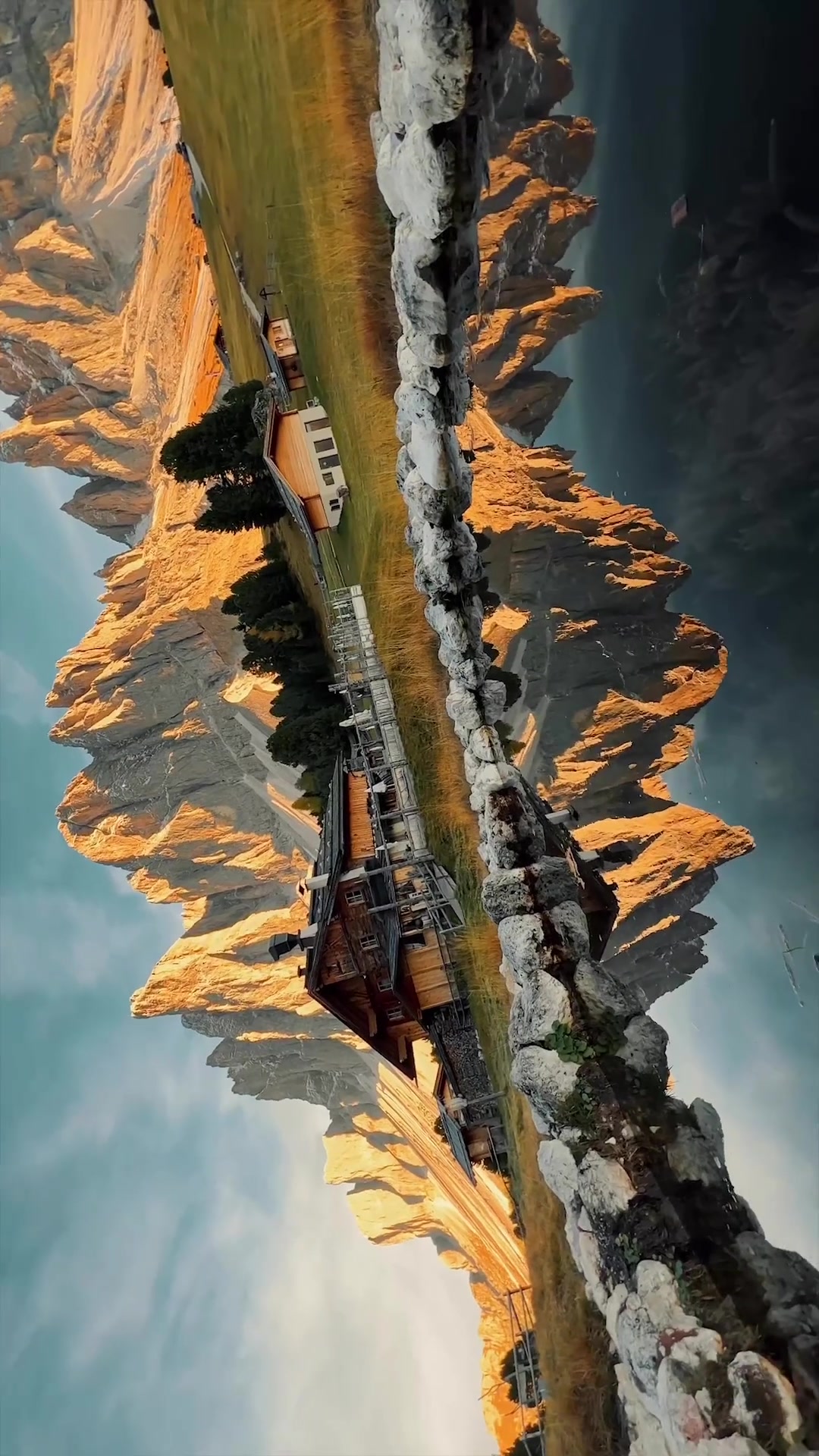
The mountain landscape, as seen from every rock and viewpoint, has always been a staple of photography. Some places create a staple of landscape photography, but the image of the mountain range reflected in a calm body of water made this mountain landscape a visual effect that is a photographer’s dream. This technique is not about capturing a normal landscape in a photograph — it is about creating a unique, flipping image vertically and using a calm body of water to create an inverted, mirrored landscape. This unique visual effect has created a mirrored landscape that makes the mountain range look mesmerizing and highlights the beauty of nature. The image is stunning at first glance.
Nature's Mirror
Dramatic landscape photography’s fascination with reflections is not new; it has been used in traditional photography, but the revelation of the mountain range reflected in a calm body of water creates a unique and visually appealing image. The reflection creates a mirroring effect across the water, seeing the opposite view. The mountain landscape tells a story and showcases a stunning visual effect of a mountain range. Creating this effect requires a calm body of water, which acts as a natural mirror. The required calm body of water perfectly reflects the mountain range, and the image is flipped vertically, creating an inverted, mirrored landscape. This effect is especially effective when there is little to no wind, as ripples on the water can distort the reflection.
The Creativity of Contrasting Lands
The picture created by the mountain range reflected in a calm body of water is not just about the nature of the landscape. The atmosphere and the building also add to the picturesque view. A calm body of water makes another part of the landscape not open to the viewer, but the mountain range reflected in the calm body of water allows the viewer to see another part. This creates a contrast between nature and human-built structures. This particular example showcases a traditional building nestled among the mountains, further enhancing the scene’s visual appeal. The juxtaposition of natural and man-made elements creates a captivating and intriguing scene, inviting viewers to ponder the relationship between humanity and the natural world.
Gospel of Composition
The technique involves a few compositional elements. First, the mountain range is positioned horizontally across the frame, with the calm body of water serving as a dividing line. This creates a sense of symmetry and balance in the image. The mountain range’s reflection is mirrored perfectly, making the image visually appealing. Second, the traditional building is placed strategically within the scene, adding interest and depth. The traditional building does not dominate the image, but serves as a focal point that draws the viewer’s eye and creates a sense of scale. The building’s inclusion also adds a human touch to the landscape, making the scene feel more relatable and familiar.
Play with Balance
Creating this type of balanced composition requires a careful arrangement of the mountain range, traditional building, and calm body of water. The photographer must ensure that the body of water is calm and still to create a clear reflection, while the mountain range and traditional building are positioned to complement each other. To achieve the perfect balance, photographers may need to experiment with different angles and perspectives, as well as camera settings and equipment. The goal is to capture the reflection perfectly, creating a mesmerizing and visually appealing image.
The Magic of Editing
While the reflection itself is a natural phenomenon, post-processing plays a crucial role in enhancing the image's impact. Photographers often enhance the color saturation, contrast, and sharpness to make the reflection more vivid and striking. This allows photographers and viewers to see clear reflections on the water.
How to Capture a Mirrored Mountain Range
Creating this mirrored mountain range effect mostly requires planning and careful execution. Here’s how to capture a reflection.
- Location Scouting: Look for mountain ranges and traditional buildings that are separated by a calm body of water.
- Timing: For the best body of water reflection, visit the location at dawn or dusk, when the sunlight is soft and the water is still.
- Equipment: Use a sturdy tripod to keep the camera steady and a wide-angle lens to capture the entire scene. Also, use remote shutter release to avoid camera shake. A polarizing filter can help reduce glare and enhance the reflection. Also, a polarizing filter can help reduce glare and enhance the reflection.
- Framing: Position the camera at a low angle to maximize the reflection. Ensure the reflection is centered and the mountain range and traditional building are balanced in the frame. Flip the image in a photo editing software to create a mesmerizing, inverted landscape.
Re-imagining Reflection
Nature and photography have always been interconnected. When a photographer captures the natural scene, the human element is always needed to create a fantastic image. This technique captures a reflection that creates a mesmerizing inverted landscape.
Watch the Reel
Questions readers ask
What exactly is the mountain reflection photography technique?
The mountain reflection photography technique involves capturing a mountain landscape reflected in a calm body of water to create an inverted, mirrored image. It's about using the water as a natural mirror to flip the scene vertically, resulting in a visually striking and unique photograph.
How do I find the right location for this technique?
To use this technique, you'll need to find a spot where a calm body of water reflects a mountain range. The water should be still, with minimal ripples, to create a clear reflection. This often means looking for sheltered areas where wind won't disrupt the water's surface.
Can I use this technique with any mountain range?
Yes, you can use this technique with any mountain range. The key is to have a calm body of water that can reflect the mountains clearly. The specific shape or size of the mountain range isn't as important as the quality of the reflection.
What if the water isn't perfectly still?
If the water isn't perfectly still, the reflection will be distorted. Ripples can ruin the mirrored effect, so it's best to avoid windy conditions. You might need to wait for the right weather or find a more sheltered spot to get a clear reflection.
How can I enhance the composition of my reflection photograph?
To enhance the composition, position the mountain range horizontally across the frame, with the water serving as a dividing line. Include other elements, like a traditional building, to add interest and depth. The building should complement the scene without dominating it, adding a human touch to the landscape.
What kind of camera equipment do I need for this technique?
The article doesn't specify any special equipment, so a standard DSLR or mirrorless camera with a good lens should suffice. A tripod can be helpful for stability, especially if you're shooting in low light or need to keep the camera steady for a long exposure.
Related deep dives
Similar reads based on topic and creator.

Recent articles
Fresh deep dives from the latest Reels we unpacked.

Comments
Be the first to comment.