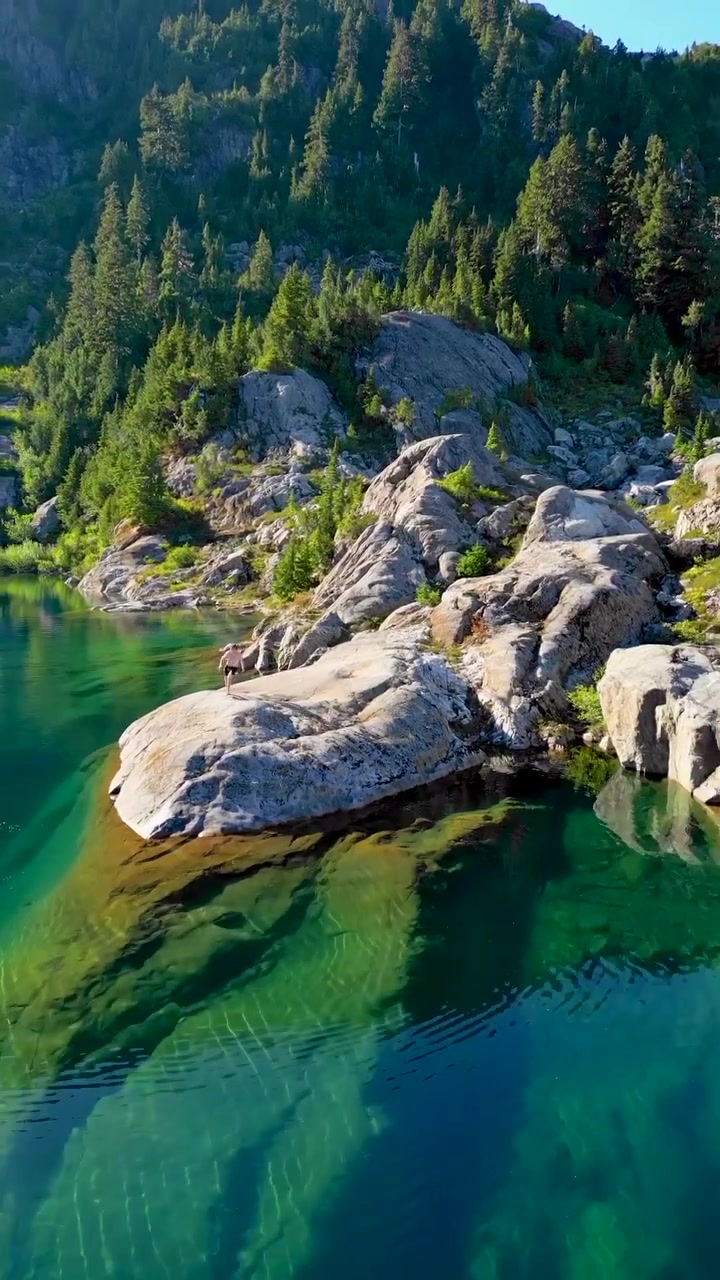
Aerial panoramas of wild alpine scenery and pristine waters are the kind of video that every adventurer and nature lover wants to put in their thoughts. In fact, being able to travel back to your favorite wild spot is every mountain-lovers dream. But these shots aren't just for holiday daydreams: they are also beautiful marketing tools. These scenes are real. They are not computer generated images, but living landscapes. They are wild and rugged, rugged but approachable. These places have a seductive pull. Yet, mountain lakes are more than just a source of pictures. They might have a deep role in our future. In fact, they might also be the subject of our near-future fantasies.
Mountain Lovers Dream
Mountain lakes are bodies of water found at high elevations, typically in mountainous regions. They are fed by melting snow, rain, and underground springs. These lakes are formed by various geological processes, including glacial activity, volcanic eruptions, and tectonic movements. But what is interesting in these lakes is the way they reflect the landscape. They are an unconventional mirror. The first thing you notice when you see a mountain lake is the distinctive color. The color varies depending on the minerals and organisms present, as well as the depth of the water. Some of these lakes have vibrant turquoise or emerald hues due to the presence of minerals like copper, while others may appear a deep slate. Others are black and reflect the sky. People have long been attracted to the beauty of these lakes and continue to be attracted to them, but it is unlikely that many of them know that mountain lakes are more than a pretty picture.
A Cold Place — In A Hot World
Mountain lakes are not just a pleasant sight to behold. They are also a critical part of our future. Their beauty is not their only role. Today's world is changing rapidly. Global warming and climate change are already affecting the natural world in profound ways, as seen in recent years. Some of these changes may seem small, but they are also as dangerous as they are beautiful. What many people don't realize is that mountain lakes, with their exquisite beauty and haunting depths, may also play a critical role in the future. We could live in a world where the mountains store water for thirsty cities, a world where the water from the mountains quench thirsts, and where mountain lakes feed the rivers that feed the sea with fresh waters. This is a beautiful thing, and one day these lakes may be the source of energy.
From The Ground To The Sky
Waters and The Air: What makes it special
Water is one of the most important things to humans. We need it to live, and we need it to grow our food and drinks. But in the mountains, the water is more than just something you need to survive. Some lakes, like Toba, Lake Matano, in Indonesia, or Lake Titicaca, which spans the border between Bolivia and Peru, are home to some of the most ancient and isolated ecosystems in the world. The lake water is cool year-round, and this means that it is also home to a lot of invertebrate life, which means that it is a great place for wild fish. Mountain lakes, with their clear waters and high oxygen content, provide ideal habitats for a variety of plant and animal species. The cool temperatures and lack of human disturbance create a pristine environment where species can thrive. The lakes also act as natural filters, helping to cleanse the water of pollutants and sediments. These lakes also host diverse animal species like fish, birds, and amphibians. But these lakes are even more important for the air. Mountain lakes create a microclimate, where the air temperature is different from the surrounding area. This microclimate can affect the weather patterns and the climate of the region. This means that mountain lakes can also influence the weather in the world. It is like a natural cooling system.
The Missing Person
The person in the video reflects the scale of the environment. The speaker's voice, "Where are you? Where are you?". There is a lost person in this landscape. Even the beauty of the lake cannot hide the fact that this place would be treacherous to someone who doesn't have years of experience in that landscape. It is a dangerous place, but it is still beautiful. But what happens when you are the missing person, you can't find your way back to the safety of the village or the city? When someone goes missing in a mountain lake, the first thing that usually happens is the rescue crew goes out. This mission starts with a search party. That group might be in a helicopter. They might be looking for the person on the ground or on the water. They will search the affected area. But if the person is lost at night, what happens at night? In the middle of the night, rescuers may face even greater challenges in locating the missing person due to limited visibility and harsher environmental factors.
Water And Wildlife
The mountain lakes have their unique microclimates, which can support various plant and animal species. However, these ecosystems are also fragile and can be easily disrupted by human activities. Deforestation, pollution, and climate change can all pose threats to the health of mountain lakes and their surrounding environments. Human development can significantly impact these ecosystems. The growth of residential areas, roads, and ski resorts can lead to increased runoff, pollution, and habitat destruction. Protecting mountain lakes means safeguarding these ecosystems and the biodiversity they support, as this is the way to future tourism. Environmental concerns about these ecosystem are real. Mountain lakes are important for preserving biodiversity. They provide unique habitats for plants, animals, and micro-organisms. Many of the species that live in and around these lakes are found nowhere else on Earth. Moreover, mountain lakes are often located in remote and pristine areas, which makes them important for conservation efforts. By protecting these lakes and their surrounding environments, we can help preserve some of the world's most diverse and unique ecosystems.
Overwhelming beauty, amazing wonders
In conclusion, mountain lakes are important because they provide valuable habitats for a variety of plant and animal species. They also play a crucial role in regulating local and global climate patterns, and they are important for conservation efforts. However, mountain lakes are also under threat from human activities, climate change, and other environmental factors. Mountain lakes are also important because they provide recreational opportunities for people. They offer opportunities for activities like fishing, swimming, boating, and hiking. These activities can provide both physical and mental health benefits, as well as opportunities for outdoor recreation and adventure. They draw tourists, and they fuel the economy of many mountain communities.
Watch the Reel
Questions readers ask
What exactly makes mountain lakes so visually striking from above?
Mountain lakes often have distinctive colors ranging from vibrant turquoise to deep slate or even black, which makes them visually striking. These colors are due to the minerals present in the water, the organisms living in them, and the depth of the lake. From above, these colors contrast beautifully with the surrounding rugged landscape, creating a mesmerizing aerial view.
How do mountain lakes form, and what geological processes are involved?
Mountain lakes are formed through various geological processes. These include glacial activity, where moving glaciers carve out basins that eventually fill with water; volcanic eruptions, which can create depressions that become lakes; and tectonic movements, which can shift and elevate land to form lake basins. These processes contribute to the unique and often rugged landscapes surrounding these lakes.
Can mountain lakes really help mitigate the effects of climate change?
Yes, mountain lakes can play a crucial role in mitigating the effects of climate change. They act as natural reservoirs, storing water that can be used to quench the thirst of cities and support agriculture. Additionally, the water from these lakes feeds rivers that eventually flow into the sea, maintaining freshwater supplies. In the future, these lakes could also be a source of renewable energy, further aiding in the fight against climate change.
What makes the ecosystems in mountain lakes so unique?
The ecosystems in mountain lakes are unique due to their isolation and the cool temperatures year-round. Lakes like Toba, Lake Matano, and Lake Titicaca are home to some of the most ancient and isolated ecosystems in the world. The cool water supports a diverse range of invertebrate life, which in turn supports unique fish populations. This makes mountain lakes not only visually stunning but also ecologically significant.
Are there any mountain lakes that are particularly famous for their aerial views?
While the article doesn't specify particular lakes, some of the most famous mountain lakes known for their aerial views include Lake Louise in Canada, Lake Tahoe in the United States, and the famous lakes of the Himalayas, such as those in Ladakh, India. These lakes are renowned for their crystal-clear waters and surrounding mountain vistas, making them popular subjects for aerial photography and tourism.
How do mountain lakes reflect the landscape around them?
Mountain lakes act as unconventional mirrors, reflecting the surrounding landscape in a way that enhances their visual appeal. The stillness of the water allows for a perfect reflection of the mountains, forests, and sky, creating a serene and picturesque scene. This reflection adds to the allure of aerial views, making them even more captivating.
What role might mountain lakes play in the future, besides their aesthetic value?
Mountain lakes could play a critical role in providing freshwater to cities and supporting agriculture. They may also become important sources of renewable energy. Given the increasing pressures of climate change, the water stored in these lakes could be essential for sustaining life and ecosystems in the future. Their beauty is just one aspect; their practical benefits are equally, if not more, significant.
Related deep dives
Similar reads based on topic and creator.


Recent articles
Fresh deep dives from the latest Reels we unpacked.


Comments
Be the first to comment.