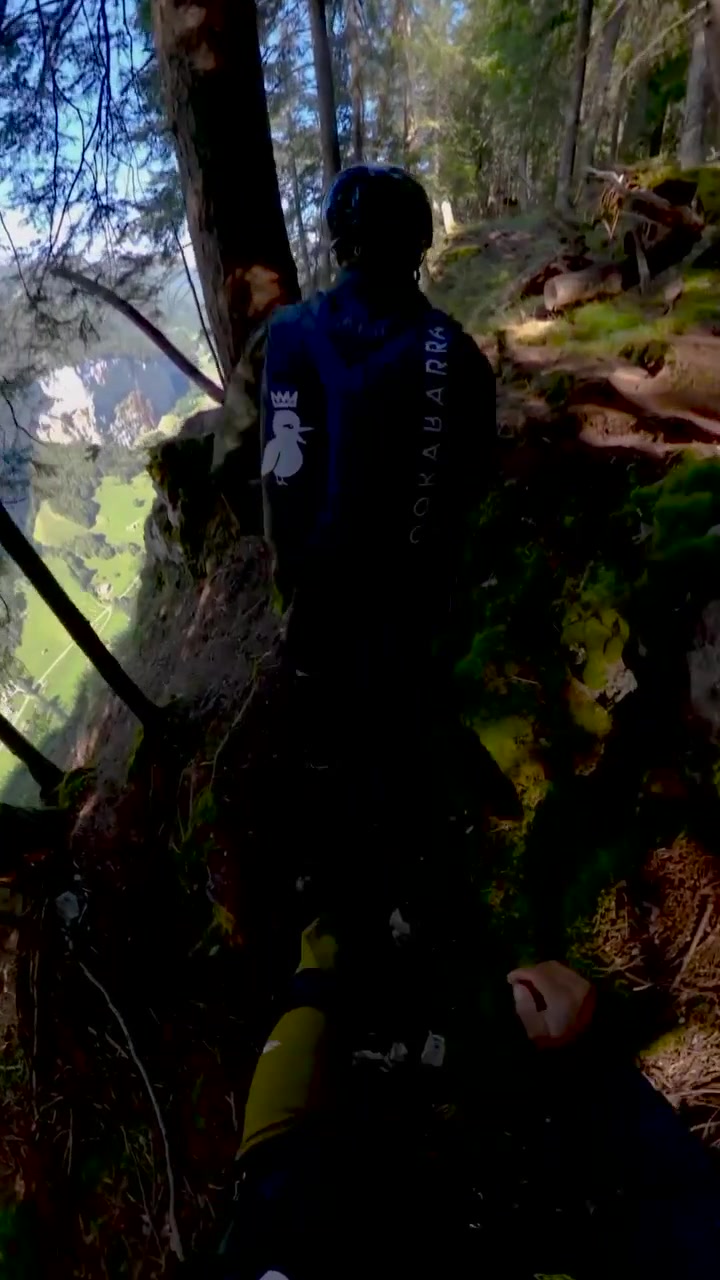
Mountaineering is about more than reaching a summit. It takes heart. As the voice in the video puts it, "This kid only made it so. That’s what a hike is: a journey, sometimes solo, and one where failure hurts, but not hitting your goal doesn’t mean not keeping dreams alive. Wide mountain ledges mixed with steep cliffs define much of hiking. Many think of the challenge. But dramatic angles on your journey present the hike in front of you, even if you’re not poking holes through the clouds. Your first narrow ledge is enough.
The hazards of mountain hiking
Mountain hiking has challenges of every kind, some physical, some emotional. So how has this demanding exercise come to mean so much to so many? The sport demands physical resilience, mental toughness, and navigational skills. Hikers must also manage risks like extreme weather, unpredictable terrain, and potential wildlife encounters — all part of the adrenaline rush. The video shows a person hiking on a narrow, rocky ledge at a high point on a mountain, surrounded by steep cliffs and expansive mountain ranges. The dramatic landscape serves as a backdrop to the harnessing of hiking as a test of spirit and endurance. But the mountainous and the narrow 's edge are where the real adventure lies. Of course, these specialty hikes are not built for first-timers. Yet, hikers get closer to the wilds like nowhere else.
The thrill and the high
Mountain hiking offers more than just physical exertion. It’s an adventure that tests your spirit, and the world. Experienced hikers know that some of the greatest rewards come from the journey itself and the challenges you must overcome.
Beside the edge
If anyone asks, tell them the edge itself is major draw. Hiking in the mountains presents breathtaking views, often from breathtaking heights and angles. A narrow, rocky ledge high on a mountainside is unforgiving but will make you feel at one with the world — and yourself.
The grasslands of green
Leaning back, hiking offers a chance to immerse oneself in nature, escape the daily grind, and gain a deeper appreciation for the natural world. Mountain hikers often traverse steep cliffs and expansive green meadows, with a vast mountain range in the background, providing a dramatic perspective of the journey.
Pushing self-limits
Scenically, mountain hiking often reveals stunning vistas and unpredictable terrain with steep cliffs, wild energy in the air. The camera lets the hiker see the journey as they go. Hiking to the edge. Or a bit closer.
Wildlife encounters
Witnessing wild animals in their natural habitats is an additional joy of hiking. Keeping your mind on the skies, you’ll see birds. The edges will be clear. The hikes though they’re demanding, but the rewards can be transformative. Everything about these hikes demands that the hiker be good. Yet there’s no fear. It’s a part of the rush.
How to surge ahead
Hiking is not a sport just for the physically fit or the outgoing. With the right gear and preparation, almost anyone can take on a mountain hiking adventure.
- Check Your Gear: Ensure you have the right equipment, including sturdy hiking boots, a backpack with essentials like water, food, a first-aid kit, and navigation tools.
- Hike with Company: Never hike alone, especially on challenging trails. Bring a friend or join a hiking group to increase your chances of success and enjoyment. Always have someone nearby.
- Research Your Trail: Before setting out, research the trail and understand its difficulty, length, and potential hazards. Choose a trail that matches your skill level and experience.
- Stay Hydrated and Energized: Carry plenty of water and energy-rich snacks to keep your energy levels up during the hike.
- Know Your Limit: Listen to your body. If you feel exhausted or experience discomfort, take a break or turn back if necessary.
- Step Carefully: Stay alert and watch your step, especially on narrow, rocky ledges.
- Practice Leave No Trace: Respect the environment by following Leave No Trace principles. Pack out all trash, stay on designated trails, and minimize your impact on the natural surroundings.
- Know Where You’re Going: Use maps, GPS, and trail markers to navigate and stay on track.
"Be forever alive in the moment"
The video’s 15 seconds are a concise journey. Close your eyes and feel the wind. Hiking is more than just a physical activity; it’s a mindset. It’s about pushing your limits, embracing challenges, and finding joy in the journey. Whether you’re a seasoned hiker or a beginner, the trails offer a unique opportunity to connect with nature, test your skills, and create lasting memories. So lace up your boots, pack your gear, and start exploring the world’s most majestic mountains. The edge is waiting. In the words of the video, "and keeping dreams alive" — the message is clear.
Watch the Reel
Questions readers ask
What makes mountain hiking different from regular hiking?
Mountain hiking is more challenging and thrilling because it involves navigating steep cliffs, narrow ledges, and unpredictable terrain. Unlike regular hiking, it demands physical resilience, mental toughness, and navigational skills. The journey itself, with its dramatic landscapes and adrenaline rush, is a significant part of the experience.
How does mountain hiking challenge hikers emotionally and physically?
Mountain hiking challenges hikers both emotionally and physically. Physically, it requires endurance and strength to navigate difficult terrain. Emotionally, it tests mental toughness and resilience, as hikers must manage risks and overcome obstacles. The journey often involves overcoming failures and keeping dreams alive, which can be deeply rewarding.
What kind of gear do I need for mountain hiking?
For mountain hiking, you need gear that supports you in challenging conditions. This includes sturdy hiking boots, appropriate clothing for varying weather, a reliable backpack, a map and compass or GPS, a first-aid kit, and plenty of water and food. The article mentions checking your gear, which means ensuring everything is in good working order and suitable for the terrain.
Is mountain hiking suitable for beginners?
Mountain hiking, especially on narrow ledges and steep cliffs, is generally not recommended for first-timers. These specialty hikes demand a certain level of experience and skill. However, with proper guidance, preparation, and the right gear, beginners can start with less challenging trails and gradually build up to more demanding hikes.
How do mountain hikers manage the risks involved in the sport?
Mountain hikers manage risks by being well-prepared and knowledgeable. This includes understanding the terrain, checking weather conditions, carrying appropriate gear, and knowing basic first aid. The article highlights the importance of navigational skills and mental toughness. Additionally, experienced hikers often go in groups to support each other and handle unexpected situations.
What kind of wildlife can I expect to encounter on a mountain hike?
Mountain hiking often involves encounters with various wildlife, including birds and other animals in their natural habitats. The experience can be both exciting and humbling, as you get to witness nature up close. However, it's important to maintain a safe distance and respect the animals' habitats to ensure a positive and safe encounter.
Related deep dives
Similar reads based on topic and creator.




Recent articles
Fresh deep dives from the latest Reels we unpacked.



Comments
Be the first to comment.