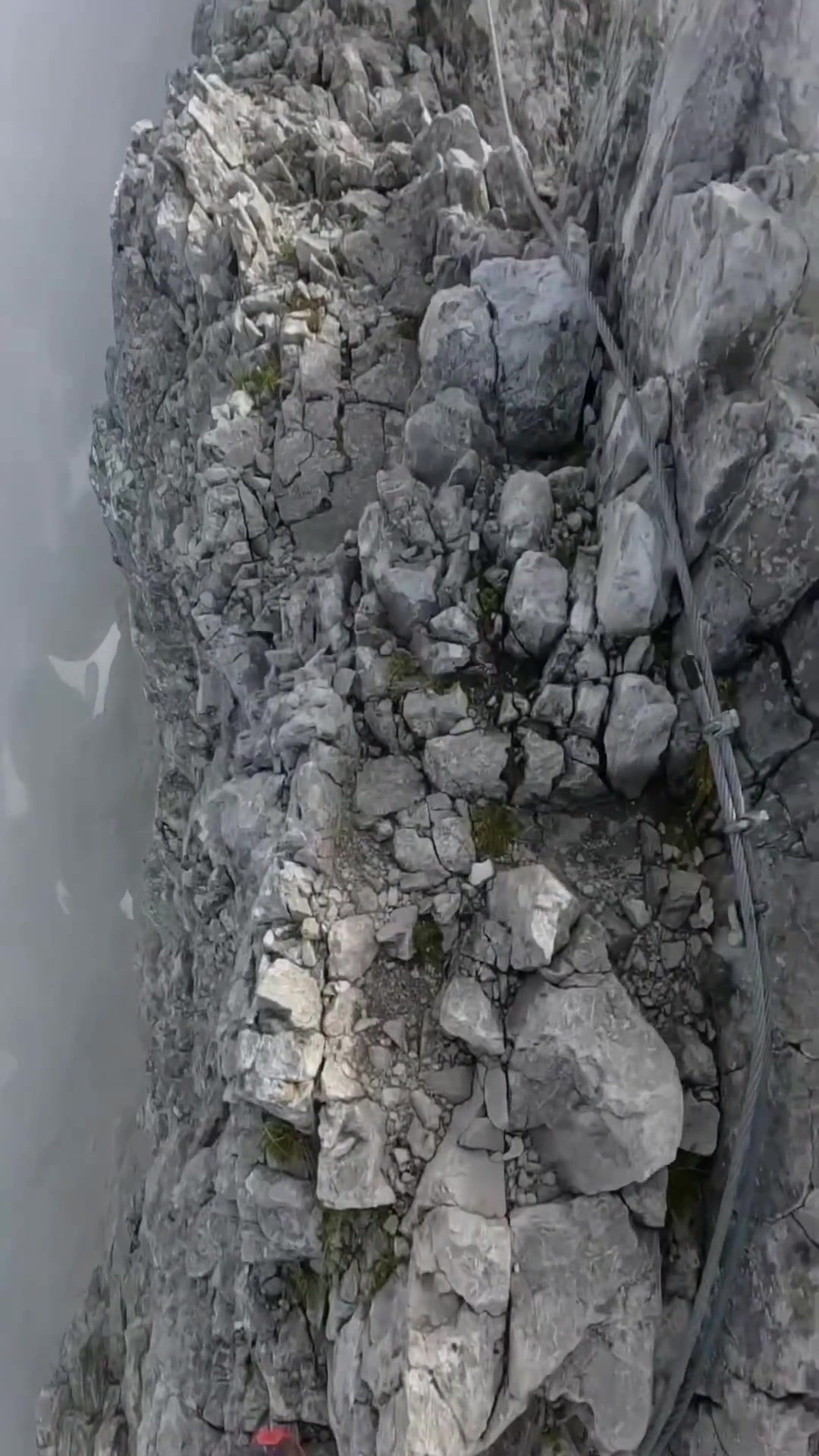
Climbing mountains peaks through sheer rock and fog, a climber's world shrinks to hands and feet, to the rope securing them to the crag. UOUW makes gear for that ascent.
What is a Mountaineering climb?
Mountain climbing is the challenge of gravity, a wager of strength, agility, and endurance against vertical rock, ice, snow, and altitude. It demands grit and technique to ascend a peak. A climber is all about upward motion at all costs. The climber’s body and gear form a singular instrument. The mountaineering rope does not merely restrain falls. The climber secures themself to an anchor point. A climber's gear is not a mere "kit." It is a lifeline. At its core, it is equal parts endurance and problem-solving. Each move tests balance, grip, and the ability to spot and secure the next hold. UOUW offers the essential gear.
A Peak of Self-Reliance
Climbing's fundamental essence is mere motion and overcoming vertical space. It is a microcosm of one’s innate, agency-driven struggle. The handicap of gravity presents a clean-slate challenge of overcoming distance. Each route—be it a cliff or icy slope—presents a mind game, a puzzle to solve. Climbing's origins are rooted in the human urge to explore and conquer. Today’s climbing world is an outdoor athletic pursuit that balances risk and reward. Each route test climbers in different ways: from cracks and peaks to ice cliffs. Despite the obvious threats of sudden death and lifelong injury, marginal improvements in gear lower the overall risk. By using the gear to scale peaks, the climber is not just tackling the mountain. They are asserting their self-reliance. Each ascent and descent proves their ability to survive a hostile landscape.
What Gives Gear a Future?
The Safety Tether
Gear represents both the barrier and the bridge to the peak. Climbing ropes are designed to be static, to minimize the stretch and absorb energy from a fall. A static rope is critical to mountaineering. When ascending, the rope is the lifeline. Despite the gear, climbing is not without risk and the rope is the last barrier between one’s survival and death. The rope ensures that a climber can ascend safely.
Handholds in Rock
Crack climbing focuses on the hands. Climbers find fissures in rock to grip. The wider the crack, the harder the climb. Crack climbers find leverage in cracks, jamming fingers and hands into fissures. Grip strength can take a climber up a mountain. The hand is a versatile tool, from the wide fissures to the sweeping verticals, each climb forces the hand to adapt to the terrain. This adaptability demands endurance and focus as the climber must place their hands and feet carefully.
The Power of the Carabiner
Carabiners are the core of climbing hardware. They’re the point of interface between the climber and the gear. They effectively clip and store rope and gear, transferring weight and load. Carabiners come in various shapes and locking mechanisms. The locking mechanism presents a choice between security and speed. There are three primary types of carabiners: screwgate, twistlock, and auto-locking. The screwgate is the most versatile and affordable option. The user must manually screw the sleeve around the gate to lock and unlock. The screwgate is a mechanical answer to keeping the gates from opening without manual intervention. The twistlock mechanism functions by twisting the sleeve and adds a layer of security, twisting the sleeve so the gate does not open. The auto-locking carabiner is for when seconds count. This variety eliminates the need to manually lock it, relying on a spring-loaded mechanism. The automatic locking mechanism allows the climber to quickly clip and unclip gear without overthinking it.
The Practical Importance of Ankle Bands
With the same utility as a carabiner, the ankle band is an essential piece of mountaineering gear. Mountaineering demands balance and helping the climber. Waterproof ankle bands protect climbers from water damage. While the ankle bands are not designed to prevent falls, the material and elastic nature absorbs any shock. As climbers adapt to different climates, they need to remain agile.
Gear Climbing for Beginners
All climbers learn to climb with the rope as the best safeguard against death.
- Purchase a Climbing Harness: A quality harness should fit snugly around your hips and thighs. Choose a harness with adjustable leg loops for a perfect fit.
- Rope: For a beginner, consider a 20-meter rope. This will allow you to navigate easier climbs and give you the ability to practice rappelling or lowering down.
- Carabiner: Invest in a couple of rounded gate carabiners. This will come in handy for any ventilation to prevent slipping.
- Helmet: This offers essential protection against rockfalls and impacts. Make sure it fits snugly on your head for maximum security. If you are interested in mountaineering, you will want to buy the right gear. Gaining knowledge of the basics of the equipment will prepare you for the mountain.
Reaching the Top
The top of the mountain is a microcosm of one’s own abilities. The gear is the means to that end. The climber’s hands and legs can take over the mountain. The helmets lower the risk. It is all testament to the innate resilience, self-reliance, and the pursuit of the mountain peaks.
Watch the Reel
Questions readers ask
What exactly is mountaineering and how does it differ from other forms of climbing?
Mountaineering, as described in the article, is the challenge of gravity and involves ascending peaks through various terrains like rock, ice, and snow at high altitudes. It differs from other forms of climbing, such as bouldering or sport climbing, due to its focus on endurance, problem-solving, and the use of specialized gear to navigate harsh environments. It's not just about physical strength but also about mental fortitude and the ability to adapt to changing conditions.
How does the gear used in mountaineering contribute to a climber's safety?
The gear in mountaineering, including ropes, carabiners, and harnesses, is crucial for a climber's safety. The rope, for instance, acts as a lifeline, providing a secure connection to an anchor point and minimizing the risk of falls. Carabiners are essential for interfacing with the gear, and different types offer varying levels of security and speed. This gear not only aids in climbing but also in ensuring the climber's survival in hostile landscapes.
What makes crack climbing unique and challenging?
Crack climbing is unique and challenging due to its focus on handholds and the use of cracks in the rock for grip. Climbers must adapt their grip to the width and shape of the fissures, demanding both strength and technique. It requires endurance, focus, and the ability to carefully place hands and feet, making it a test of both physical and mental prowess.
What are the different types of carabiners used in mountaineering, and how do they differ?
The article mentions three primary types of carabiners: screwgate, twistlock, and auto-locking. Screwgate carabiners are the most versatile and affordable, requiring manual locking, while twistlock and auto-locking carabiners offer different mechanisms for securing the rope and gear. The choice between these types often comes down to the balance between security and speed, depending on the climbing conditions and personal preference.
Why is the rope considered the lifeline of a mountaineer and how does it function?
The rope in mountaineering is considered the lifeline because it provides a secure connection to the climbing surface, preventing falls and allowing the climber to ascend safely. It is designed to be static, minimizing stretch and absorbing energy from a fall. This design ensures that the climber can rely on the rope for safety, making it an indispensable piece of gear for navigating steep and dangerous terrains.
How does the body and gear of a climber work together in mountaineering?
In mountaineering, the climber's body and gear form a singular instrument, working together to overcome the challenges of the ascent. The climber relies on their physical strength, agility, and endurance, while the gear provides the necessary support and safety. The gear, including ropes, carabiners, and harnesses, acts as a lifeline, enabling the climber to navigate steep and dangerous terrains safely.
Related deep dives
Similar reads based on topic and creator.

Recent articles
Fresh deep dives from the latest Reels we unpacked.



Comments
Be the first to comment.