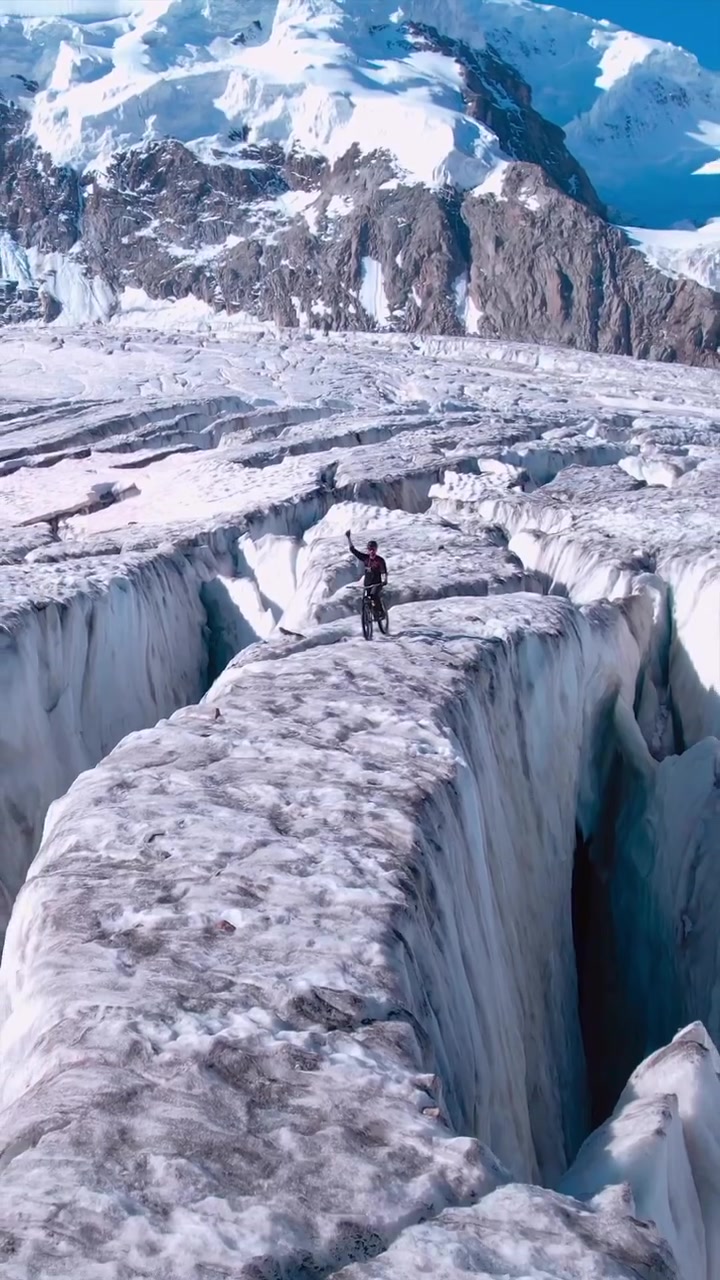
Mountain biking is an adrenaline-packed sport. But when it combines with the icy, slipping surface of a glacier, navigating it requires a more keen set of skills. This sport poses a rare challenge to mountain biking.
Glacier Mountain Biking and The Glacial Mix
Glacier mountain biking is a type of mountain biking that happens on ice and snow-covered glacier. It’s not an easy progression from a pungent plain to a glacier. For effective traction, ensuring safety, and running smoothly mountain bikers use special equipment, clothing, and techniques. The key component for riding on glacier is bike grips which provide traction in icy conditions. Other essentials include a studded tire or spikes. These are used to stabilize the bike when descending elevation. Following the evolution of mountain biking, through the 70s and 80s, riders went from single tracks to gravel roads, to downhill courses, and skid marks. Glacier mountain biking grew as a niche adventure for those who found even the most grueling downhill course boring.
Glaciers as Mountain Biking Stage
Mountain biking, in general, intersects with various disciplines and landscapes, from downhill to cross-country and everything in between. Mountain bikers seek challenging terrain to the point that they hop off the elevators or scales. Glaciers are a small niche of the sport's enthusiast groups. Glacier mountain biking accentuates the rough aspects of mountain biking. It is a sport for those who believe mountain biking should be an escape from the everyday for at least a few days than enjoying the journey. This sport is exciting because its outcome is unpredictable — aside from falling — but other difficulties can arise in hiking over forms of snow and ice. Mountain bikers can get lost on the trails and many have died due to fall accidents.
Glacier Mountain Biking Quickly Exposes How Deficient Your Skills Are
How to begin
A mountain climber starts preparing to climb as soon as the summer comes to an end. The key is getting ready before the season starts, and the ideal time is autumn. It's a time for training (e.g., going to the gym and climbing) and purchasing materials (e.g., new boots and tools). Mountain bikers up their game by going up a hill or running.
Climbing and Biking
Mountain biking combines the 2 skills of climbing and cycling. Cycling's pace and timing are smooth. The slow descent of climbing is entirely different. The sport enhances your ability to gauge risks. You'll learn how to trust your feet and gaze when navigating the most challenging lanes — paths no wider than a foot or with a deep crevasse's edge. Therefore, you require both intensive learning and a survivalist spirit, as well as actual practice on a glacier. Mountain biking is more vertical — you'll climb a mountain and then speed down the other side.
High – Altitude Skills
The beautiful ice sculpture-like views go with the risks. Mountain biking puts you up high, where the air is thinner. When you are hundreds of meters above the ground, a sudden turn can cause you to fall and die. Any equipment failure can result in hospitalization or death. Since you're at the top of a mountain, staying warm is still difficult. At higher altitudes, your cardiovascular system becomes overworked and you tire out much quicker than normal.
Some Unpleasant Facts
Ice-capped ridges and jagged rocks call out to many, but the fact is mountain bikers aren't always prepared for the trek. Humans and animals are susceptible to strong winds and freezing temperatures. There are occasions when the weather changes quickly, and you might not be able to return from your journey. Altitude sickness is caused by a shortage of oxygen. The rides are often uncharted territory, meaning no previous path exists, and there are no guides to ask for assistance.
Equipment
Every mountain biker has the fundamental equipment like helmet, backpack, food, and bike. However, a very crucial item is a leash or strap to connect your bike to you. You could run into issues with avalanches or twisted ankles. The glacier experiences melting and freezing temperatures constantly, although it is a frozen mass of ice. As you trap on glacier, the bike is the only essential tool. It provides a base for you to traverse the glacier landscape. Your bike needs to be able to handle the rough terrain. Always bring essential tools like a pump, tire plugs, etc.
Your Own Mountain Biking Expedition
To become a competent mountain biker, you must first be aware of the necessary tools and strategies. There are several factors to consider when mountain biking. It is not a sport that can be mastered overnight, and it is necessary to appreciate science and understand it ruthlessly. The word “adventure” means being independent and self-reliant.
-
- Capability: Have the proper skills, then go out and get the appropriate tools. This may sound simple enough, but it isn't. The sport is unpredictable in its outcomes. You might have the proper abilities to climb a mountain, but something could occur that you can't predict or avoid.
- Training: Training is imperative. For your body, you'll need a lot of cardiovascular conditioning. You can't just go there and climb with no preparation. Knowing the different techniques for climbing, managing your breathing and body temperature, and utilizing the right equipment will save your life.
- Experience: It requires a lot of knowledge and experience to master the sport. You must understand the sport's guidelines. Avoid adventuring on your own and keep a close eye on your training progress.
Watch the Reel
Questions readers ask
What kind of gear do I need for glacier mountain biking?
For glacier mountain biking, you'll need specialized gear to handle the icy conditions. This includes studded tires or spikes for your bike to provide traction, and special grips to help you maintain control. Additionally, appropriate clothing for cold weather and safety equipment are essential.
How does glacier mountain biking differ from regular mountain biking?
Glacier mountain biking is significantly more challenging due to the icy and unpredictable terrain. It requires a unique set of skills and specialized equipment to navigate the slippery surfaces and potential hazards like crevasses. The unpredictability and risk of falls make it a niche adventure for experienced riders.
What are the risks involved in glacier mountain biking?
The risks in glacier mountain biking are substantial. You can fall, get lost, or encounter unexpected difficulties due to the icy terrain. Equipment failure at high altitudes can also be dangerous, as you might be far from immediate medical help. The sport demands both intensive training and a survivalist mindset.
Can anyone try glacier mountain biking, or is it only for experts?
Glacier mountain biking is generally for experienced riders who are comfortable with high-risk activities. The unpredictable terrain and the need for specialized skills make it a challenging sport, not suitable for beginners. It's essential to have a solid foundation in regular mountain biking before attempting this extreme adventure.
What kind of training is required to prepare for glacier mountain biking?
Preparing for glacier mountain biking involves a combination of physical training and skill development. Start by improving your fitness in autumn, focusing on strength and endurance. Practice climbing and cycling to enhance your balance and risk assessment skills. Actual practice on a glacier is crucial to get a feel for the unique challenges and risks.
Are there specific techniques for navigating glacier terrain on a mountain bike?
Navigating glacier terrain requires specific techniques to manage the icy conditions. You need to learn how to trust your feet and gaze when navigating narrow or dangerous paths. The sport demands both intensive learning and a survivalist spirit, as well as actual practice on a glacier. You'll need to gauge risks carefully and be prepared for sudden changes in terrain.
What are some of the most challenging aspects of glacier mountain biking?
The most challenging aspects of glacier mountain biking include the unpredictable terrain, the risk of falling, and the high altitude which can affect your physical performance and mental clarity. The sport requires a unique set of skills, including the ability to navigate narrow paths and deep crevasses, and the mental fortitude to handle the risks involved.
Related deep dives
Similar reads based on topic and creator.


Recent articles
Fresh deep dives from the latest Reels we unpacked.


Comments
Be the first to comment.