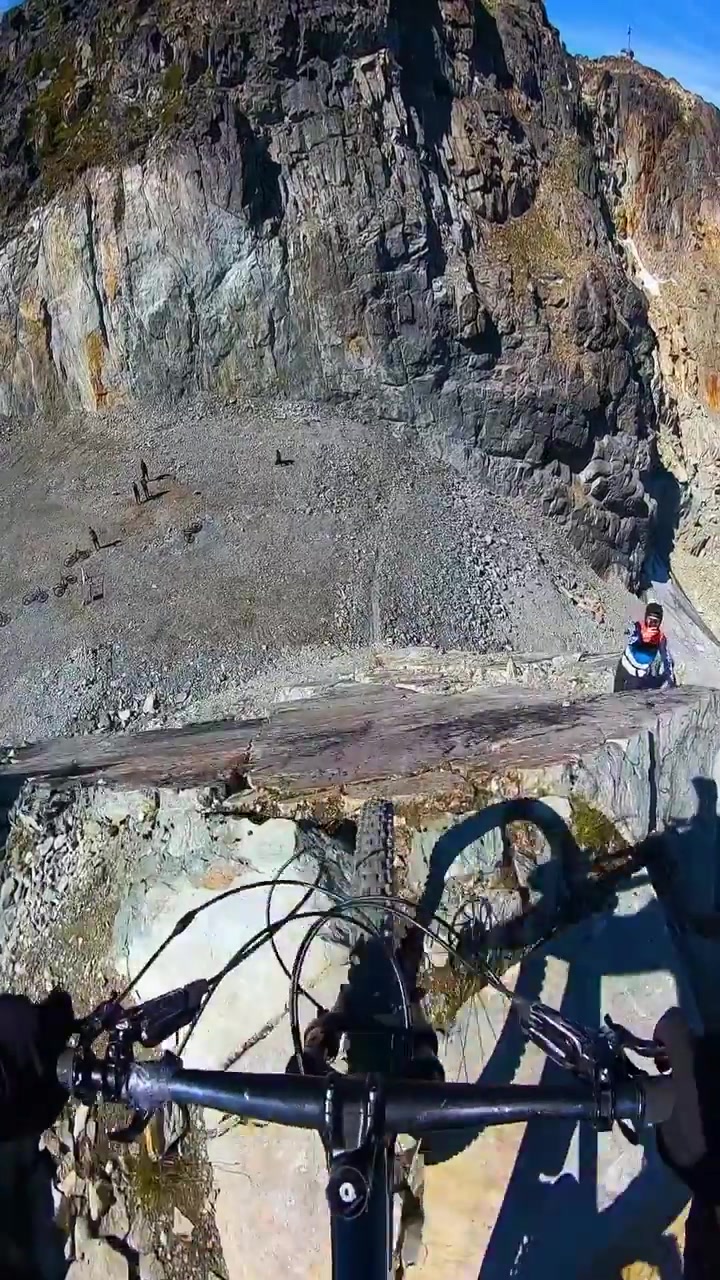
Tackling a steep, rocky slope on a mountain bike is no easy feat. Thrill seekers and adrenaline junkies know that the key to an exhilarating descent lies in navigating the terrain as swiftly and safely as possible. An impressive descent’s mix of danger and control requires masterful balance, flawless timing, and a mindset that embraces the adrenalin rush.
Enter the world of mountain biking descents
Mountain biking descents are heart-pounding adventures that involve pedaling down steep, uneven trails. This sport requires riders to navigate through a mix of rocks, roots, and steep inclines and declines. Riders must balance technical skill and mental fortitude to maintain control while descending. The terrain can range from smooth, rolling hills to jagged, rocky paths with massive drop-offs. The experience is unlike any other, offering an adrenaline rush and a deep connection with nature. The distinctive thrill of a mountain biking descent comes from the dangerously close proximity to the ground. Riders must navigate narrow paths with significant drop-offs and rugged terrain, urging riders to maintain a constant focus on the trail. The right position on the bike ensures control. Adjustments in posture and weight distribution allow for the rider's center of gravity to stay over the bike’s wheels. The goal is to maintain traction and control while navigating obstacles and drops. Riders need a mountain bike that is sturdy, maneuverable, and equipped for rough terrain. Special, reinforced frames, beefier tires, powerful brakes, and quality suspension are key. These features allow for the bike to handle the impact of rocky terrain and steep slopes. Riders stay on course and stay on the bike. Specially built bikes have wide handlebars and a short stem, which provide better control and maneuverability.
The draw of mountain biking descents
Mountaineering descents is more than a sport; it's a test of personal limits and a means of escape. The economic implications of mountain biking are an increasing focus. As interest in outdoor activities increases, the market for mountain biking gear and apparel is booming. The global bicycle market was already valued at US$59 billion in 2023. This activity offers more than just an adrenaline rush; it fosters a sense of community and connection among riders.
The experience of a mountain bike descent
Good vibes are a cornerstone of this sport. When you descend a mountain bike trail, your body is focused for calm, calculated movements. You need strength, endurance, mental clarity, and the ability to cope with fear and anxiety. This sport is about overcoming the fear of crashing and falling, and conquering that fear is exhilarating. Mountain biking descents provide a close encounter with nature. The fear of crashing is a real possibility. Riders report a heightened state of awareness as their senses are heightened. The scenery is breathtaking, and the physical sensation is hard to beat. As one viewer commented, "The rush and the thrill exceed any other endeavor." This activity is very demanding and requires intense concentration and skill.
Bike control
Handling and control are key to an exciting descent. Proper bike handling is a combination of proper braking technique and technique for shifting the bike’s weight. Braking is an essential aspect of navigating a mountain bike descent. The faster you descend, the more you have to control the bike’s speed. This control is achieved by using both the front and rear brakes together. Riders use their fingers to modulate the brakes. It allows for the rider to apply the brakes lightly and steadily, which helps maintain control and avoid skidding. This technique is crucial as it allows riders to effectively navigate corners and obstacles, keep the bike from skidding out and stay on the chosen path. Balance is the key to controlling the bike and maneuvering over challenging terrain. Balance is achieved through the distribution of body weight and shifting in conjunction with the terrain. Riders shift their body weight forward or backward, depending on the terrain. This technique ensures that the bike remains stable and that the rider maintains traction on the ground. Proper shifting requires riders to lean over the bike or back, and this movement must be fluid. Adjusting your body position helps control the bike and reduces the chance of a wreck.
Overcoming The mind trip
Mountain biking descents force riders to confront their own limits. Riders have to confront their mental fears and doubts about themselves and the mountain. Overcoming the mental challenge of mountain biking descents is as rewarding as thrilling. The first time you tackle a technical descent, you confront your fears and doubts. Mountain biking descents allow you to push your boundaries. The thrill of overcoming your limits is what keeps you going. As biking students describe it, "It’s a real test of will and determination." The thrill of mountain biking descents is enhanced by the beauty of the natural surroundings. The adrenaline rush is immense and often drives people to conquer their fears. The descent's thrill can be frightening. Riders who are able to ride through fear find a newfound sense of confidence and self-assurance. This mindset boosts physical performance and enhances the overall experience.
Spilling the details
Descents on rugged mountain bike terrain are a thrill, but they also carry a risk of injury. Safety is a top priority. Every descent requires a helmet, protective gear, and adequate hydration. Riders should begin by taking a series of smaller descents before attempting more difficult trails. Experienced riders should always carry a repair kit, including a spare tube, tire levers, and a multi-tool. First, target shallow, gradual slopes. The heart will pump faster, but it requires no special skills. A mountain trail might have a particularly steep section. Check it out before descending. Whether you can bike the trail is determined by whether you can walk the trail. You may be surprised by the amount of terrain you can tackle, so talk to people, do your research, and find out what trails are safe for beginners to intermediate riders. More challenging trails require a higher level of skill. It's important to know your limits. Gradually increase your difficulty as you become more comfortable on the trails.
The descent is the peak of the adventure
No matter the type of mountain biking — downhill, cross country, or enduro — descents are the most thrilling aspect of the sport. This mountain biking style flaunts adrenaline, integration with nature, and continual skill mastery. Downhill mountain biking may have you crawling back to the top for another round.
Watch the Reel
Questions readers ask
What kind of bike do I need for mountain biking descents?
You'll want a mountain bike specifically designed for rough terrain. These bikes have reinforced frames, wider tires, powerful brakes, and quality suspension to handle the impacts of rocky slopes and steep inclines. They also typically have wide handlebars and a short stem for better control and maneuverability.
What skills do I need to safely navigate a steep, rocky slope on a mountain bike?
Navigating a steep, rocky slope requires a mix of technical skills and mental fortitude. You'll need to master balance, timing, and posture to maintain control. Adjusting your weight distribution and staying focused on the trail are crucial for maintaining traction and control while navigating obstacles and drops.
What is the adrenaline rush like during a mountain biking descent?
The adrenaline rush during a mountain biking descent is intense and exhilarating. The close proximity to the ground, the need for constant focus, and the physical sensations of speed and control create a unique thrill. Riders often describe it as a heart-pounding, exhilarating experience that's hard to match with any other activity.
Is mountain biking descents suitable for beginners?
Mountain biking descents can be quite challenging and are generally not recommended for beginners. The sport requires a good level of physical fitness, technical skills, and mental fortitude to handle the rugged terrain and steep slopes. It's best to start with easier trails and gradually build up your skills and experience.
What are the economic implications of the growing interest in mountain biking?
The increasing interest in mountain biking has significant economic implications. The market for mountain biking gear and apparel is booming, contributing to the global bicycle market, which was valued at US$59 billion in 2023. This growth not only benefits the industry but also fosters a sense of community and connection among riders.
Related deep dives
Similar reads based on topic and creator.




Recent articles
Fresh deep dives from the latest Reels we unpacked.



Comments
Be the first to comment.