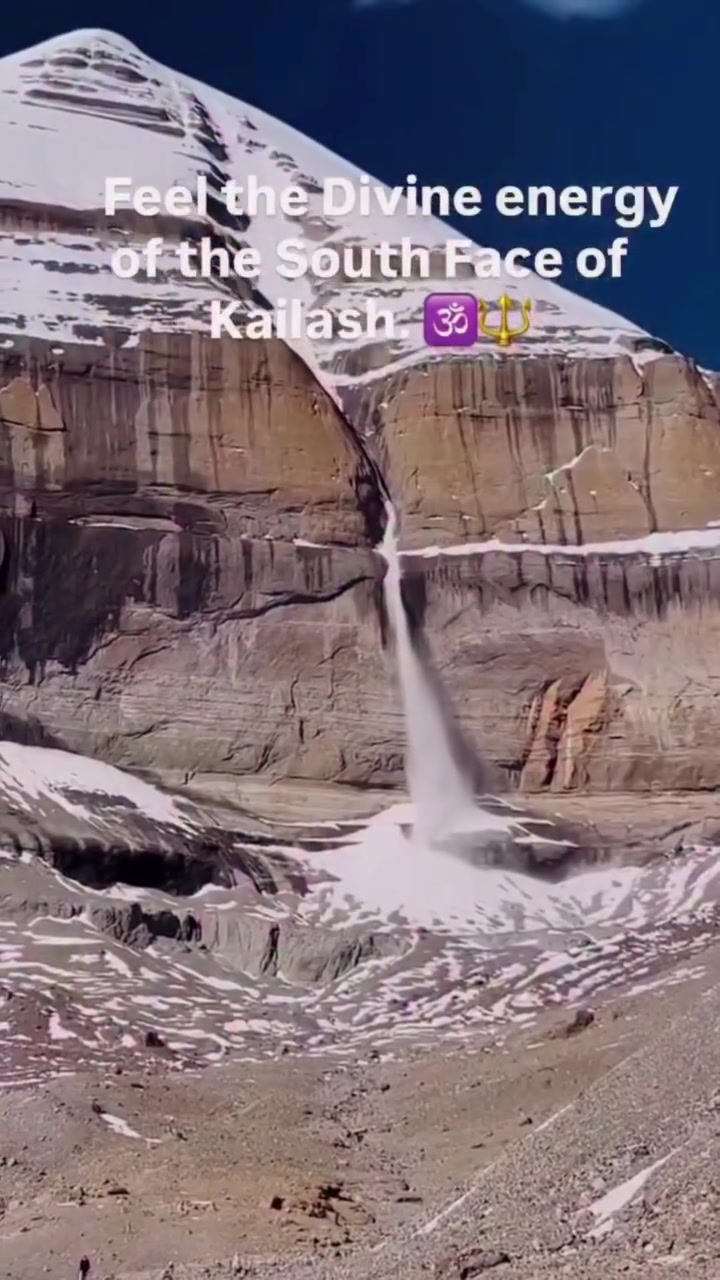
Mount Kailash, located in the Tibetan Himalayas, is one of the most revered pilgrimage destinations in the world. Pilgrims trek around the mountain, an act called kora which encompasses inner and outer paths of different lengths and difficulties. The South Face of Mount Kailash is especially famous for its dramatic landscape—which includes the Ashtapada, a 6,000-meter stretch of steep rock slabs and ridges. Its spiritual significance draws devotees from various faiths, including Buddhism, Hinduism, Jainism, and Bon.
The Treacherous, Yet Sacred Circle of Kailas
The trek around Mount Kailash is known as the Kailash Kora. The full journey is 52 kilometres but the route around the permafrost at Ashtapada (the South Face) barely covers 15 kilometres. Pilgrims on Ashtapada, known as the path where Adinath, the first Jain Tirthankar, is believed to have achieved liberation. While the entire kora may take three days, climbing the 3-4 kilometre South Face takes hours. The pilgrims walk barefoot, step by step on the rocky terrain, while some literally crawl nearing the peak. Many pilgrims do not complete the pilgrimage, deferring it to a future visit. There are also some who find it extremely difficult and give up midway. The South Face is the most challenging part of the trek due to its steep and icy slopes, often without any trail. Pilgrims must navigate around ice chunks and boulders that can cause the path to become confusing. It can take several hours to climb and, due to the risk of landslides, it requires precise navigation and safety precautions.
The Cosmic Dance between Landscape and Culture
Mount Kailash holds a significant place in the cultural and spiritual narratives of multiple religions. In Buddhism, the mountain is revered as the residence of the Bodhisattva Avalokiteshvara. According to Hindu tradition, the mountain is the earthly manifestation of the mythical Mount Meru, the abode of the gods. For Jainism, it is the site where Adinath, the first Tirthankara, attained liberation. The Bon religion, predating Buddhism in Tibet, also considers Mount Kailash a sacred site. The interconnectedness of these beliefs has led to a diverse mix of pilgrims who often overlaps with the same spiritual quests, despite following different religious traditions.
Crossing Thousand Kilometers for the Kailash Trek
The Path of Penance
The Mount Kailash trek is a grueling 52 km journey that demands both physical and spiritual endurance from pilgrims. The full route around the mountain sees pilgrims navigating rugged terrain, crossing suspension bridges, and enduring high-altitude conditions. The journey can take three days, but it is often done as a spiritual experience of penance, and even more than that, a rite of passage for many. The trek is a journey of spiritual enlightenment and a pathway to inner peace. The path is open to pilgrims, but due to its remoteness, weather conditions, and lack of amenities, it's arduous. The journey begins from Deraphuk, near Lake Mansarovar. The trail is dotted with boulders, ice, and snow, especially along the South Face section, which is considered the most challenging. There are several rest points and shelters along the route, where pilgrims can rest and seek help. But still, the trek requires a high level of physical fitness and determination, as conditions are unpredictable and harsh.
The Blazing Spotlight on the South Face
The finale of the Kailash trek is a particularly challenging section of the Ashtapada on the South Face. This stretch is characterised by its steep, treacherous terrain covered with large rocks and perilous ice. The trail is steep, winding, and often covered in ice, creating a dangerous and slippery surface. The South Face is particularly challenging because the path is narrow, and the altitude adds to the difficulty. The trail is strewn with debris from landslides, and it generally is not well-marked. Summer is the best time to complete the pilgrimage around the South Face. The trail is relatively safer when snowfall is reduced.
Comfortably Amid Chaos
Despite the hardship, the pilgrims' survival and comfort are facilitated to some extent by the presence of various amenities along the trail. Small tea shops and prayer flags mark the route, providing a sense of spiritual nourishment and physical sustenance. Closer to the South Face, despite the harsh conditions, one can find campgrounds with basic amenities like food and shelter. The Buddhist nuns from the nearby nunneries help the pilgrims along the trek, offering prayerful support, guidance, and assistance.
Who Pilgrims Banter With on the Sacred Path
Many pilgrims flock to Mount Kailash, crossing vast distances and overcoming immense obstacles to attain spiritual enlightenment. The pilgrims from diverse cultures and backgrounds hold similar beliefs and perspectives about the mountain's significance. Devotees from Tibet and India come to the Kailash temple to offer their prayers and seek blessings. The mountain serves as a cultural hub, bringing together individuals from various faiths in a common pursuit. For some, it becomes a lifetime quest that spans decades or even generations — many pilgrims prefer to defer their plans for the trek until they are physically and mentally ready. This journey requires a strong will and determination, and it is a testament to the dedication and faith of those who embark on it.
Embarking on the Kailash Kora
Do not attempt to travel to Mount Kailash without proper preparation. Many pilgrims get lost, injured, or encounter illnesses due to the lack of proper planning. If you are serious about the journey, follow practical precautions that will help you survive the pilgrimage route. The recommended season is summer, from April to late September. The route is dotted with numerous detours, and the climate can sometimes be unpredictable. It is best to check the weather forecast and be prepared accordingly. As a rule of thumb, the weather on the Kailas trek is unpredictable. Wet days are common during the Monsoon season, and snowfalls can occur in varying degrees. You will be rewarded with a memorable spiritual experience, should you survive the journey and respect nature.
Watch the Reel
Questions readers ask
What makes the South Face of Mount Kailash so challenging for pilgrims?
The South Face is notoriously difficult due to its steep and icy slopes, which often lack a clear trail. Pilgrims must navigate around ice chunks and boulders, and the risk of landslides adds to the danger. The climb can take several hours, and the terrain is so rough that many pilgrims struggle to complete it.
Why do pilgrims from different religions visit Mount Kailash?
Mount Kailash holds significant spiritual importance for multiple religions. For Buddhists, it's the residence of the Bodhisattva Avalokiteshvara. Hindus see it as the earthly manifestation of Mount Meru, the abode of the gods. Jains consider it the site of Adinath's liberation, and the Bon religion also reveres it as a sacred site. This shared reverence draws a diverse mix of pilgrims.
Can pilgrims complete the entire Kailash Kora in one go, especially the South Face?
The full Kailash Kora is a 52-kilometer trek that typically takes three days. However, the South Face, covering 3-4 kilometres, is so challenging that it can take hours to climb. Many pilgrims find it extremely difficult and may need to defer completing the pilgrimage to a future visit. Some even give up midway due to the harsh conditions.
What kind of preparations should a pilgrim make before attempting the Kailash Kora?
Due to the remote location, harsh weather conditions, and lack of amenities, pilgrims should be prepared for a grueling journey. This includes physical and spiritual endurance, as well as proper gear for high-altitude trekking. Pilgrims should also be aware of the potential dangers, such as landslides and icy terrain, and have a plan for safety and navigation.
What is the significance of the Ashtapada in the South Face of Mount Kailash?
The Ashtapada is a 6,000-meter stretch of steep rock slabs and ridges on the South Face of Mount Kailash. It is particularly significant for Jains, as it is believed to be the path where Adinath, the first Jain Tirthankar, achieved liberation. Pilgrims walk barefoot or even crawl on this rocky terrain, making it a deeply spiritual and challenging experience.
Recent articles
Fresh deep dives from the latest Reels we unpacked.



Comments
Be the first to comment.