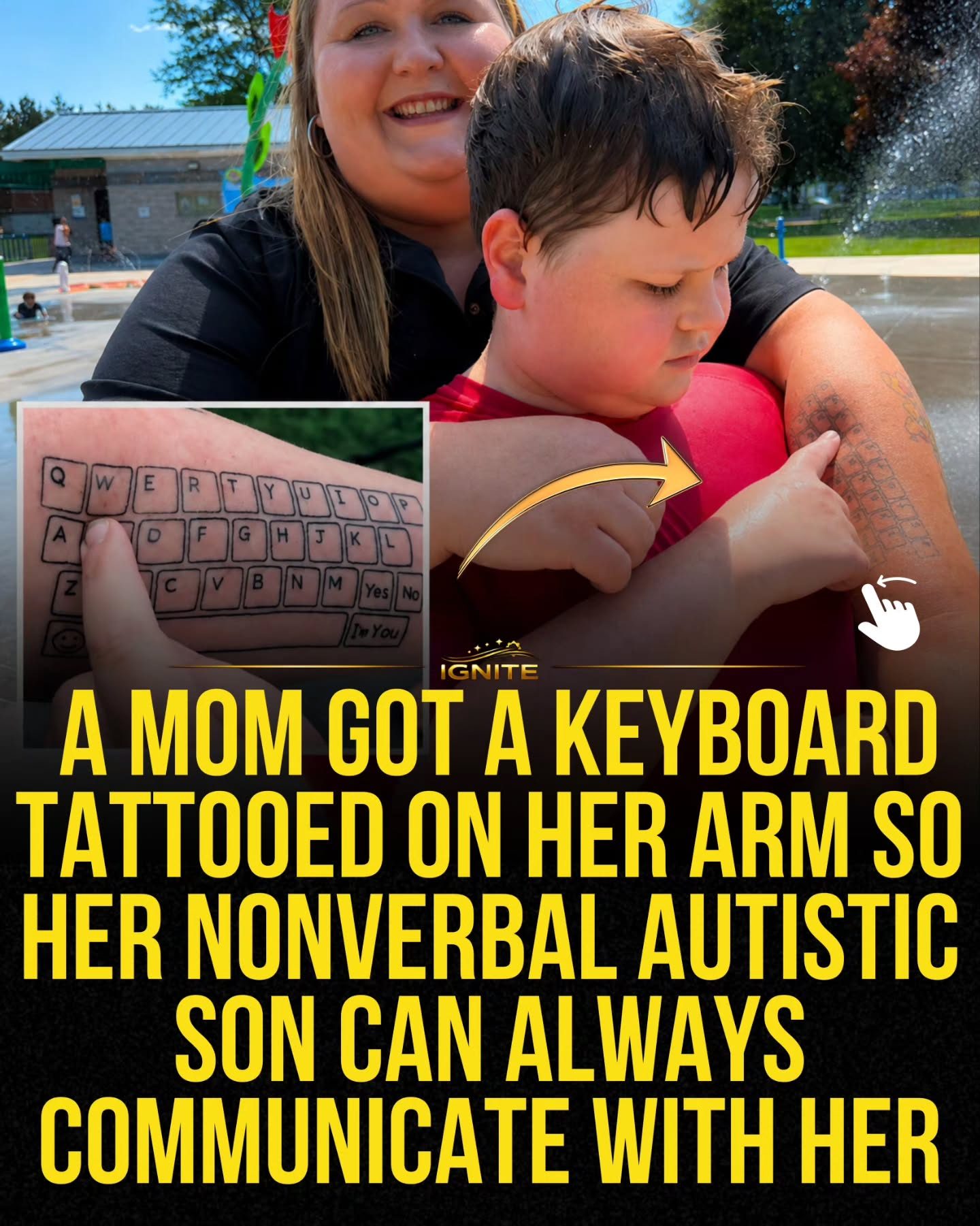
Keyboard Tattoos for Communication
A unique and innovative solution for enhancing communication with nonverbal individuals, especially children with autism, is emerging: keyboard tattoos. These tattoos, designed to resemble a keyboard, provide a visual and tactile means for nonverbal individuals to communicate their needs and feelings.
Context / Why This Matters
Communication is a fundamental aspect of human interaction, and for nonverbal individuals, finding effective ways to express themselves can be challenging. Traditional methods of communication, such as sign language or picture boards, may not always be practical or accessible in every situation. This is where keyboard tattoos come in as a creative and innovative solution. By providing a visual and tactile means of communication, these tattoos can help individuals convey their thoughts and needs more effectively, enhancing their quality of life and fostering better interactions with others.
Innovative Communication
Enhancing Communication with Tangible Solutions
Keyboard tattoos can be designed with specific letters, symbols, or words that are relevant to the individual's daily needs. For example, a mother who got a keyboard tattoo on her arm to help her nonverbal autistic son communicate included essential words like "Yes" and "No." This simple yet powerful tool allows the child to point to the appropriate word on the tattoo, making communication clear and efficient. By making these words visible and accessible on the parent's body, the child can always communicate, regardless of the situation.
Visual and Tactile Cues
The visual and tactile nature of keyboard tattoos makes them an excellent communication aid. The tactile aspect is particularly beneficial for individuals who may find it difficult to interact with traditional communication boards or devices. By having the keyboard tattoo on a part of the body, such as the arm, the individual can constantly access it, making communication more seamless and natural.
Examples of Keyboard Tattoo Designs
Keyboard tattoos can be customized to suit the individual's specific needs. For example, a tattoo that includes a variety of expressions such as "Happy," "Sad," "Hungry," and "Tired" can be incredibly useful. These tattoos can be placed on areas of the body that are easily visible and accessible, ensuring that the individual can communicate their emotions and needs effectively.
Practical Tips
Choosing the Right Placement
When considering a keyboard tattoo, it's essential to choose a location that is easily accessible and visible. The arm is a popular choice, as it allows the individual to point to the desired word or symbol easily. Other areas, such as the forearm or wrist, can also be effective, depending on the individual's comfort and needs.
Incorporating Essential Words and Symbols
When designing the tattoo, focus on incorporating essential words, symbols, or phrases that the individual uses frequently. For example, "Yes," "No," "Hungry," "Tired," and "Happy" are common choices. Depending on the individual's needs, you can also include more specific words or symbols, such as those related to favorite activities or common requests.
Customizing the Design
Customizing the design to suit the individual's preferences and needs can make the tattoo more engaging and effective. Consider the individual's interests and incorporate elements that resonate with them. For example, if the individual loves animals, including small animal icons alongside the words can make the tattoo more appealing.
Involving a Medical Professional
Consulting with a healthcare professional or a specialist in communication aids can provide valuable insights and guidance. They can help assess the individual's specific needs and recommend the best design and placement for the tattoo. This ensures that the tattoo is effective and tailored to the individual's unique requirements.
Important Takeaways
Keyboard tattoos offer a unique and practical solution for enhancing communication with nonverbal individuals, particularly those with autism. By providing a visual and tactile means of communication, these tattoos can significantly improve the quality of life for both the individual and their caregivers. Customizing the design to suit the individual's needs and incorporating essential words and symbols can make the tattoo more effective and engaging. Additionally, involving a medical professional in the design process can ensure that the tattoo meets the individual's specific communication needs.
Conclusion
Keyboard tattoos represent an innovative and practical approach to enhancing communication for nonverbal individuals. By providing a visual and tactile means of expression, these tattoos can significantly improve the quality of life for those who struggle with traditional communication methods. Whether it's a simple "Yes" and "No" or more complex expressions, keyboard tattoos offer a versatile and accessible solution for a wide range of communication needs.
Watch the Reel
Questions readers ask
How do keyboard tattoos assist nonverbal individuals with autism?
Keyboard tattoos help nonverbal individuals with autism by providing a visual and tactile way to communicate. These tattoos feature essential words, symbols, or letters that the individual can point to, allowing them to express their needs, thoughts, and feelings more effectively in various situations.
What are the benefits of using keyboard tattoos for communication?
Keyboard tattoos offer several benefits, including accessibility, portability, and convenience. They are always available on the individual's skin, making them a discreet and constant communication tool that can be used in any setting. This can lead to improved daily interactions and a better quality of life.
Can keyboard tattoos be customized for each individual?
Yes, keyboard tattoos can be tailored to meet the specific needs of each individual. The tattoos can include a unique set of words, symbols, or letters that are most relevant to the person's daily life and communication requirements. This customization ensures that the communication tool is both practical and effective.
How can a mother's keyboard tattoo help her nonverbal autistic son?
A mother's keyboard tattoo can serve as a visual prompt and communication aid for her nonverbal autistic son. By having the tattoo visible, the mother can draw the son's attention to specific words or symbols, helping him to understand and use them to communicate more effectively. This shared tool can foster a stronger bond and improve overall communication.
What are some alternatives to keyboard tattoos for nonverbal communication?
While keyboard tattoos are a novel solution, there are other communication tools available, such as picture exchange communication systems (PECS), sign language, and speech-generating devices. However, these may not always be practical or accessible in every situation, which is where the convenience of keyboard tattoos shines.
Are keyboard tattoos suitable for all ages and abilities?
Keyboard tattoos can be beneficial for individuals of various ages and abilities, particularly those with autism who are nonverbal. They can be especially helpful for children, as they provide a playful and interactive way to learn and practice communication skills. However, it's essential to consider each individual's unique needs and preferences.
Related deep dives
Similar reads based on topic and creator.




Recent articles
Fresh deep dives from the latest Reels we unpacked.




Comments
Be the first to comment.