Moss: An Essential Tool for Climate Resilience in Urban Environments
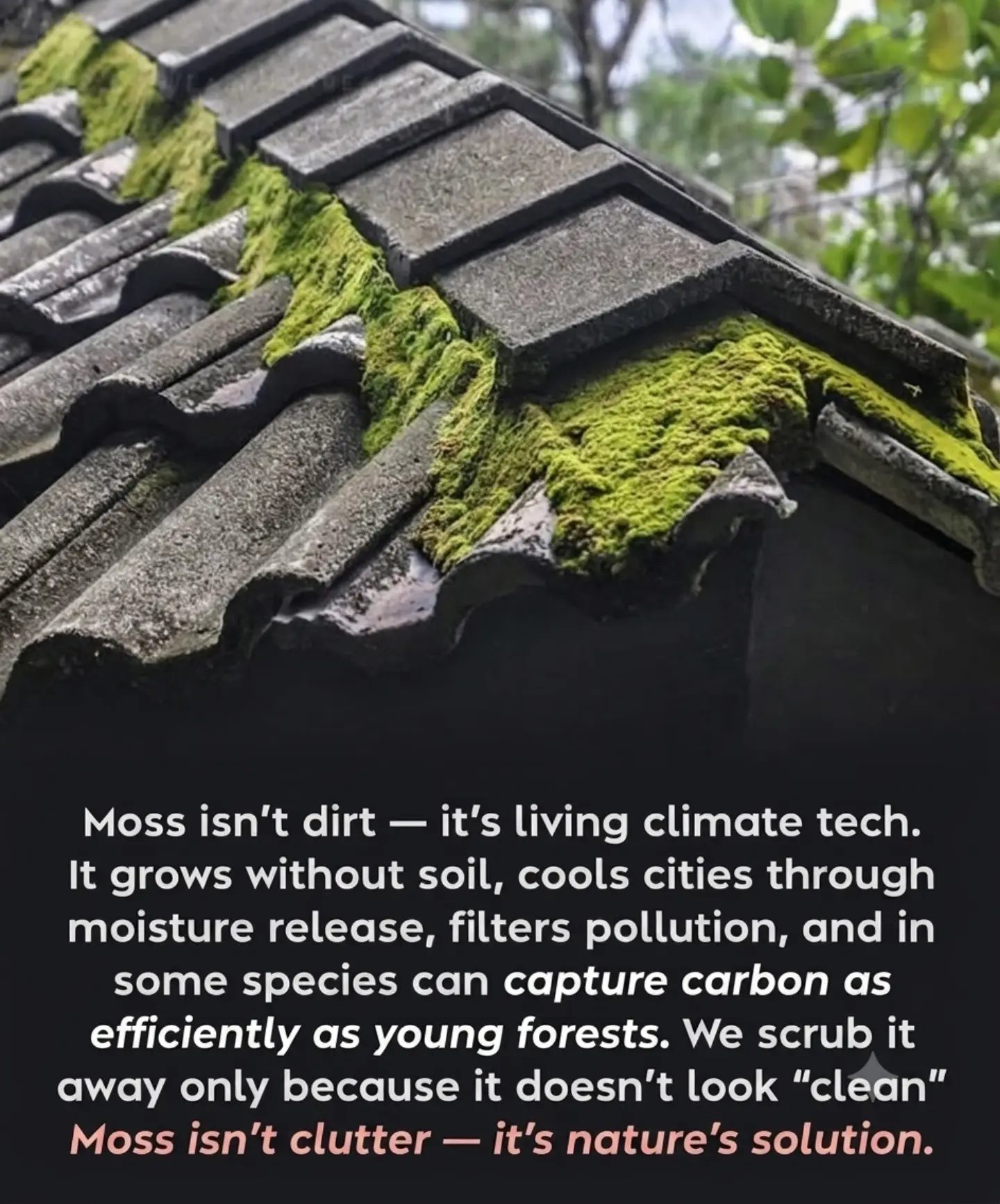
Moss, often overlooked as a mere nuisance, is a resilient and vital component of urban and natural ecosystems. This unassuming plant, which thrives without traditional root systems or soil, acts as living infrastructure, offering numerous benefits to cities and the environment. These benefits include cooling, pollution mitigation, and carbon absorption. Let's explore what makes moss a valuable ally in the fight against climate change and urban pollution.
Why Moss Matters
Moss is a hardy, non-vascular plant that absorbs moisture and nutrients directly from the air. This unique ability allows it to colonize various surfaces, including stone, brick, and concrete tiles on rooftops. This characteristic makes moss particularly valuable in urban environments, where it can thrive in spaces that might seem inhospitable to other plants.
Moss contributes to urban climate resilience through various mechanisms. It helps mitigate the urban heat island effect by cooling surrounding areas through evapotranspiration, reducing the need for energy-intensive air conditioning. Additionally, moss acts as a natural filter, trapping airborne pollutants and absorbing carbon dioxide.
Moss as a Climate Technology
Urban Heat Island Mitigation
Urban heat islands occur when buildings, roads, and other infrastructure absorb and retain heat, making cities significantly warmer than their rural surroundings. Moss helps counteract this effect by retaining substantial volumes of water and releasing it through evapotranspiration. This process cools the immediate environment, making moss a natural and effective tool for urban cooling.
Air Pollution Filtration
Moss is also an effective particulate filter, trapping airborne pollutants and improving air quality. Some species can capture carbon as efficiently as young forests, making moss a valuable carbon sequestration tool. By absorbing carbon dioxide, moss helps reduce the carbon footprint of urban areas, contributing to a healthier environment.
Carbon Sequestration
Certain moss species exhibit exceptional carbon sequestration efficiencies, rivaling or even exceeding those of young forest canopies. This makes moss an invaluable asset in the fight against climate change. By incorporating moss into urban landscapes, cities can enhance their carbon capture capabilities, reducing the overall carbon footprint.
Aesthetic Considerations
Despite these benefits, moss is often removed from urban environments due to aesthetic preferences. The notion of what constitutes a "clean" or "tidy" landscape often overlooks the ecological value of moss. This tendency to prioritize appearance over ecological benefits can be detrimental to the environment, as it negates the positive contributions that moss makes to air quality, cooling, and carbon sequestration. To fully appreciate the value of moss, it's essential to shift our perceptions and recognize it as a vital component of urban ecosystems.
Practical Tips for Utilizing Moss in Urban Environments
Integrating moss into urban landscapes can be straightforward and impactful. Here are some practical tips for making the most of moss in cities:
-
Roof Gardens and Green Roofs: Incorporate moss into roof gardens and green roofs. Moss can grow on various surfaces, making it an ideal choice for urban rooftops. This can help cool buildings, reduce energy consumption, and improve air quality.
-
Green Walls: Create green walls or vertical gardens with moss. These installations can help purify the air, reduce urban heat island effects, and enhance the aesthetic appeal of urban spaces. Moss walls are particularly effective in areas with high pollution levels.
-
Moss Graffiti and Art: Encourage the use of moss in urban art projects. Moss graffiti and art installations can make cities more visually appealing while promoting the ecological benefits of moss.
-
Preserve Existing Moss: When possible, preserve existing moss in urban environments. This can be done by minimizing the use of herbicides and pesticides, which can harm moss and other vegetation.
-
Community Education: Raise awareness about the ecological benefits of moss through educational programs and community initiatives. Encourage residents and urban planners to recognize the value of moss and integrate it into city planning and maintenance practices.
-
Sustainable Landscaping: Promote sustainable landscaping practices that incorporate moss. This can include the use of moss walkways, moss-covered benches, and moss-rich gardens in public spaces.
Important Takeaways
Environmental Impact
Moss plays a crucial role in cooling cities, filtering pollution, and capturing carbon. By embracing moss as a valuable component of urban ecosystems, we can enhance the environmental health of cities and mitigate the impacts of climate change.
Aesthetic Considerations
Changing our perceptions of what constitutes a "clean" or "tidy" urban landscape is essential for maximizing the benefits of moss. Recognizing moss as a natural and beneficial part of urban environments can lead to more sustainable and resilient cities.
Integration into Urban Planning
Incorporating moss into urban planning and maintenance practices can significantly enhance the ecological resilience of cities. From roof gardens to green walls, there are numerous ways to integrate moss into urban landscapes and reap its benefits.
Conclusion
Moss is more than just a nuisance or an unsightly addition to urban landscapes. It is a resilient and valuable component of urban ecosystems, offering numerous benefits, including cooling, pollution mitigation, and carbon sequestration. By embracing moss and integrating it into urban planning and maintenance practices, we can create more sustainable, resilient, and eco-friendly cities. The next time you see moss growing on a roof or a wall, recognize it for what it is: a vital, living infrastructure that contributes to a healthier and more livable urban environment.
Watch the Reel
Questions readers ask
How does moss contribute to urban cooling?
Moss aids in urban cooling by absorbing heat and moisture from the air. The photosynthesis process allows moss to release water vapor, which cools the surrounding environment. This makes moss an effective natural solution to counteract the urban heat island effect, where cities are significantly warmer than their rural surroundings.
What types of surfaces can moss grow on in urban areas?
Moss can colonize a variety of surfaces in urban environments, including stone, brick, and concrete. This adaptability makes it easy to integrate moss into existing urban infrastructure, such as walls, pavements, and rooftops, where it can provide cooling benefits and improve air quality.
How does moss help in mitigating air pollutants in cities?
Moss acts as a natural air filter, trapping and absorbing pollutants such as nitrogen dioxide, sulfur dioxide and particulate matter. By doing so, moss helps to clean the air and reduce the presence of harmful substances that contribute to respiratory issues and other health problems in urban populations.
What are the benefits of using moss on rooftops for urban cooling?
Moss on rooftops can help cool buildings and the surrounding air. Moss insulation helps to reduce the energy required for cooling buildings. Additionally, moss roofs can absorb carbon dioxide and release oxygen, contributing to cleaner air and helping with climate change mitigation.
Which moss species are best suited for urban environments?
Several moss species thrive in urban conditions, including Reindeer Moss, Irish Moss, and Sheet Moss. These species are known for their hardiness and ability to tolerate varying levels of light, moisture, and air pollution. Different species can be chosen based on the specific conditions and needs of the urban area.
How can city planners integrate moss into urban design?
City planners can integrate moss into urban design by incorporating moss walls, green roofs, and moss-covered pavements. These features not only enhance the aesthetic appeal of urban spaces but also provide practical benefits such as improved air quality, reduced noise pollution, and enhanced biodiversity.
What are living roofs and how does moss benefit them?
Living roofs, also known as green roofs, are rooftops covered with vegetation. Moss can be an excellent choice for living roofs, as it requires minimal maintenance and can thrive in shallow soil or even without soil. Moss roofs can help regulate building temperatures, absorb rainwater, and provide habitats for various species, contributing to the overall health and sustainability of urban ecosystems.
Recent articles
Fresh deep dives from the latest Reels we unpacked.




Comments
Be the first to comment.