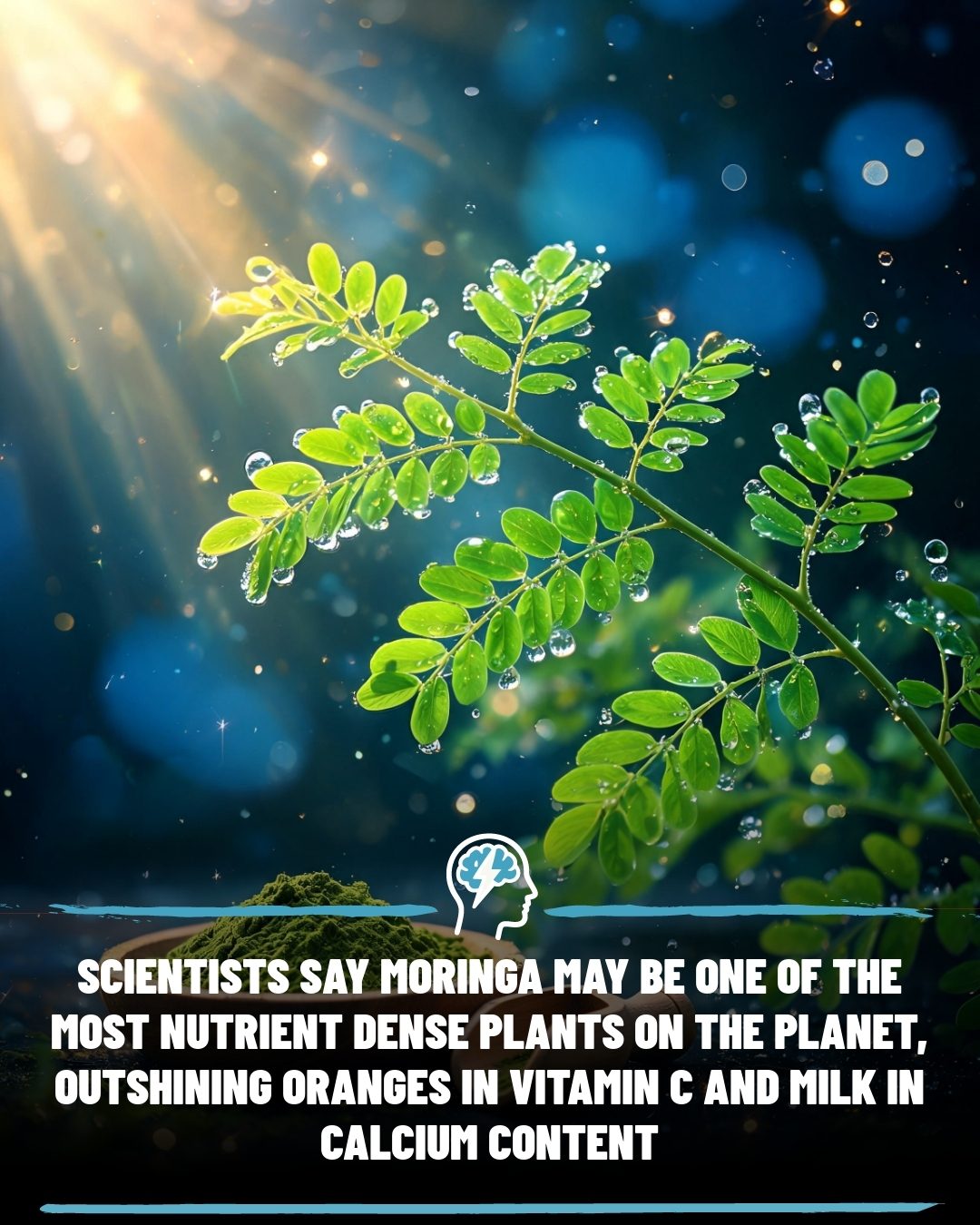
Moringa: The Powerhouse Plant
Moringa, often dubbed the "miracle tree," is far more than just a trendy superfood. It's a nutritional powerhouse with a range of benefits that make it a valuable addition to any diet. Let's explore what makes Moringa oleifera so remarkable.
Why Moringa Matters
Moringa's significance extends beyond its nutritional profile. This plant is highly adaptable and sustainable, making it a crucial tool in fighting malnutrition, especially in developing nations. It thrives in poor soil conditions and requires minimal water, making it an excellent choice for regions with harsh climates. Every part of the tree—from leaves and pods to roots and seeds—can be used for food or medicinal purposes, maximizing its utility.
Nutritional Powerhouse
Vitamins and Minerals
Moringa is packed with essential vitamins and minerals. Here are some standout comparisons:
- Vitamin C: Moringa leaves contain seven times the vitamin C found in oranges. Vitamin C is crucial for immune function, collagen production, and iron absorption.
- Calcium: With 17 times the calcium content of milk, Moringa is an excellent source of this essential mineral, which is vital for bone health and muscle function.
- Protein: Moringa boasts nine times the protein of yogurt and offers a rare complete plant-based protein, which means it contains all the essential amino acids your body needs.
- Iron: With 25 times the iron content of spinach, Moringa can help prevent iron-deficiency anemia, a common nutritional deficiency.
- Potassium: Moringa has 15 times the potassium content of bananas, aiding in heart health, muscle function, and maintaining healthy blood pressure.
Antioxidants and Anti-Inflammatory Properties
Moringa is rich in antioxidants, which help combat oxidative stress and inflammation in the body. Key compounds like quercetin and chlorogenic acid may also assist in regulating blood sugar and blood pressure levels. Regular consumption of Moringa can provide steady energy release, avoiding the jitters associated with caffeine.
Versatile Uses
Incorporating Moringa into your diet is simple. You can:
- Smoothies: Whisk Moringa powder into your favorite smoothie recipes for an extra nutritional boost.
- Soups and Stews: Stir Moringa powder into soups and stews to enhance their nutritional value.
- Tea: Brew Moringa leaves as a tea for a soothing and nourishing beverage.
Practical Tips for Using Moringa
Preparing Moringa Leaves
Fresh Moringa leaves can be added to salads, sautéed, or used in stir-fries. Dried leaves can be ground into a powder for easier incorporation into various dishes.
Storage
Store Moringa leaves or powder in an airtight container in a cool, dark place to preserve their nutritional value.
Dosage
While Moringa is generally safe, it's essential to start with small amounts to assess your tolerance. Gradually increase your intake as needed.
Important Takeaways
- Moringa is one of the most nutrient-dense plants, surpassing many common foods in essential vitamins and minerals.
- Its adaptability and sustainability make it a valuable tool in combating malnutrition.
- Incorporating Moringa into your diet is simple and can be done in various ways, from smoothies to teas.
Conclusion
Moringa oleifera is more than just a trendy superfood; it's a nutritional powerhouse with a range of health benefits and practical applications. Whether you're looking to boost your vitamin and mineral intake, fight inflammation, or support overall health, Moringa is a versatile and valuable addition to any diet. Its sustainability and adaptability further enhance its appeal, making it a true "miracle tree."
Watch the Reel
Questions readers ask
What are the key nutrients found in moringa leaves?
Moringa leaves are rich in essential vitamins (A, B, C, and K), minerals (like calcium and potassium), and protein. They also contain antioxidants that help combat oxidative stress in the body. Consuming moringa leaves is a great way to boost your daily nutritional intake, especially for those seeking a plant-based source of protein and calcium.
How does moringa help in fighting malnutrition, specifically in developing nations?
Moringa thrives in poor soil and requires minimal water, making it an excellent crop for harsh climates. Its adaptability and sustainability help ensure a steady food supply, even in nutritionally deficient regions. As a nutritional powerhouse, moringa can significantly contribute to balanced diets, helping to combat malnourishment.
What are some uses of moringa beyond its nutritional content?
The moringa tree is versatile, with each part serving various purposes. Moringa leaves can be dried and powdered for tea or supplements; the pods can be cooked as vegetables; the seeds can be used for oil extraction and water purification; and the roots and bark have medicinal properties. Additionally, moringa can be used as a natural milk and yogurt substitute.
Can moringa help manage blood sugar levels?
Some studies suggest that moringa may help regulate blood sugar levels, making it beneficial for those with or at risk of diabetes. This is attributed to its antioxidant and anti-inflammatory properties, which can improve insulin sensitivity and reduce fasting blood sugar levels.
Is moringa suitable for green smoothies and other dishes?
Yes, moringa leaves are a popular ingredient in green smoothies due to their mild flavor and high nutritional content. They can also be added to salads, soups, and stews. Moringa powder, derived from dried leaves, can be mixed into yogurt, oatmeal, or baked goods for an extra nutritional boost.
What is moringa milk, and how is it made?
Moringa milk is a plant-based milk alternative made from soaking and blending moringa seeds. The mixture is then strained to remove any solids, resulting in a creamy, nutrient-rich milk that can be used as a dairy substitute in various recipes. It is a good source of vitamins, minerals, and healthy fats.
Can moringa be used as a natural remedy?
Yes, moringa has been used traditionally for its medicinal properties. It can be used to treat minor ailments, such as stomach upset, high blood pressure, and skin conditions. However, it's important to consult with a healthcare professional before using moringa as a remedy, as it may interact with certain medications or be unsuitable for individuals with specific health conditions.
Related deep dives
Similar reads based on topic and creator.



Recent articles
Fresh deep dives from the latest Reels we unpacked.




Comments
Be the first to comment.